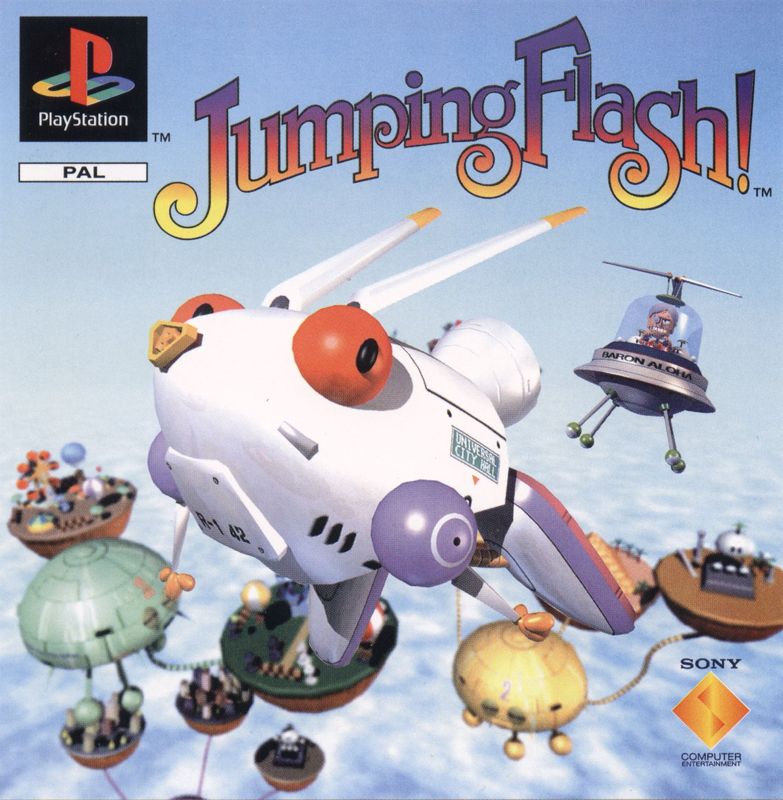
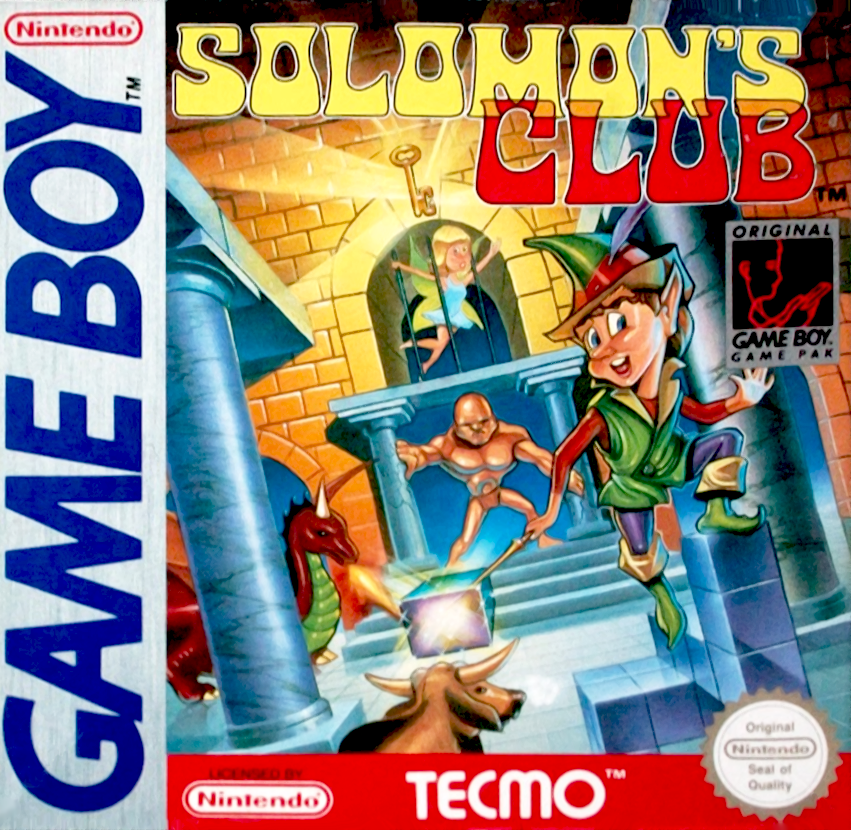
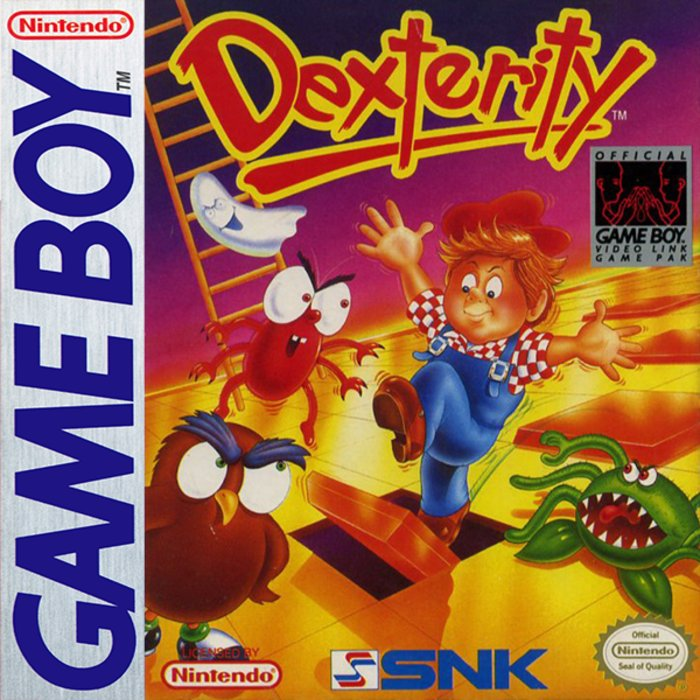
In Game Boy titles like Dexterity and Solomon's Club, collecting the Hourglass grants the player extra time to complete puzzle-filled stages. In action-adventure games such as Ultima: Runes of Virtue II, it serves as a tool to temporarily freeze enemies in place, while in 3 Ninjas Kick Back and Jumping Flash!, it directly replenishes the level's countdown timer.
During the late 1980s and early 1990s, developers utilized this iconic timekeeping symbol to balance challenging level designs across various platforms. In the Game Boy puzzle game
Dexterity, developed by Mitchell Corporation, players must strategically clear tiles, making the item crucial for sustaining high-score runs. For Tecmo's
Solomon's Club, a portable spin-off of the
Solomon's Key franchise, the item is integrated into the game's shop system, allowing players to purchase it using fire power-ups or locate it hidden within destructible blocks.
As gaming transitioned into the 16-bit and 32-bit eras, the item adapted to different genres. In the action-RPG spin-off
Ultima: Runes of Virtue II, the object functions as a rare, collectible relic hidden deep within the caverns of Britannia. For the movie tie-in
3 Ninjas Kick Back, the item is placed in precarious platforming sections to reward risky exploration. In the early 3D platformer
Jumping Flash!, the item appears as a rotating three-dimensional model, guiding players through expansive vertical environments. This progression showcases how a simple visual metaphor evolved from a basic 2D sprite into a fully realized 3D asset.
.png)
 (Beta) (1993-07-30).png)



.png)

 (Beta) (1993-07-30).png)