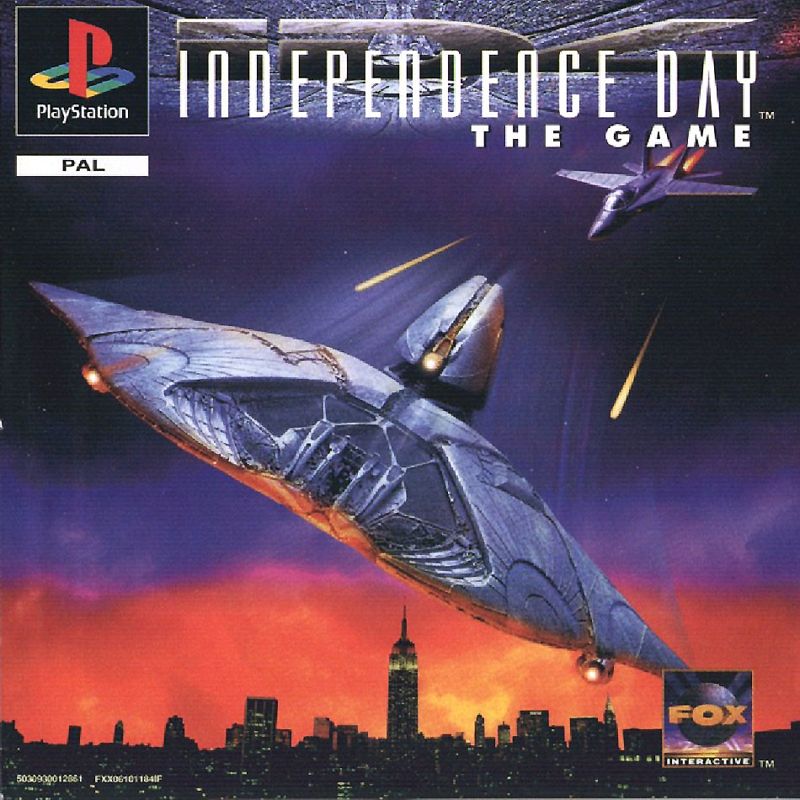
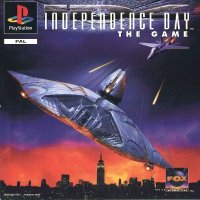
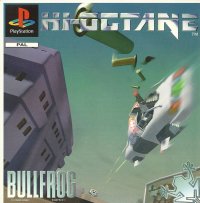
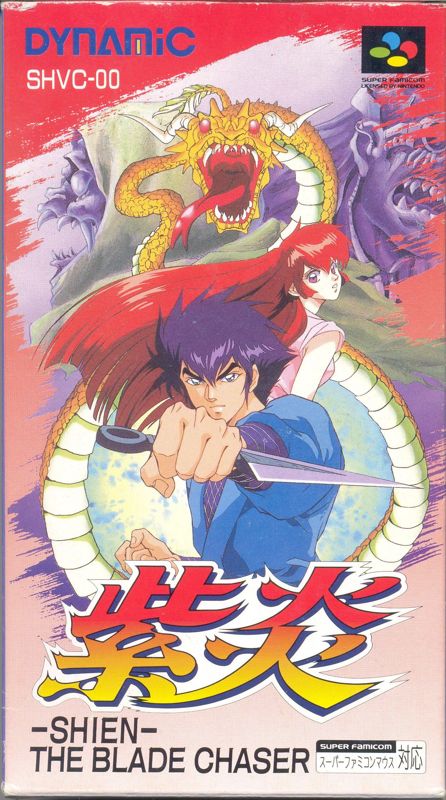
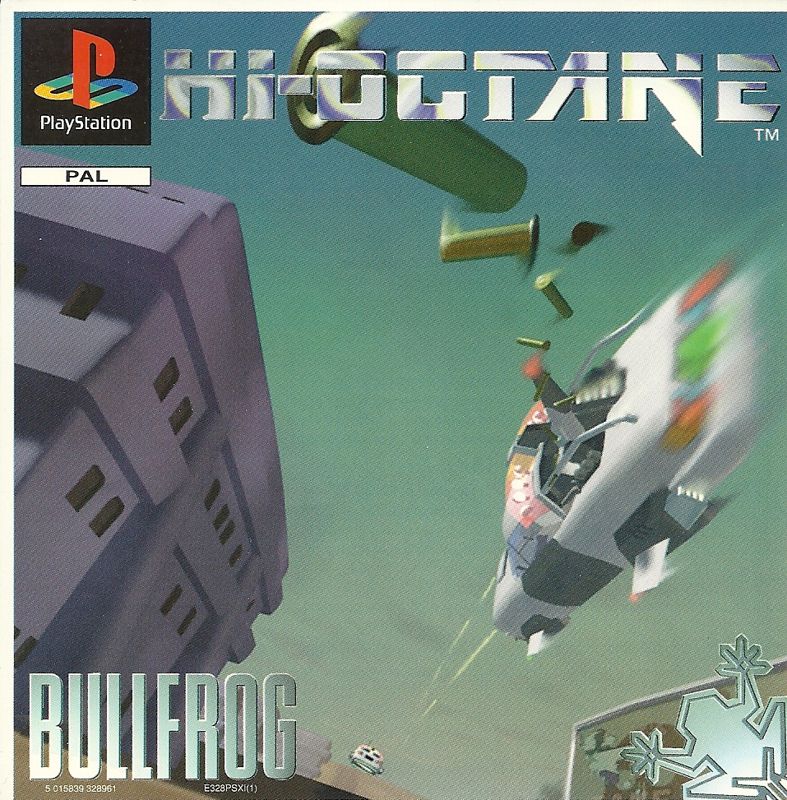
In games like Looney Tunes (1992) and Super Widget (1993), this power-up allows players to bypass obstacles and enemies unharmed for a limited duration. It serves as a crucial survival mechanic in action-heavy titles such as Bram Stoker's Dracula (1993), Shien's Revenge (1994), and Superman (1997). In vehicular and flight-based games like Hi-Octane and Independence Day, it temporarily protects the player's craft from heavy enemy fire.
The implementation of this mechanic across the
Looney Tunes and
Micro Machines intellectual properties highlights a period of rapid genre experimentation in the 1990s. In the Game Boy release
Looney Tunes, the item manifests as a classic cartoon-style shield, allowing characters like Daffy Duck to maintain momentum through hazard-filled stages. This design philosophy carried over to
Super Back to the Future Part II, where Marty McFly utilizes the temporary state to navigate complex platforming layouts without losing his hoverboard.
As the mechanic transitioned into 3D environments, its visual representation evolved. In the Nintendo 64 release
Superman, the power-up is depicted as a glowing aura, reflecting the protagonist's comic book origins while balancing difficult ring-flying segments. Similarly, the futuristic racing title
Hi-Octane and the sci-fi shooter
Independence Day integrated the item as a tactical pickup, requiring strategic activation during high-speed bottlenecks. In
Super Widget,
Shien's Revenge, and
Bram Stoker's Dracula, the item serves as a reward for exploration, encouraging players to seek out hidden areas to secure temporary immunity before challenging difficult boss encounters.




.png)


.png)
.png)
.png)

.png)
.png)
.png)
.png)
.png)
.png)