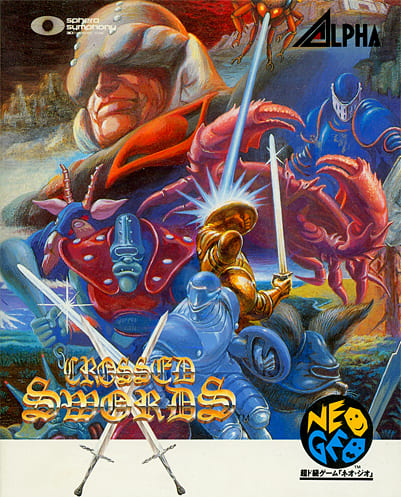
In the Crossed Swords franchise and Top Hunter, Jewels are collected as currency or point-scoring items to aid the player's progress. In RPGs such as Beyond the Beyond and Dragon Valor, they serve as vital accessories, key items, or enhancement gems used to upgrade weapons and magic. Players typically acquire them by defeating enemies, opening chests, or destroying environmental obstacles.
Within the arcade-focused titles of the franchise, the implementation of these items reflects the era's design trends. In
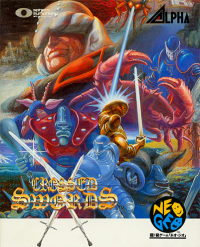
Crossed Swords (1993), jewels dictate the player's purchasing power, appearing in various colors that denote different values, which must be strategically managed to afford high-tier weaponry before boss encounters.
Top Hunter (1994) integrates them into its multi-plane platforming, placing them in hidden areas to reward thorough exploration and maximize score multipliers.
As the franchise transitioned into home console role-playing games, the item evolved from a simple collectible into a narrative and mechanical anchor.
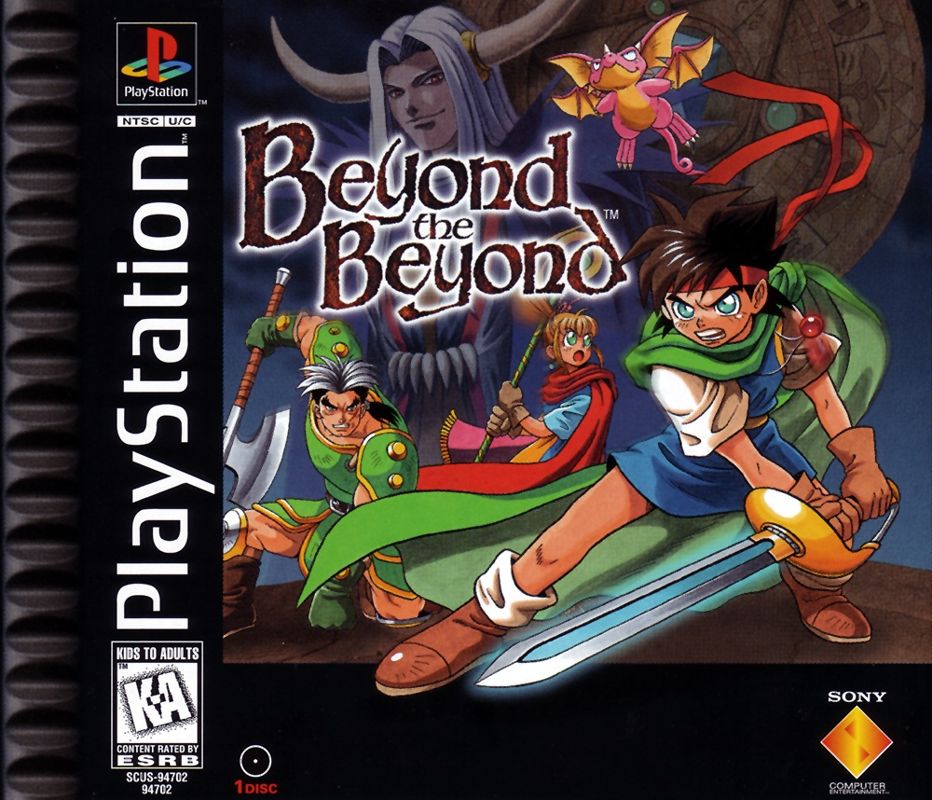
Beyond the Beyond (1996) elevates the jewel to a key progression tool, requiring players to locate specific elemental variants to solve dungeon puzzles and bypass environmental barriers. By the release of
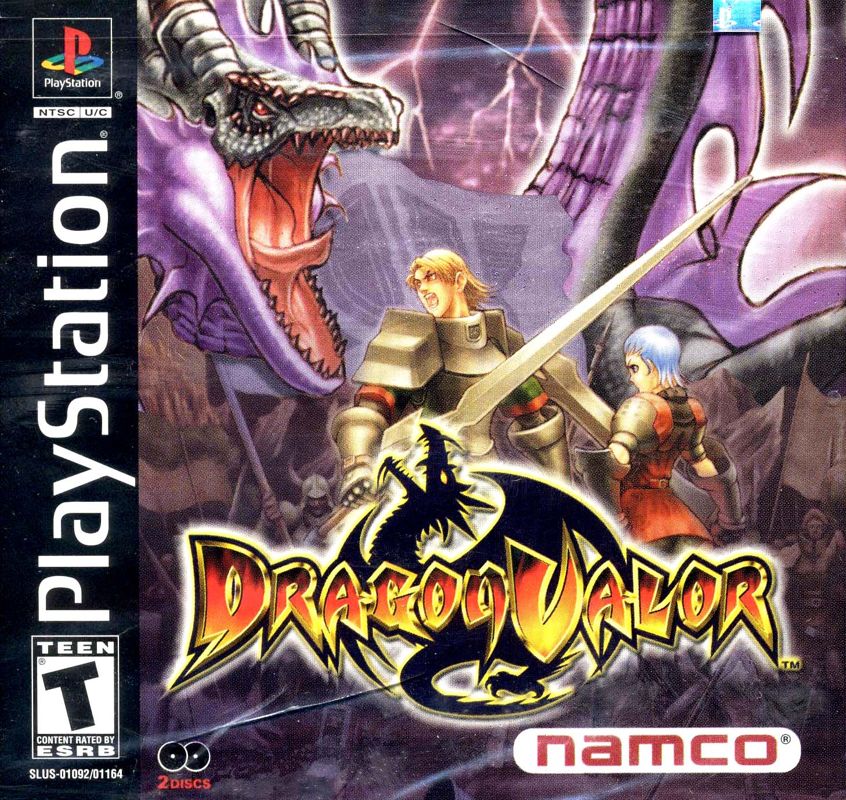
Dragon Valor (2000), the system reached its peak complexity. Here, jewels are tied directly to the game's generational progression system, where the distribution of collected gems determines the combat style and magical capabilities of the protagonist's descendants, cementing the item's legacy as a versatile tool across different genres.