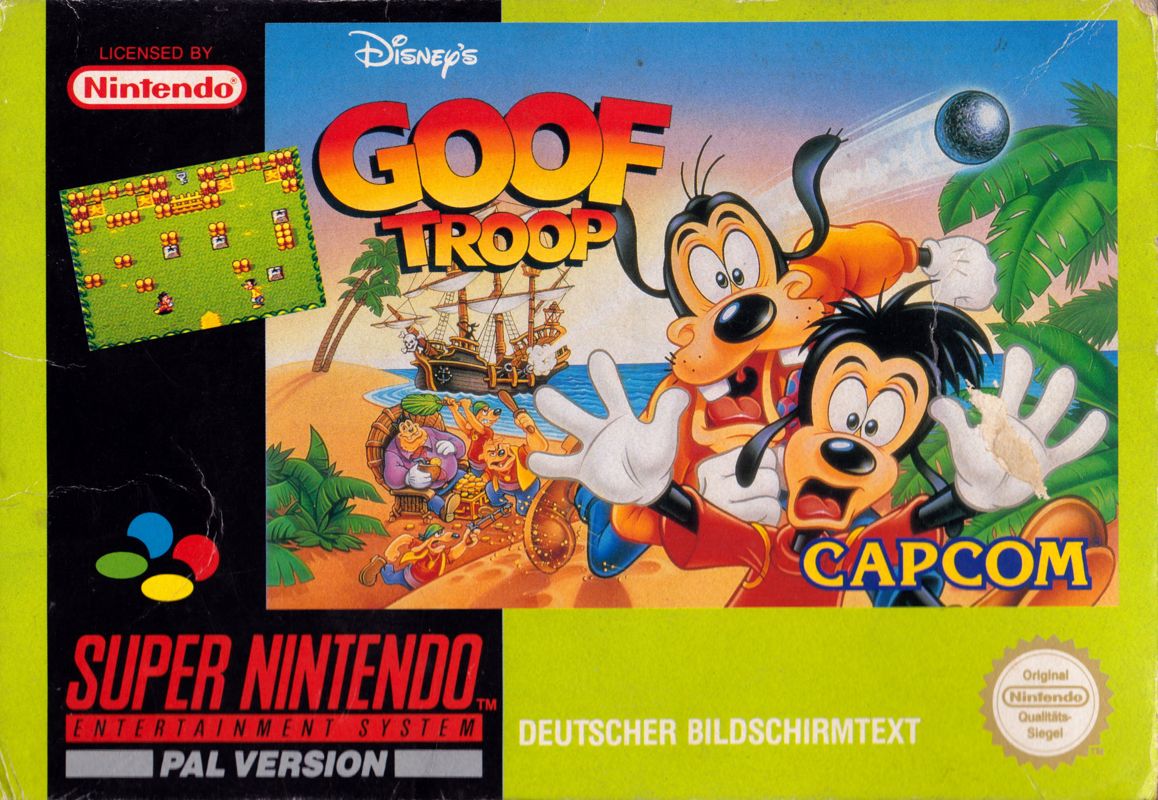
In the Atari 2600 game Adventure (1979), colored keys are used to unlock castles of matching colors. In Gauntlet II (1991), players collect keys to open doors and navigate maze-like dungeons. In Goof Troop (1993), keys are essential puzzle-solving items used to unlock gates and advance through the island.
The concept of keys as progression blockers evolved rapidly across early home console and arcade releases. In the Atari 2600 releases
Adventure [Tele Games] (1979) and
Adventure [Text Label] (1980), keys established the foundational "lock-and-key" mechanic of adventure gaming. This design element was adapted across various genres, including the Game Boy port of
Dig Dug (1992), where keys were introduced to unlock the exit door of each stage. In the platformer
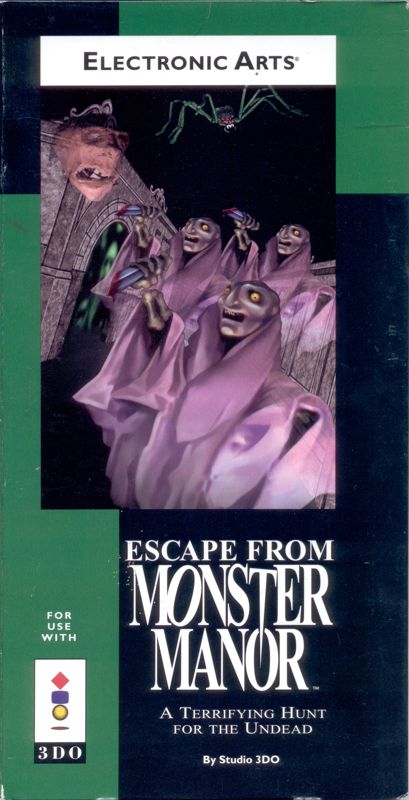
Avenging Spirit (1992), players must locate hidden keys to rescue the protagonist's girlfriend and secure the optimal ending. Similarly, the 3DO first-person shooter
Escape from Monster Manor (1993) requires players to search maze-like levels for brass keys to unlock the exit to the next floor.
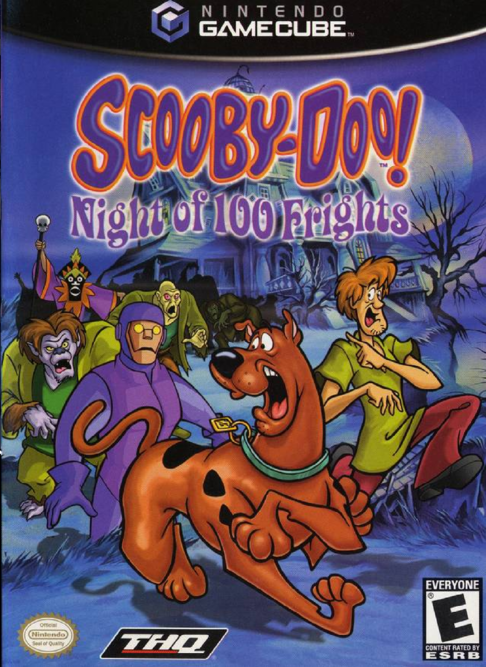
These early iterations established the mechanical foundation for key-based progression within major franchises. In
Scooby-Doo! Night of 100 Frights,
Crash: Mind over Mutant, and
Beyond Good & Evil, keys and keycards serve as primary tools for bypassing environmental barriers, gating content, and structuring player exploration.









.png)
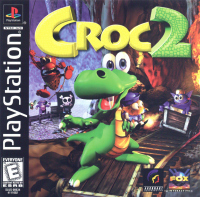

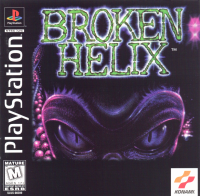
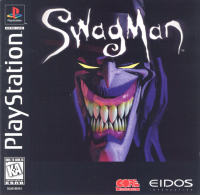




.png)
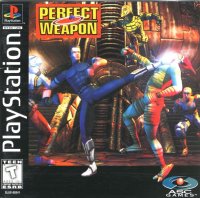
.png)
.png)
.png)
 (En,Fr,De).png)
.png)
.png)
 (Unl).png)


_1.jpg)

.png)
.png)
.png)
.png)

.png)

.png)
 (Unl).png)
 (En,Fr,De).png)
.png)
_1.jpg)