In the action-platformers Super Castlevania IV and Castlevania Chronicles, the Money Bag appears as a classic destructible-drop item that increases the player's score. Similarly, in the beat-'em-up Final Fight 2, money bags are hidden inside breakable objects as point-boosting treasures. Across both the Castlevania and Final Fight franchises, these items serve as a primary means to achieve high scores.
The money bag design originates from the earliest entries of Konami's gothic series, dating back to the 1986 debut of
Castlevania. In
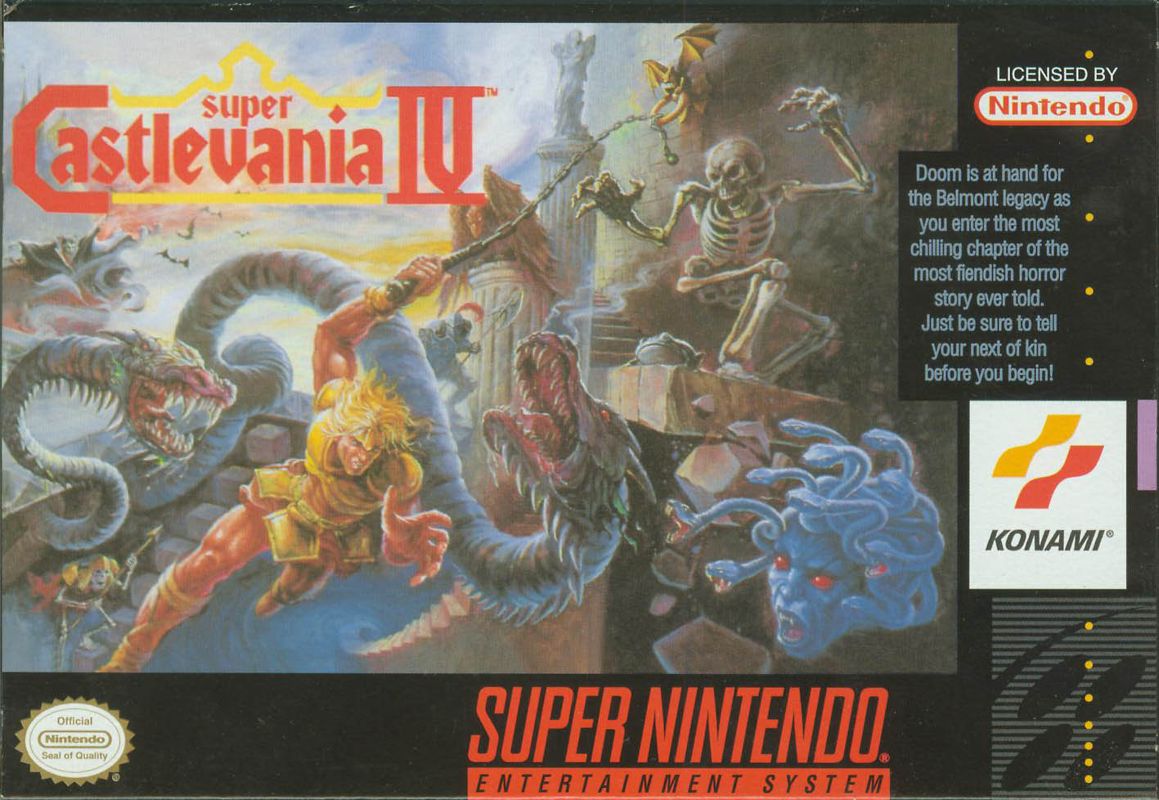
Super Castlevania IV, the developers expanded on this legacy by utilizing the Super Nintendo's enhanced color palette to color-code the bags, with red, blue, and purple variants denoting different point values.
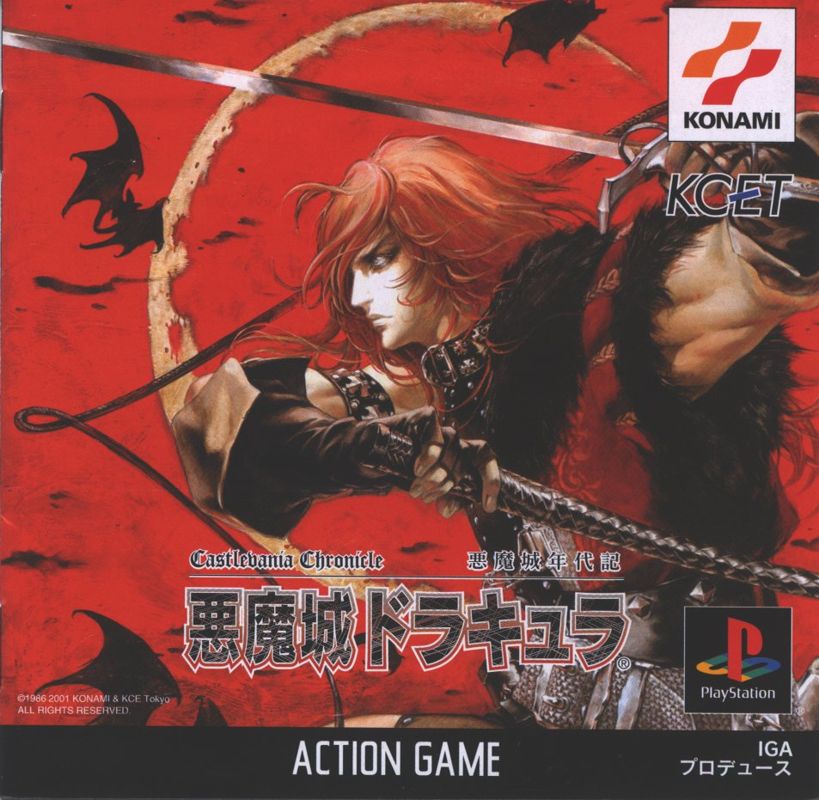
Castlevania Chronicles later preserved this classic scoring mechanic, bridging the gap between the original Sharp X68000 release and its subsequent PlayStation port.
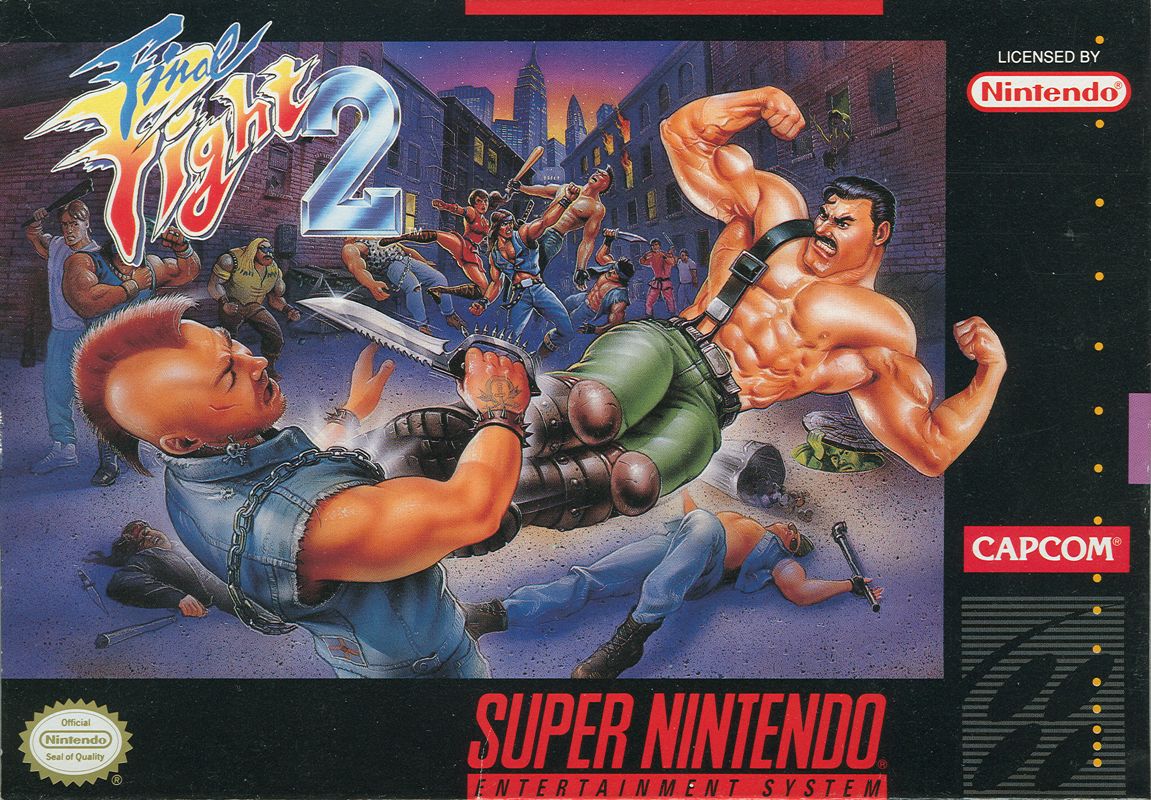
Within Capcom's beat-'em-up lineage, the inclusion of the money bag in
Final Fight 2 reflects the era's transition from arcade cabinets to home consoles. Worth 5,000 points, the item sits alongside other collectible treasures like gold bars and rings, maintaining the competitive, high-score-driven gameplay of the original arcade
Final Fight. As both franchises evolved, the role of the money bag shifted; later
Castlevania titles adapted the icon into actual spendable currency for in-game shops, making these specific 1990s iterations some of the final representations of the money bag as a pure, arcade-style point multiplier.




 (En,Fr).png)

 (En,Fr).png)