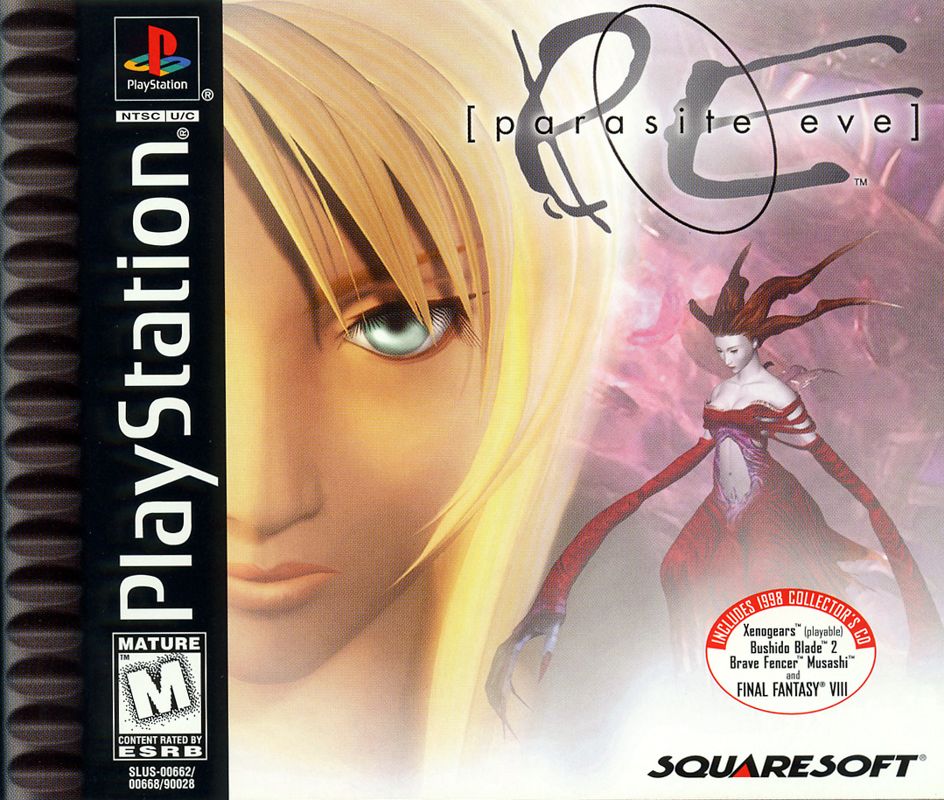
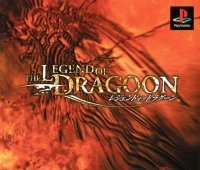
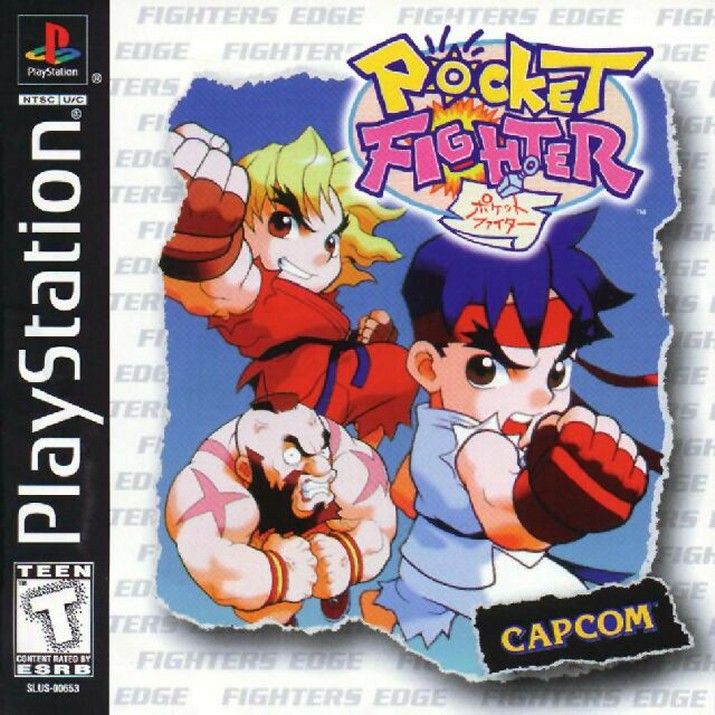
In the Parasite Eve franchise and Legend of Dragoon, Poison represents a debilitating status effect often inflicted by specific items or enemy attacks. In Pocket Fighter, it appears as a throwable item that drains opponent health, while in Prehistorik Man and Whizz, it acts as a hazardous item or obstacle that players must avoid to prevent damage. In Dark Chronicle, poison-themed items can be used strategically in combat or crafting.
During the late 1990s and early 2000s, the integration of poison across these titles highlighted a shifting design philosophy within the broader
Parasite Eve franchise ecosystem. In the 1996 releases
Prehistorik Man and
Whizz, these hazards served as level-design obstacles reflecting the strict penalty systems of 16-bit and 32-bit platformers.
As the franchise expanded, the 1998 debut of
Parasite Eve on the PlayStation shifted the concept into a survival-horror RPG context, requiring players to manage resources like PE energy and specialized medicine to survive encounters. This tactical management influenced
Legend of Dragoon in 2000, where players utilized specific equipment slots to mitigate damage over time during turn-based additions. In the same era,
Pocket Fighter adapted the concept into a physical, interactive stage item, while
Dark Chronicle allowed players to permanently fuse the property into their leveling weapon grids. The inclusion of these mechanics in rare editions like
Rampage Total Destruction [Not For Resale] demonstrates how developers consistently utilized the threat of gradual depletion to balance gameplay pacing across diverse genres.




 (En,Fr,Es).png)

.png)



.png)
 (En,Fr,Es).png)