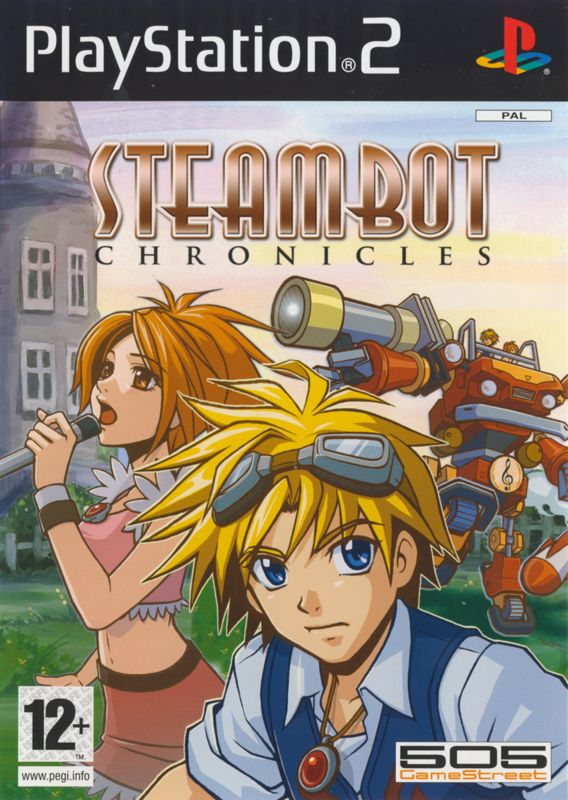
In the Game Boy puzzle game Dexterity, the watermelon appears as an item on the grid. In the PlayStation 2 game Mr. Moskeeto, a watermelon can be found in the Yamada household and interacted with by the player. In the open-world mech game Steambot Chronicles, watermelons serve as a consumable food item and trade commodity that players can buy, sell, or eat.
In
Dexterity, developed by Mitchell Corporation, the item functions within a tile-clearing puzzle matrix where players must manipulate the board under strict time constraints. The visual inclusion of the fruit aligns with the era's trend of using colorful, recognizable food sprites to denote high-value targets or stage-clearing objectives in early handheld puzzle titles.
Within the cultural context of
Mr. Moskeeto, the fruit represents a traditional Japanese summer motif. Players utilize the object during gameplay to trigger specific reactions from the Yamada family, aiding in stealth maneuvers and blood-sucking missions by exploiting the characters' domestic routines. This interaction highlights the game's emphasis on environmental physics and domestic simulation.
In the economic systems of
Steambot Chronicles, the agricultural product is tied directly to the survival and financial mechanics of the non-linear campaign. Players manage their inventory weight and freshness, navigating the fluctuating market values across different towns. Utilizing the fruit to maintain the protagonist's physical condition prevents performance penalties during real-time mech combat, integrating the item into the core gameplay loop of resource management.
_1.png)




_1.png)