Originating in early music-matching titles, this mechanic challenges players to time their button presses, movements, or gestures to an audible tempo. Over time, it evolved from simple call-and-response patterns into complex multi-instrument simulations, motion-controlled dancing, and hybrid genres like rhythm-roguelikes. Today, it serves both as a standalone genre foundation and as an integrated element that syncs environmental hazards or combat to a game's soundtrack.
The mechanic's roots trace back to early 1980s releases like
Juke Box and
Melody Blaster, which experimented with basic audio-visual synchronization. The late 1990s popularized the mechanic globally, led by the quirky, narrative-driven call-and-response gameplay of
PaRappa the Rapper and its spin-off
Um Jammer Lammy. Concurrently, arcade innovations like
Dance Dance Revolution introduced physical interaction to the genre.
In the 2000s, developers merged rhythm with other sensory experiences and peripherals.
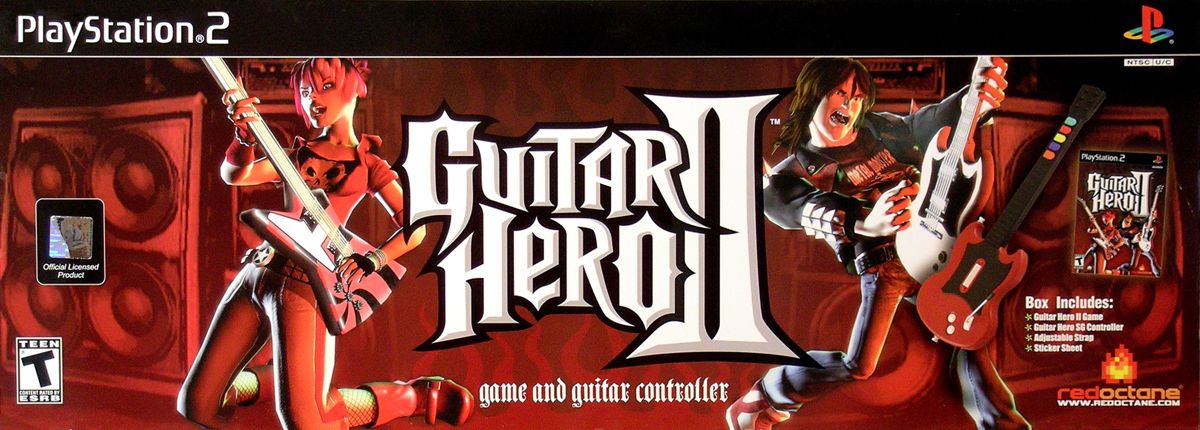
Rez integrated beat-matching with rail-shooter gameplay, while the mid-2000s saw a massive cultural boom in plastic instrument peripherals, epitomized by
Guitar Hero III: Legends of Rock.
As peripheral fatigue set in, the mechanic shifted toward motion-controlled accessibility with franchises like
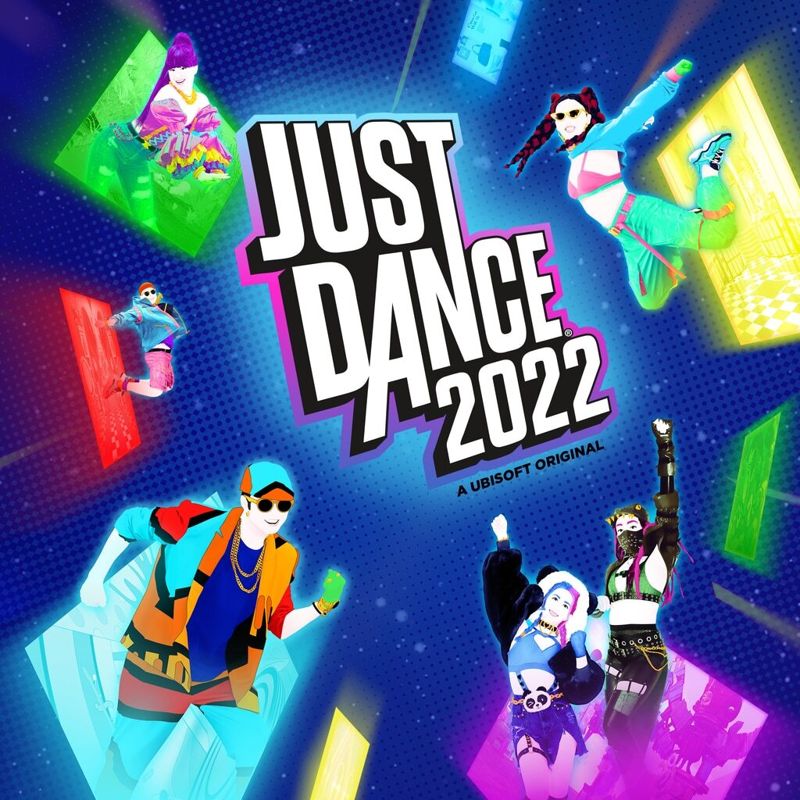
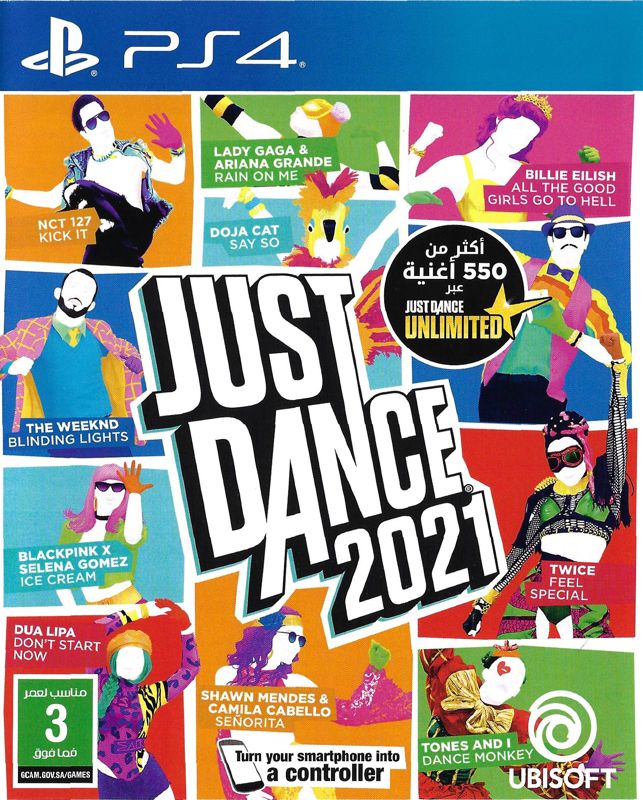
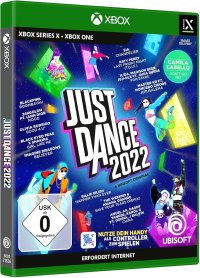
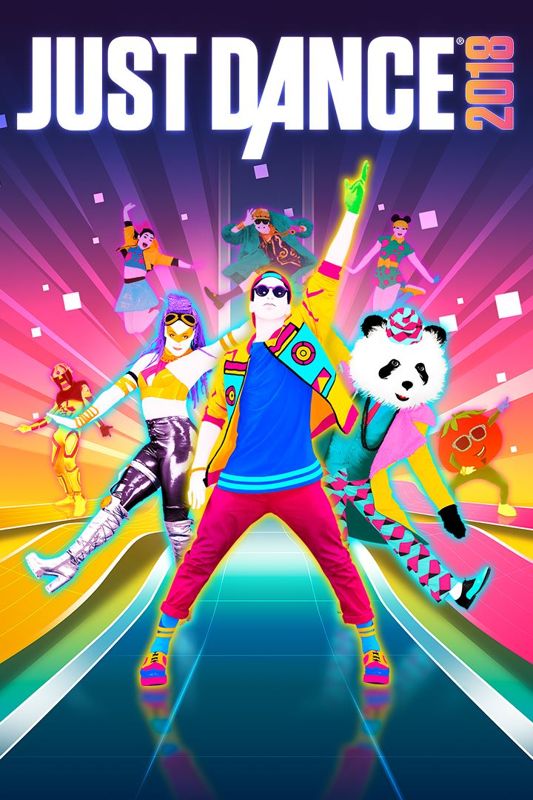
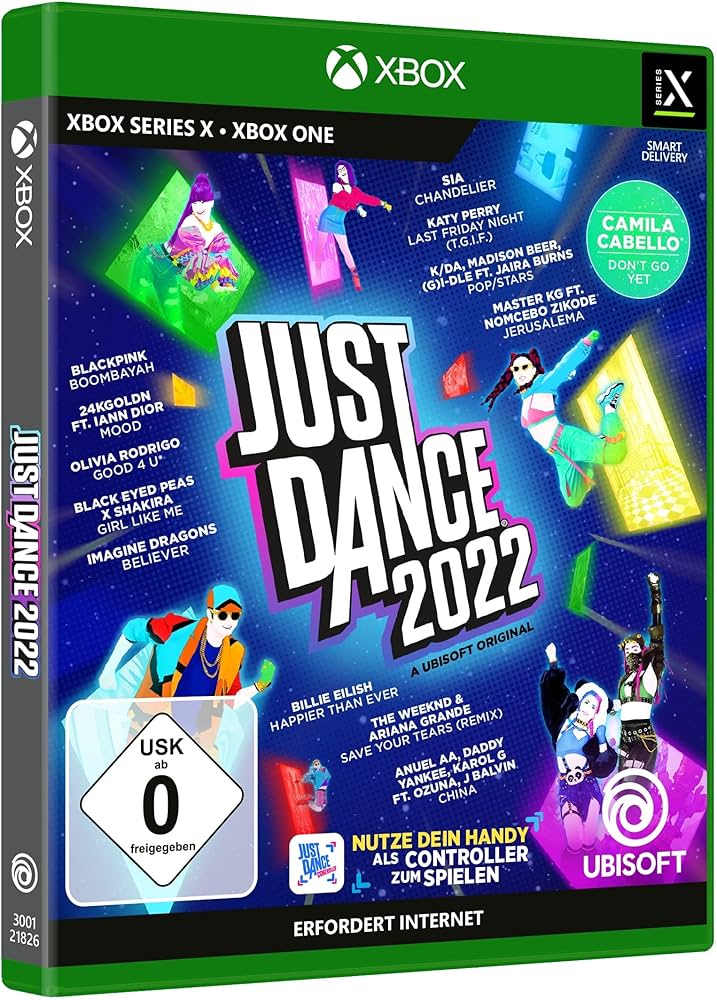
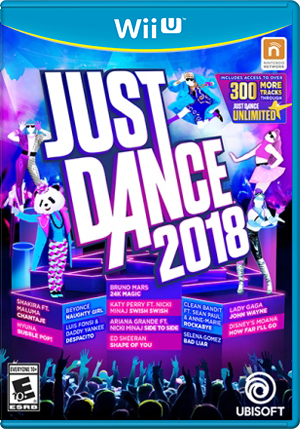
Just Dance 3 and
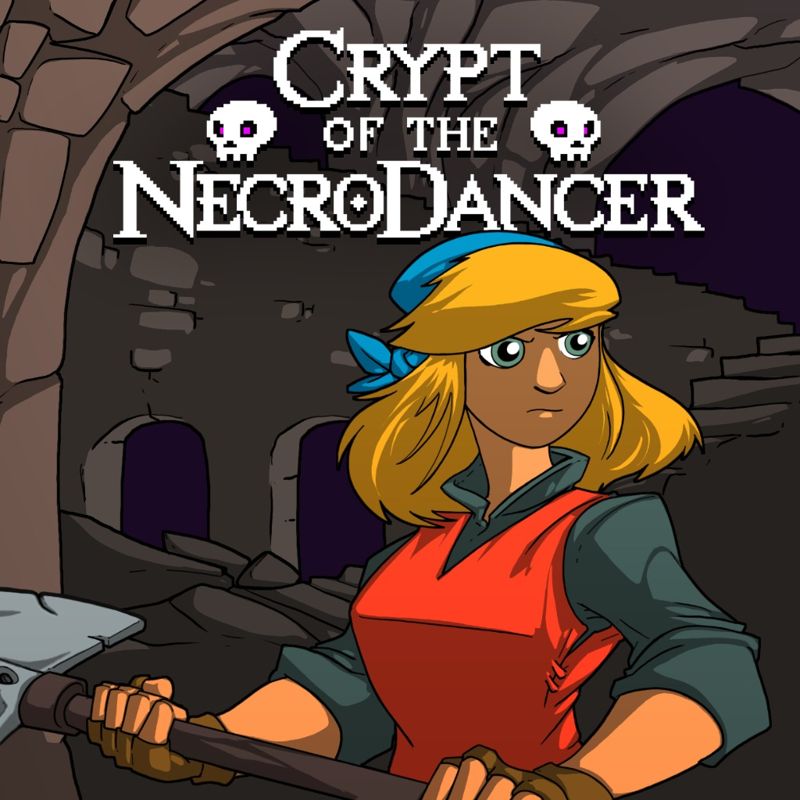
Just Dance 2022. Modern implementations frequently blend rhythm with distinct genres, such as the tactical, beat-driven dungeon crawling of
Crypt of the NecroDancer. This versatility has allowed rhythm mechanics to transition from a niche novelty into a foundational element of contemporary game design.
_1.png)

_1.png)














_Front_Cover.jpg)














_Front_Cover.jpg)
_1.png)