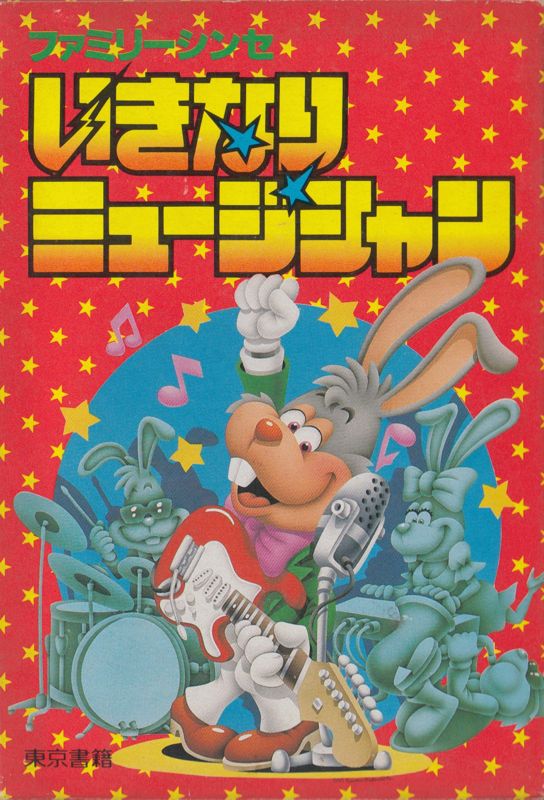
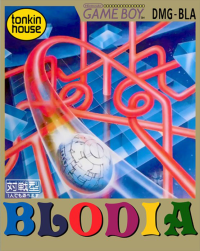
Tokyo Shoseki Co., Ltd. entered the video game market as a publisher, releasing Famicom titles such as the music game Ikinari Musician, the action-RPG Romancia, and the adventure game Ankoku Shinwa: Yamato Takeru Densetsu. They also published sports and strategy titles like Perfect Bowling, Boxing, and Sekigahara, as well as Tatsunoko Fighter and Blodia for the PC Engine.
Originally established as a major Japanese educational textbook publisher, the company diversified into digital entertainment during the Famicom era. This transition leveraged popular licenses and established intellectual properties. For instance,
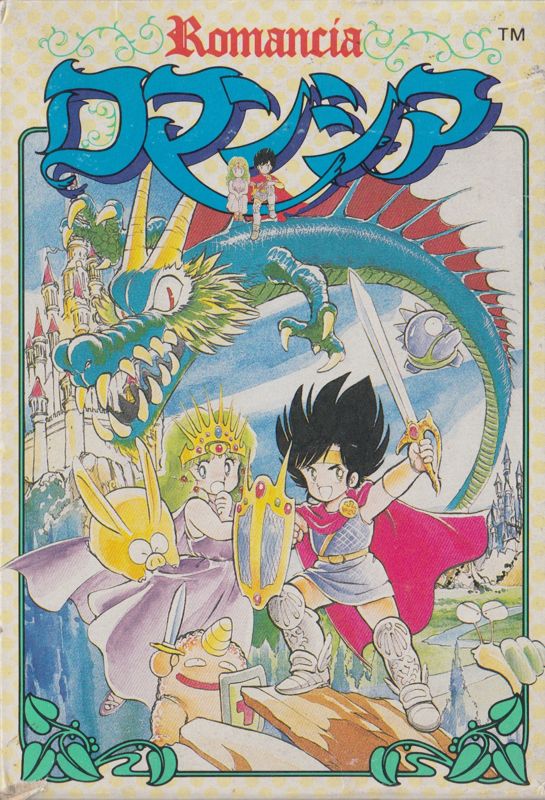
Romancia (1987) brought Nihon Falcom’s challenging
Dragon Slayer spin-off to home consoles, while
Ankoku Shinwa: Yamato Takeru Densetsu (1989) adapted Daijiro Morohoshi's dark fantasy manga into an interactive adventure.
The publisher's lineup also capitalized on media crossovers and genre variety.
Tatsunoko Fighter (1989) united classic anime heroes from Tatsunoko Production in a side-scrolling action format. For strategy and puzzle enthusiasts,
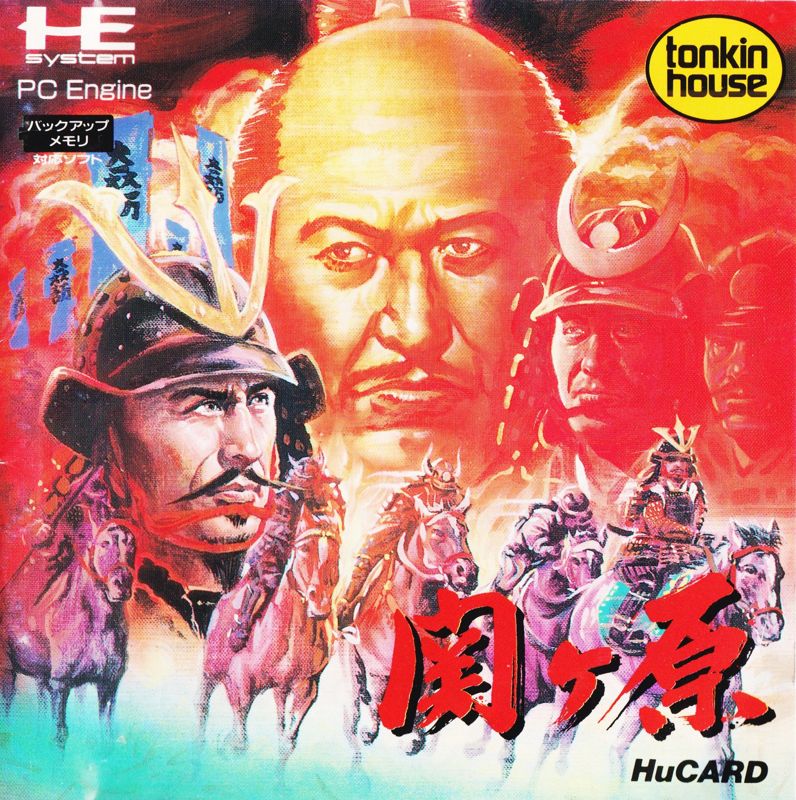
Sekigahara (1990) offered tactical simulation based on feudal Japanese history, while
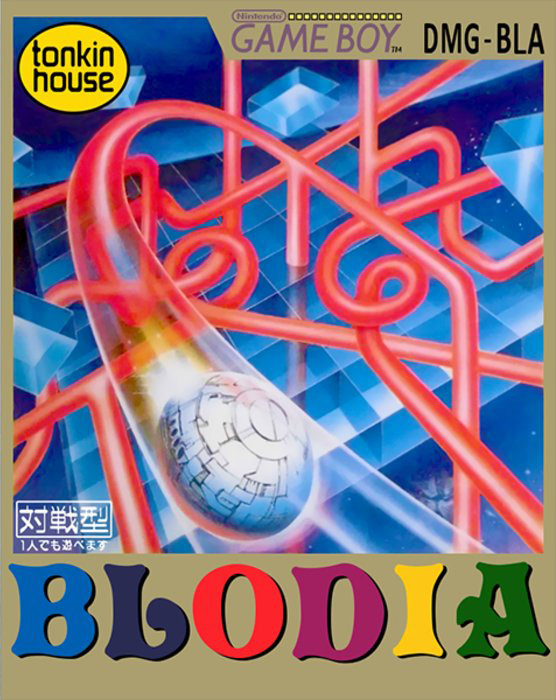
Blodia (1990) challenged players with tile-sliding mechanics. Sports releases like
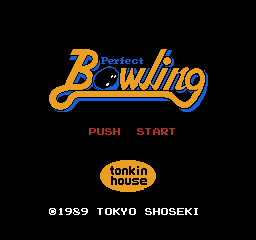
Perfect Bowling (1989) and
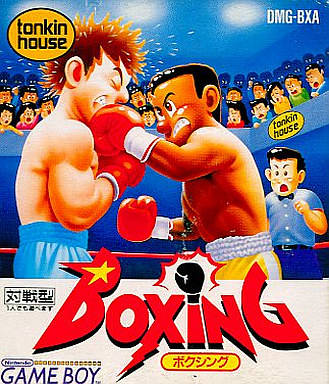
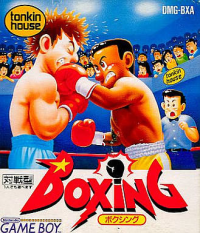
Boxing (1990) targeted casual players, and the early music title
Ikinari Musician (1987) experimented with audio-guided gameplay. This diverse software library represents a distinct period when traditional print media companies actively shaped the early console gaming landscape before Tokyo Shoseki ultimately refocused on its core educational publishing business.

.png)
.png)

_1.png)
.png)










.png)


.png)


.png)



_1.png)