The Baldur's Gate series consists of both tactical computer role-playing games and action-RPG spin-offs. It includes titles such as Baldur's Gate: Dark Alliance (2002), Baldur's Gate: Dark Alliance II (2004), and the critically acclaimed Baldur's Gate III (2023). The franchise is highly regarded for adapting tabletop Dungeons & Dragons rules and narratives into the digital medium.
Initially popularized by BioWare, the franchise expanded its reach beyond traditional computer role-playing with console-focused action-RPG releases. This shift is represented by
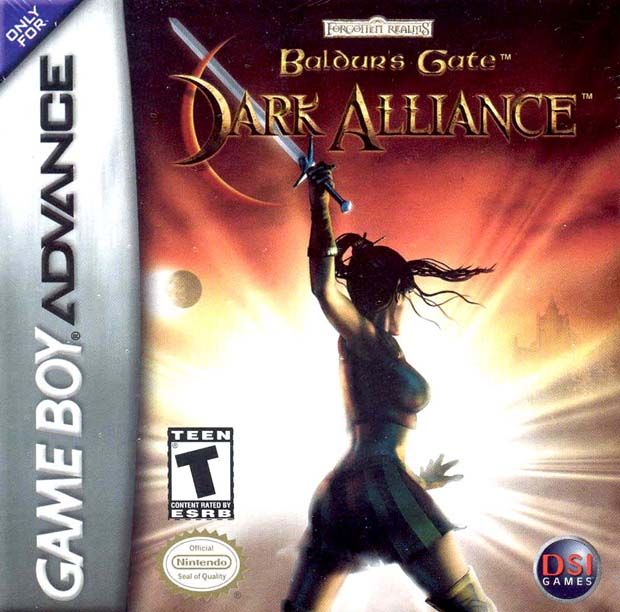
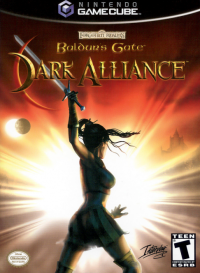
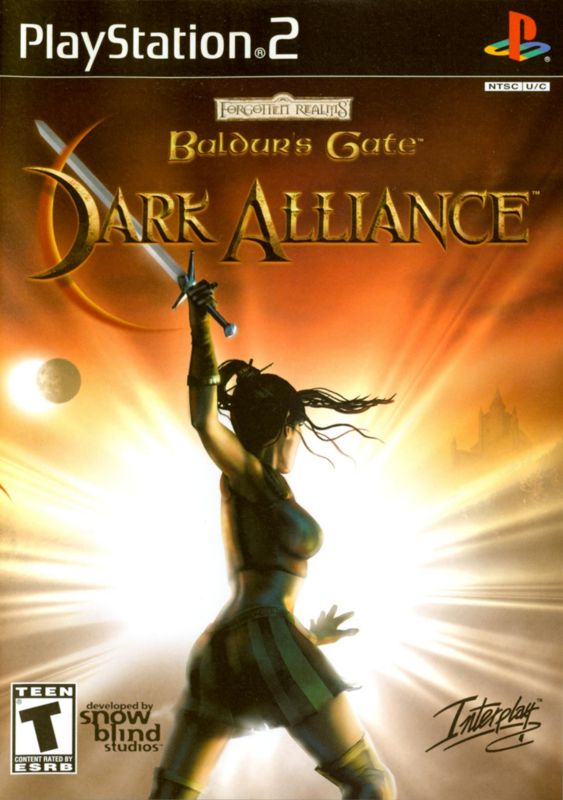
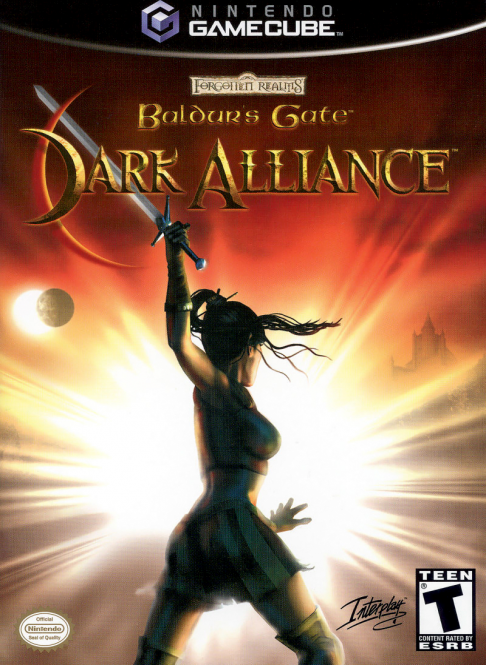
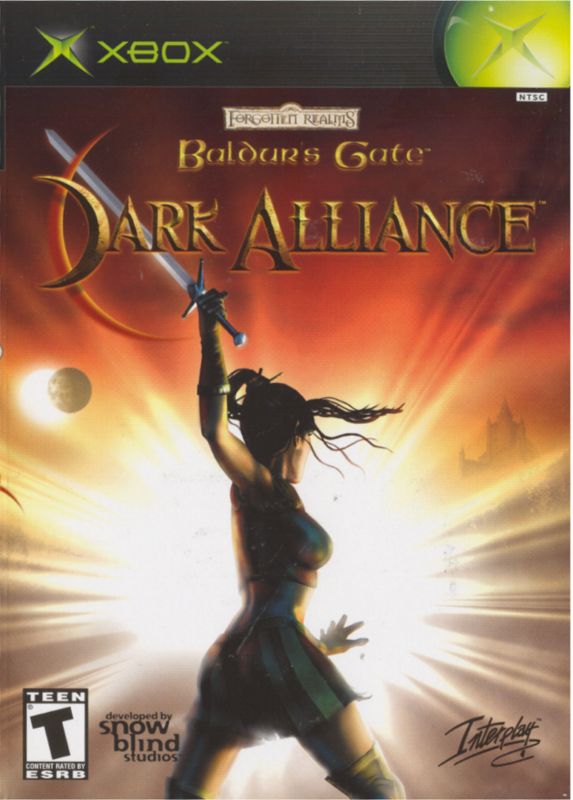
Baldur's Gate: Dark Alliance (2002), which received subsequent ports and iterations including
Baldur's Gate: Dark Alliance (2003) and
Baldur's Gate: Dark Alliance (2004). The hack-and-slash gameplay continued with the sequel
Baldur's Gate: Dark Alliance II (2004) and its variant release
Baldur's Gate: Dark Alliance 2 (2004).
The franchise's literary and strategic footprint is also documented in early media, such as the
Baldur's Gate [BradyGames] (1993) strategy guide publication. Decades later, Larian Studios revived the mainline series, culminating in massive commercial success and critical acclaim. This modern era of the franchise is highlighted by premium physical and digital releases, specifically
Baldur's Gate III [Deluxe Edition] (2023) and the highly sought-after
Baldur's Gate III [Collector's Edition] (2023). These releases cemented the franchise's legacy as a benchmark for player choice, narrative depth, and faithful adaptation of tabletop mechanics.
_1.png)
_1.png)
_1.png)

_1.png)

_1.png)


_1.png)






_1.png)
_1.png)


_1.png)
_1.png)