The Midnight Club series began in 2000 with Midnight Club: Street Racing, focusing on high-speed illegal street racing in open-world city environments. The franchise expanded with notable sequels including Midnight Club II, Midnight Club 3: DUB Edition, and Midnight Club: Los Angeles. Players navigate real-world cities to compete in checkpoint-based races and customize a variety of licensed and unlicensed vehicles.
Developed by Rockstar San Diego, the franchise leveraged the developer's expertise in physics-based engine design.
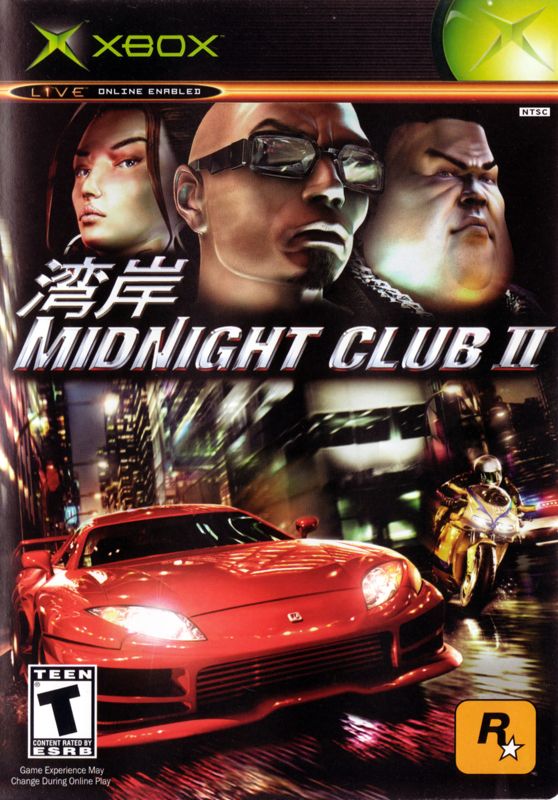
Midnight Club II (2003) expanded the gameplay formula by introducing motorcycles and online multiplayer capabilities, which were supported by promotional releases like
Midnight Club II [Not For Resale] (2003) and later
Midnight Club 2 [Greatest Hits] (2003). The series gained significant cultural traction through strategic partnerships, most notably with DUB Magazine for
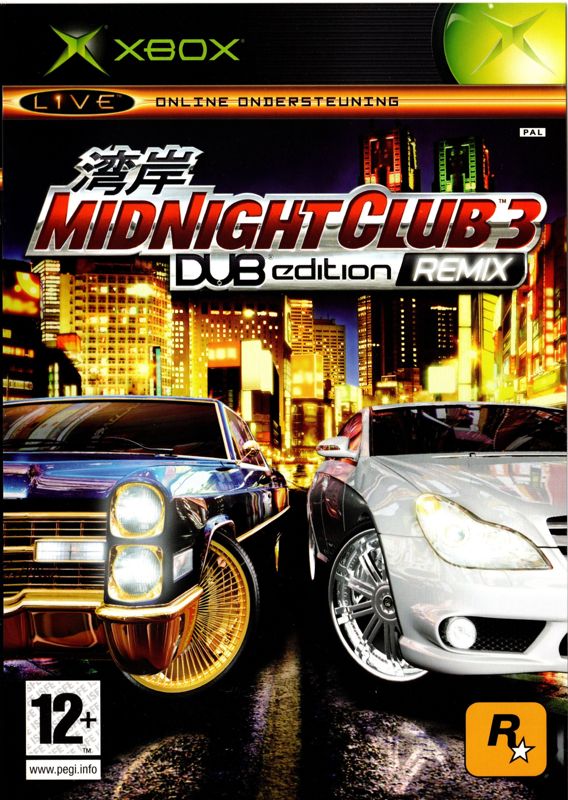
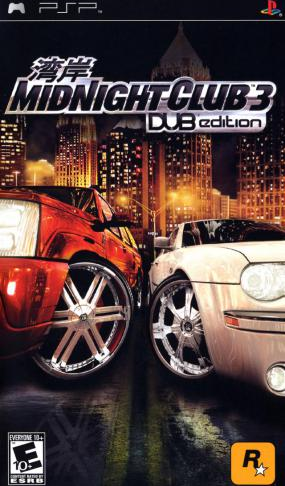
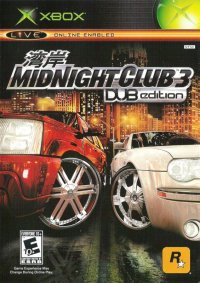
Midnight Club 3: DUB Edition, which integrated authentic car culture, licensed parts, and a robust soundtrack.
To assist players in navigating the complex shortcuts of its virtual environments, major publishers released comprehensive strategy guides, including Prima's guide for
Midnight Club: Street Racing (2000) and BradyGames guides for
Midnight Club II (2000),
Midnight Club 3: DUB Edition, and
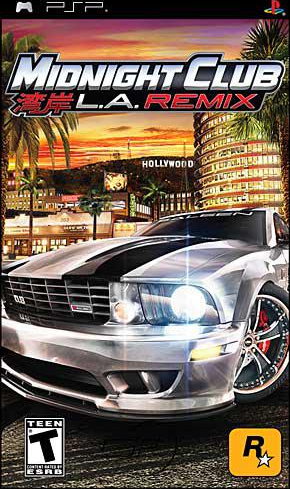
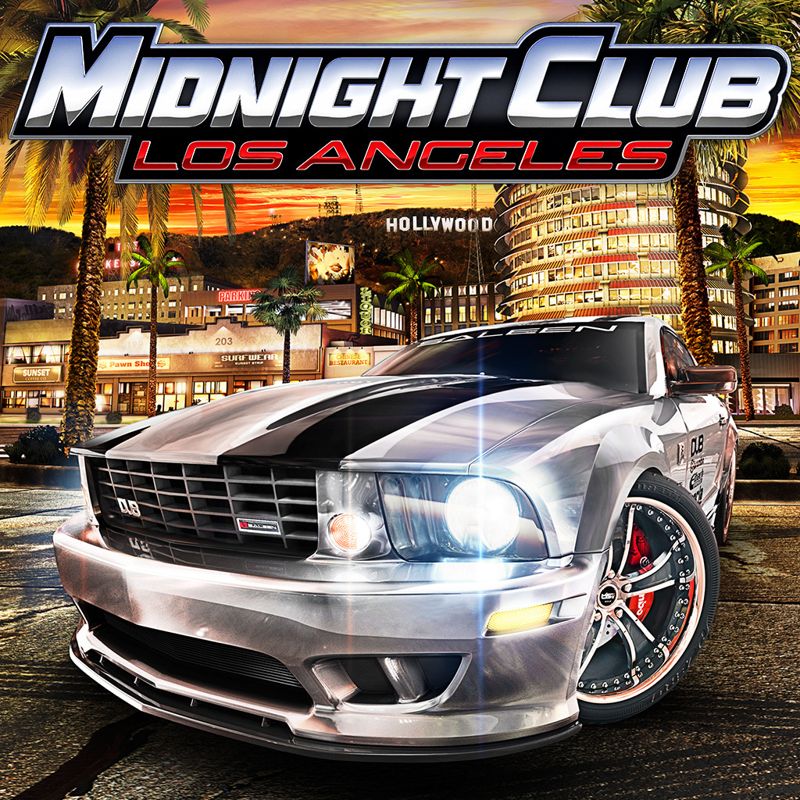
Midnight Club: Los Angeles. The final major installment,
Midnight Club: Los Angeles, utilized the Rockstar Advanced Game Engine (RAGE) to deliver high-definition visuals and a seamless, loading-screen-free depiction of Southern California. The series remains a landmark in arcade racing history, influencing subsequent open-world driving games.
 (En,Fr,De,Es,It).png)






.png)

 (En,Fr,De,Es,It).png)


_1.jpg)


_1.png)