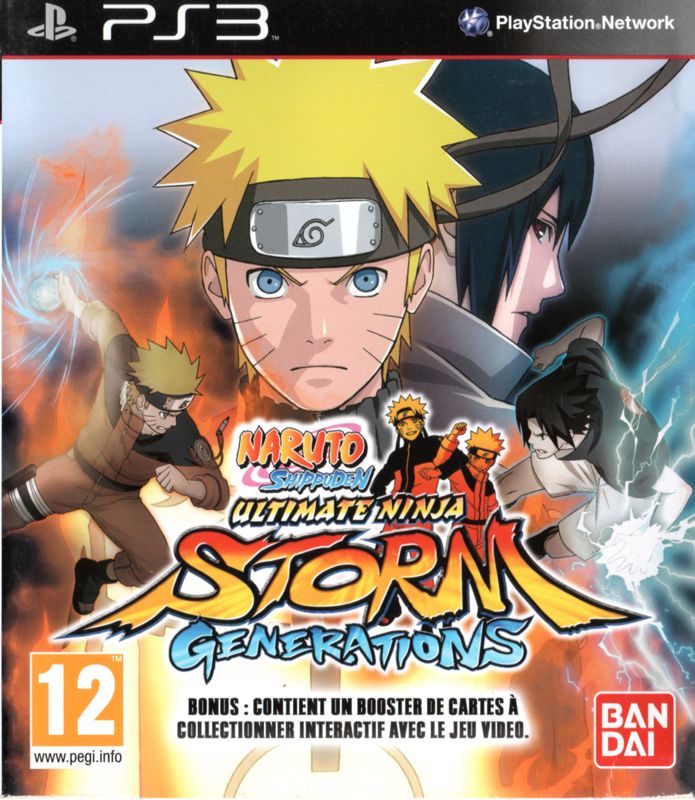
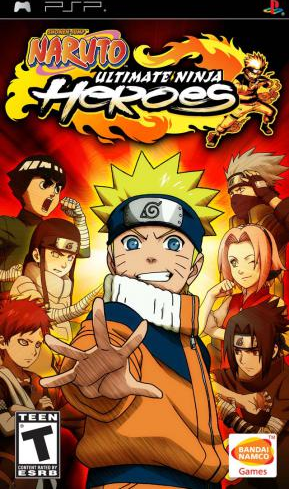
The Naruto Ultimate Ninja series is a fighting game franchise that debuted on the PlayStation 2. The series includes titles such as Naruto Ultimate Ninja (2006), Naruto Ultimate Ninja 2 (2007), and Naruto Ultimate Ninja 3 (2008). These games feature cinematic special moves, interactive stages, and story modes that adapt the narrative of the original anime and manga.
Developed by CyberConnect2 and published by Bandai, the franchise established a major footprint in Western markets during the mid-2000s. While early Japanese releases laid the groundwork, the international rollout began significantly with
Naruto Ultimate Ninja (2006), which was later re-released as
Naruto Ultimate Ninja [Greatest Hits] (2006) due to strong sales. This success was followed by
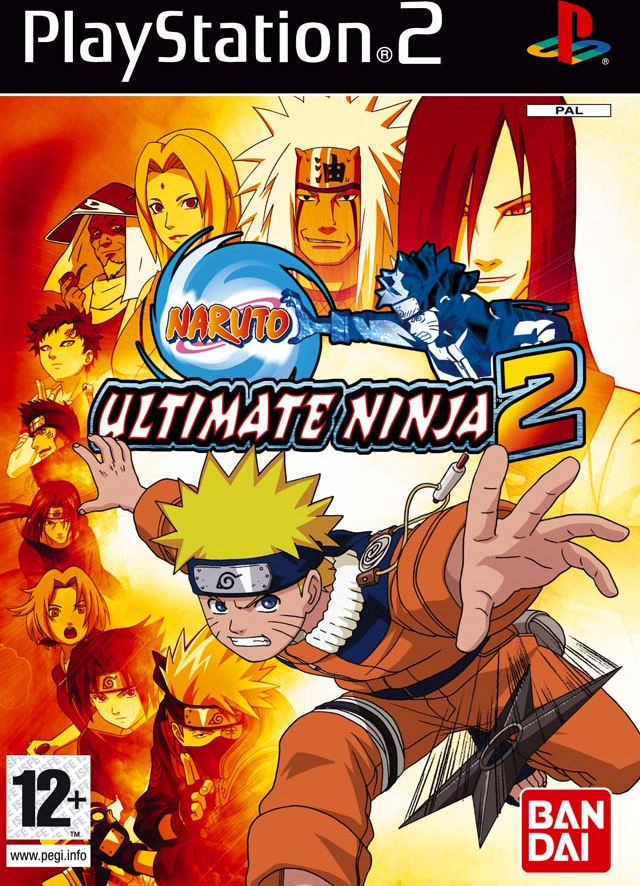
Naruto Ultimate Ninja 2 (2007), which also received a
Naruto Ultimate Ninja 2 [Greatest Hits] (2007) edition, cementing the brand's commercial viability.
The gameplay evolved across iterations, introducing deeper customization and larger character rosters.
Naruto Ultimate Ninja 3 (2005) expanded the mechanical depth in its original Japanese release, which eventually saw its localized North American release as
Naruto Ultimate Ninja 3 (2008). The series is also associated with early promotional iterations, including
Naruto Ultimate Ninja (2000). These titles transitioned the anime's hand-drawn aesthetic into cel-shaded 3D graphics, setting a visual standard for future anime adaptations. The mechanical foundation established in these early releases paved the way for the subsequent
Storm sub-series on later console generations.

.png)

.png)
.png)




.png)
.png)
.png)