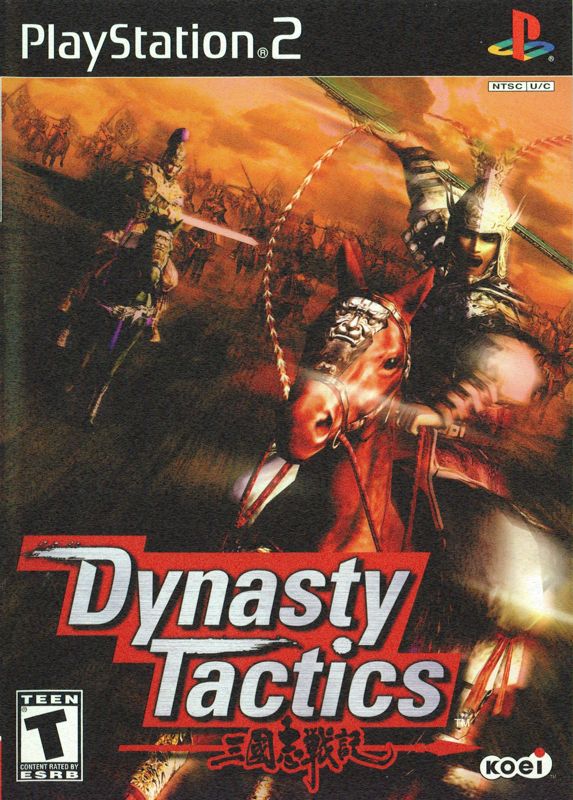
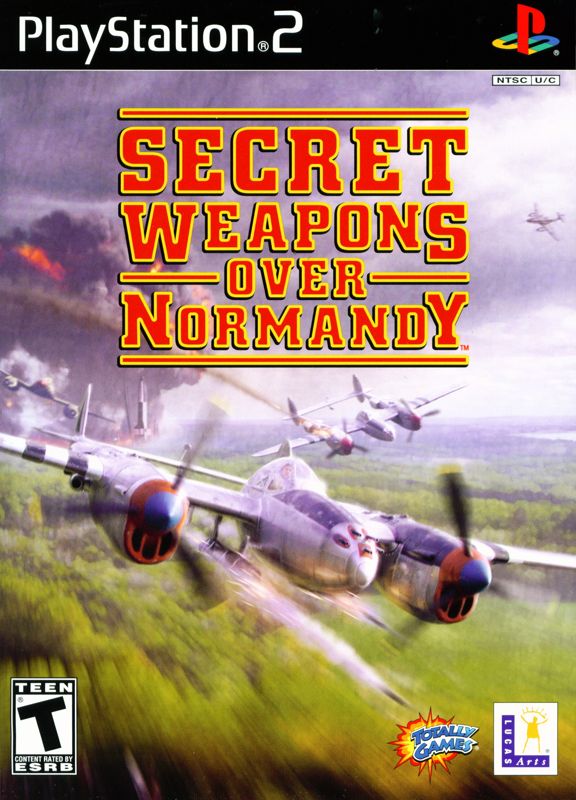
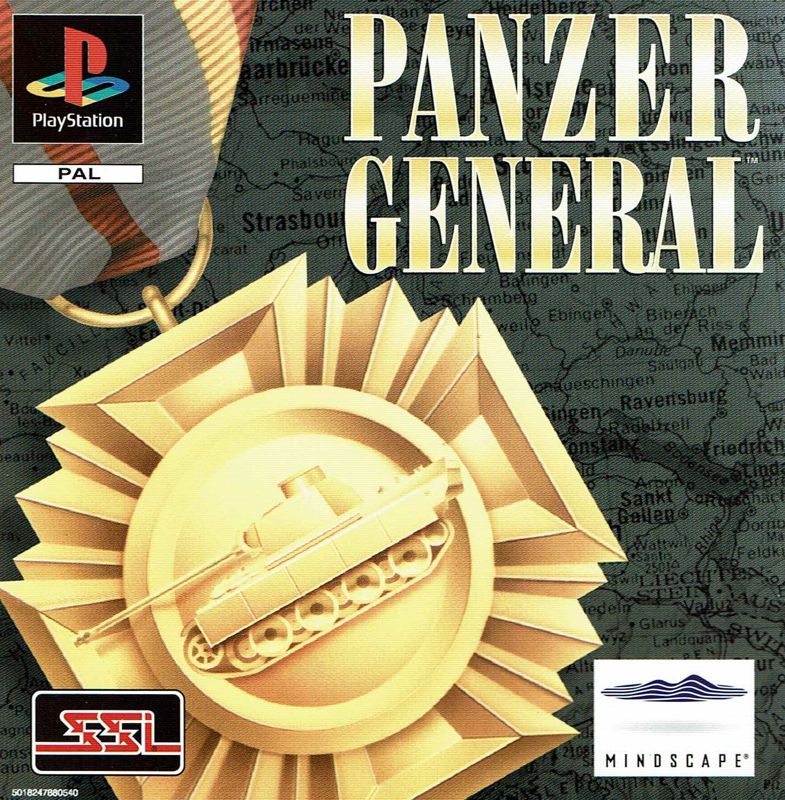
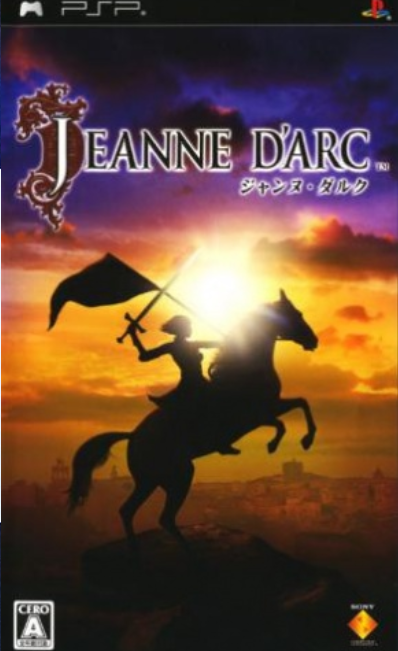
This setting utilizes actual human history as the backdrop for gameplay, ranging from ancient Rome and imperial China to 20th-century military conflicts. Games using this setting often focus on grand strategy, tactical simulation, or historical exploration, allowing players to reenact or alter documented events.
During the 1980s, developers began leveraging documented history to provide structured narratives and realistic constraints for early computer games. Ozark Softscape's
Seven Cities of Gold (1984) pioneered this approach by simulating the 15th-century Spanish exploration of the Americas. As personal computers advanced, developers shifted toward precise military and political simulations. MicroProse addressed 20th-century warfare with
Conflict in Vietnam (1986), while
Strike Fleet (1988) and
Wargame Construction Set (1988) provided players with tools to simulate modern naval and tactical engagements.
Simultaneously, developers looked to regional histories for inspiration. Koei popularized East Asian historical settings globally with the release of
Genghis Khan (1988) and the tactical depth of
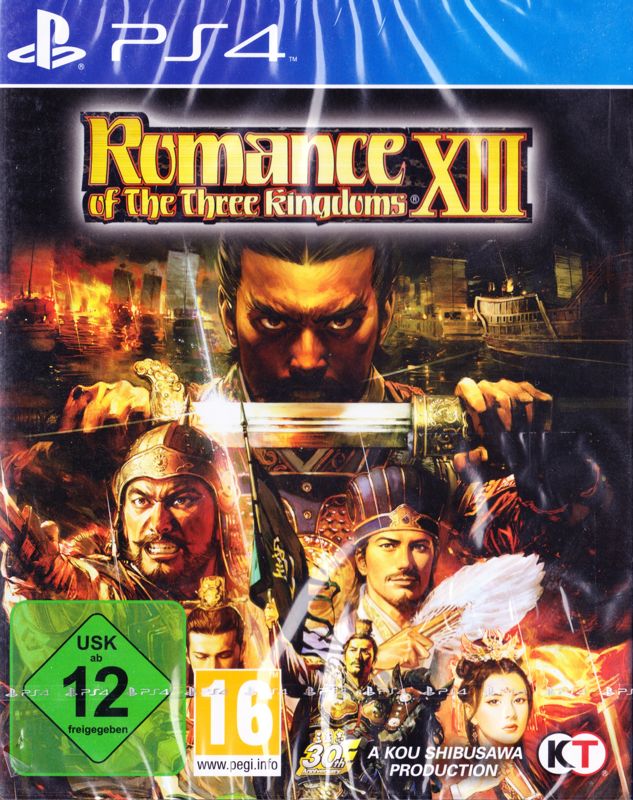
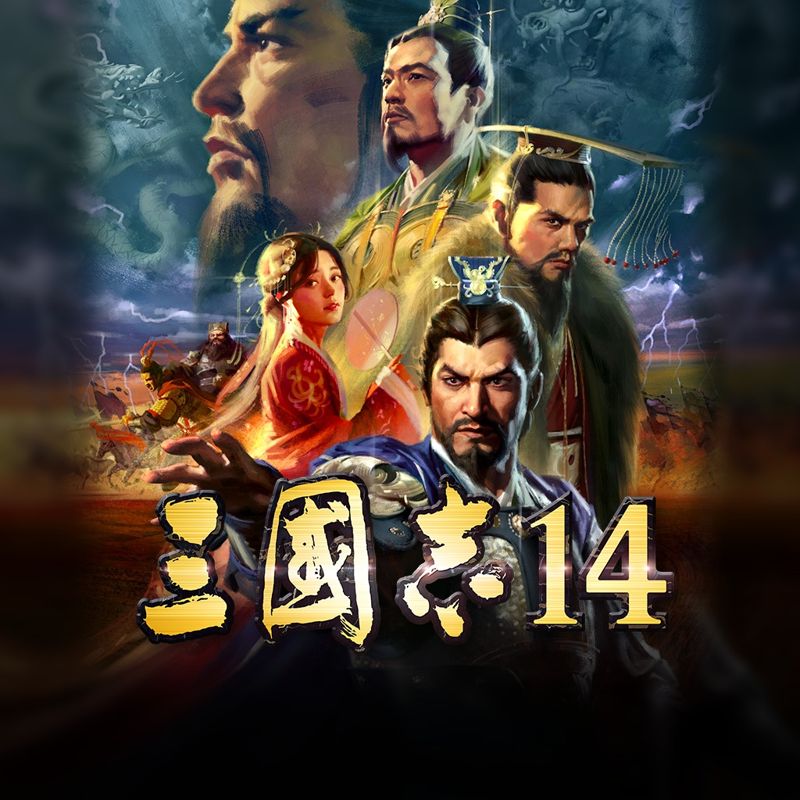
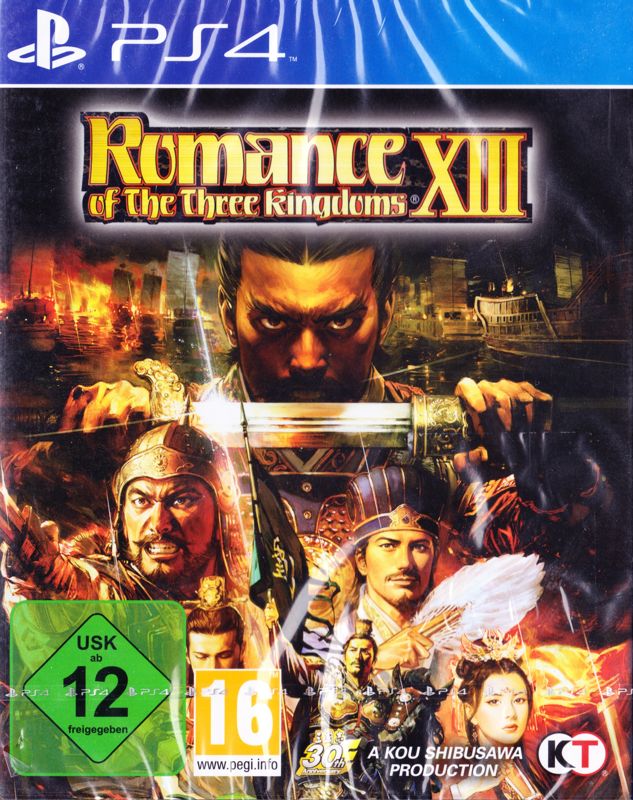
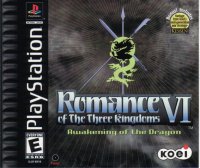
Romance of the Three Kingdoms II (1991, 1992). Meanwhile,
Centurion: Defender of Rome (1991) combined military campaigns with cultural elements of the Roman Republic. These early releases demonstrated the commercial viability of educational and strategic historical backdrops, establishing design conventions for resource management, diplomacy, and tactical combat that remain foundational to the simulation genre.




























.png)












.png)
.png)


.png)