Introduction
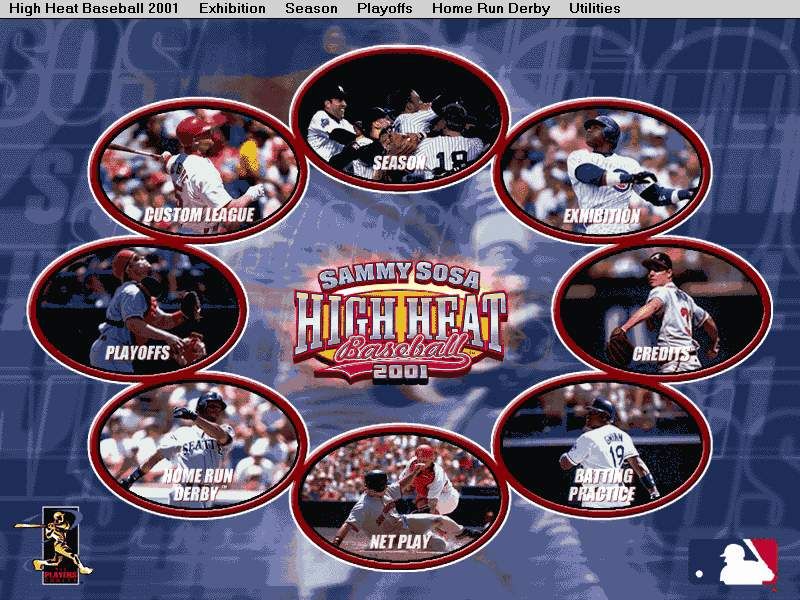
This guide shares insights learned over the years to increase your knowledge and love for the game of baseball. The advice applies to both real baseball and the Sammy Sosa High Heat Baseball 2001 game.
Getting Started
To learn the game quickly, set everything to automatic except pitching and hitting in the SETTINGS menu. Focus on mastering pitching and hitting first. As you become comfortable, gradually enable other controls.
•
Start in 2 PLAYER MODE, even when playing alone, to control both pitchers and batters.
•
Practice pitches repeatedly to understand speeds, trajectories, and the umpire's strike zone.
•
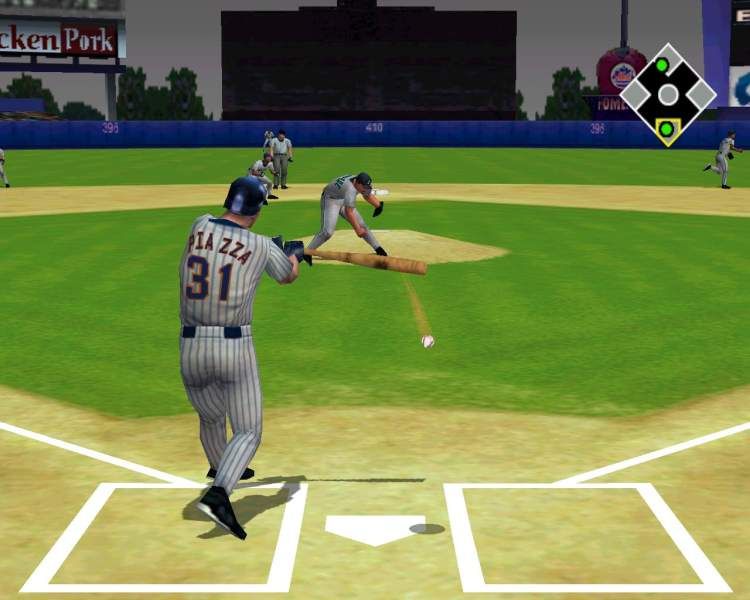
Develop your swing timing and practice check-swings.
When playing with friends, use SETTINGS to create fair handicaps. For example, you might control everything while your friend only chooses pitches. Another handicap is to throw only fastballs down the middle until your opponent gets runners in scoring position.
The Lineup
Leadoff Hitter
The leadoff hitter should have a high on-base average (OBA) and draw many walks. A walk is as effective as a single for leading off. Being fast and a good base-stealer is an added bonus, helping to avoid double plays and score from second.
Second Hitter
The second hitter should be skilled at advancing the leadoff man. This can be achieved by:
•
Having a high batting average as a contact-singles hitter.
•
Being a ground-ball hitter.
•
Being good at avoiding strikeouts.
•
Having a good OBA and running well.
The goal of the top two hitters is to have a runner in scoring position for the third hitter. Stealing second or executing a hit and run moves runners off first base and into scoring position, also reducing double-play situations.
Third Hitter
The best overall hitter should bat third. A good measure of "best" is Total Average (TA) or On Base Plus Slugging (OPS), which is the sum of OBA and slugging percentage. This statistic strongly correlates with runs scored.
Your third hitter can be a power hitter or hit for average. A high batting average is useful for scoring a runner from second with a base hit.
Cleanup Hitter (Fourth)
Your second-best overall hitter, with an emphasis on power, should bat cleanup. This hitter "protects" your best hitter, preventing opponents from walking them or forcing them to swing at bad pitches.
When your third hitter is on first, the cleanup hitter's power is crucial for scoring from first or driving in multiple runners.
Fifth Hitter
The fifth hitter should be your next best overall hitter. This protects the cleanup man and maximizes RBIs, as your third and fourth hitters will often be on base.
Sixth Hitter
The sixth hitter should be the next best overall hitter.
Pinch Running
Pinch-running should be used to gain a significant speed advantage to score the winning run from second or first, typically in the last inning. Using a pinch-runner too early might deplete your bench, leading to unfavorable matchups later, such as the pitcher having to bat.
If you are losing and need more than one run, it's often better to score with the "slow" runner already on base and save your bench for creating additional runs.
Roster Management
Ideal Team Composition
An ideal team has 14 position players (hitters) and 11 pitchers, including:
•
1 long reliever (swing man)
•
2 quality "setup" relievers
Some teams carry 3 catchers and 5 outfielders, using them carefully due to injury proneness.
Hitters: Lefties and Righties
Aim for an equal number of left-handed and right-handed hitters. Since most pitchers are right-handed, having more lefty hitters provides a platoon advantage. However, too many lefties make you vulnerable to lefty pitching.
Having star players who play almost constantly allows you to stock your bench with players for good platoons at other positions. For example, if an average LF is backed up by three other players who can play LF (two of whom are lefties), you can ensure the best matchups.
Bench Strategy
Keep at least two righty and two lefty hitters in reserve. Save your best bench players for later in the game. A player who excels against lefty pitching can "freeze out" opponents from bringing in lefty relievers.
Ensure every position is covered to maintain pinch-hitting options. Avoid using your last lefty or righty until the end of the game to prevent long periods of bad matchups.
Versatile Bench
Your bench should cover all weaknesses, including good defensive backups for positions with weak starting defenders.
•
Have at least one excellent baserunner who can come off the bench; avoid using them as an early pinch-hitter.
•
Have platoon-mates for your weakest starting hitters and backups for those platoons to handle at least three pitching changes.
•
The best backups have solid batting averages and can play multiple positions. A single from a pinch-hitter can score a key run from second.
Pitching Staff
Starting Pitchers
Have an ace starting pitcher and a solid number two. This helps break losing streaks, match up against strong opponents, and win key playoff games. Other starters don't need to be as good, as they will start less often and throw fewer innings. This is especially true for the fifth starter
.png)












.png)
.png)