In the late 20th century, global warming consumes most of the world's habitable land, forcing mankind to build new cities above those now submerged. Millions are killed, leaving humanity with a severely depleted workforce and leading to the creation of robotic workers to handle the workload. To govern their treatment, the UN creates the "New Geneva Convention", which includes clause 21 that forbids robots capable of passing as humans from being created, known as "hollow children". The UN creates specialist R.U.S.T crews to enforce this clause. When a hollow child breaks into the headquarters of robotics company Bergen, after discovering they are a hollow child and having lived their life believing themselves to be human, the UN suspects Amada corporation behind its creation. A R.U.S.T crew is dispatched to bring Amada's CEO before the UN security council to provide answers.
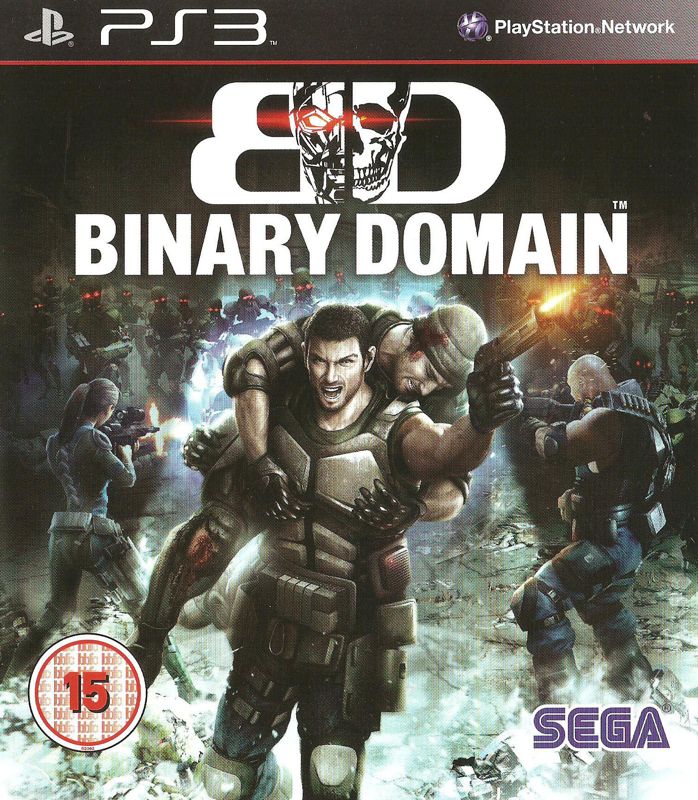
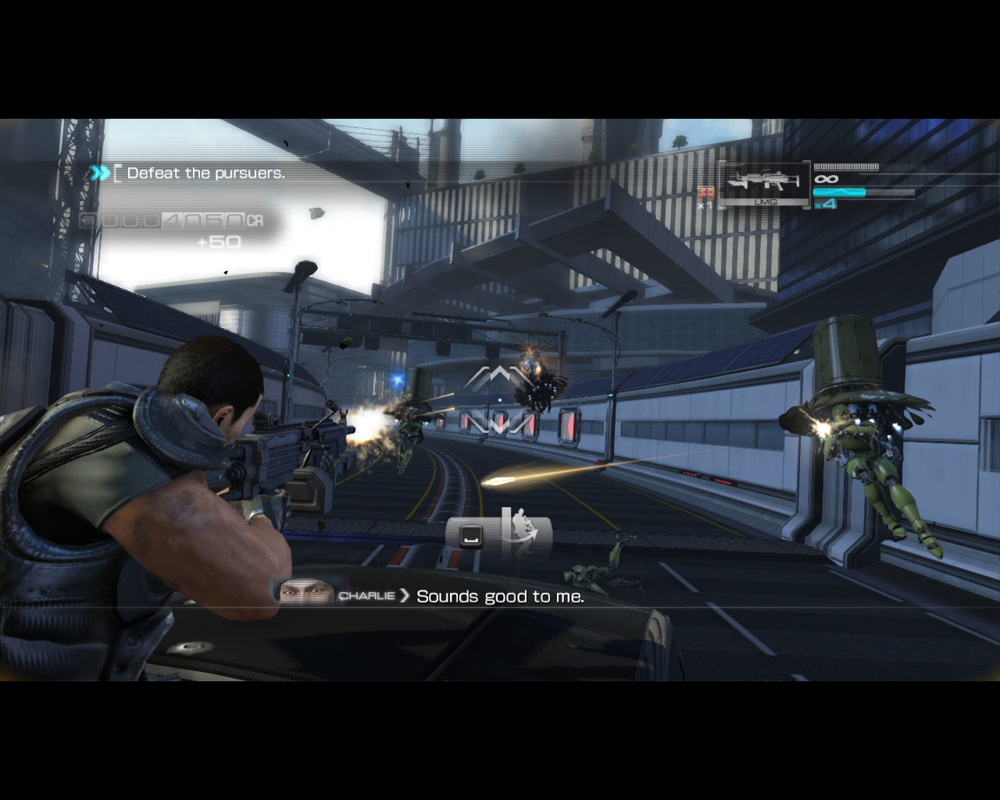
Binary Domain puts the player in the role of Dan Marshall, leader of the R.U.S.T team sent to Tokyo to apprehend Amada CEO. Gameplay revolves around third person, squad based, cover based combat. Players will largely engage with armies of robots dispatched by Amada to stop them, but instead of simply shooting and killing them, they can strategically dismember them, removing their arms to prevent shooting, taking out their legs to slow them, etc. However, this may not put them down permanently, at which point extra work will have to be done.
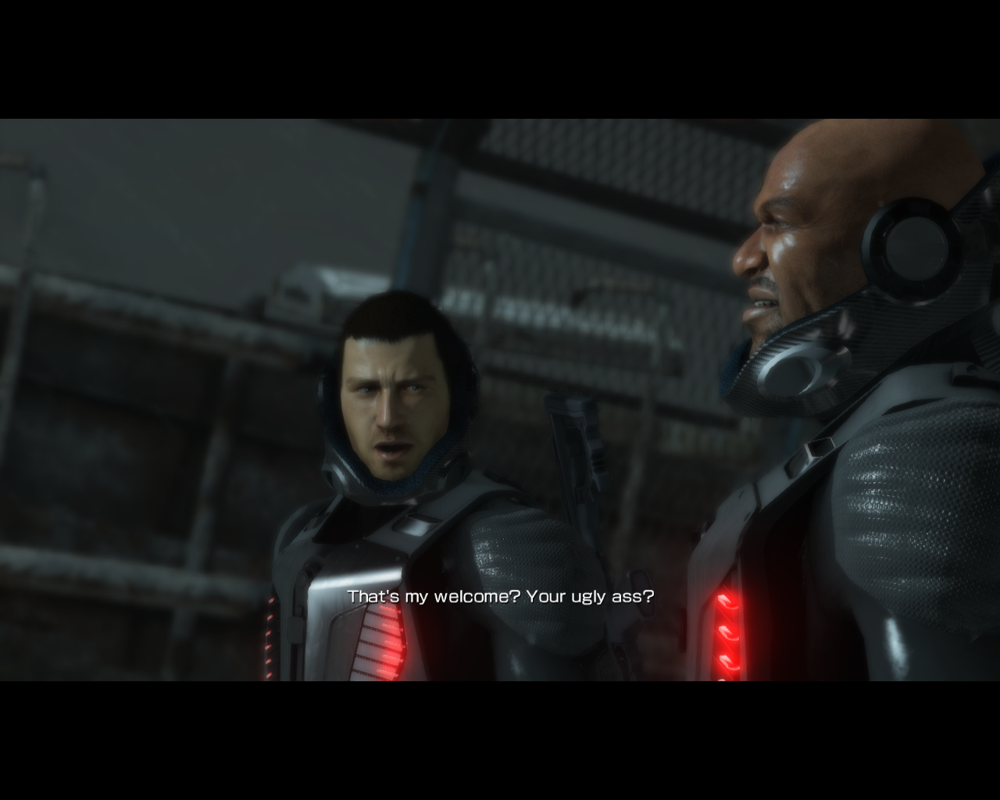
As this is also a squad based game, players will also use their squad to help take down larger opponents by getting them to concentrate fire onto specific points. Binary Domain also features voice recognition, allowing players to issue voice commands to AI squad mates with a headset if available. Without a headset, the standard controller has commands attached to certain buttons. AI squad mates have a 'Trust Meter', which shows how much they trust the player with their life; the higher the meter, the more risk they will be willing to take. The meter can be filled or emptied during combat, as well as by giving right or wrong answers during conversations that take place during levels.





_Front_Cover.jpg)




_1.png)








_1.jpg)

_1.png)