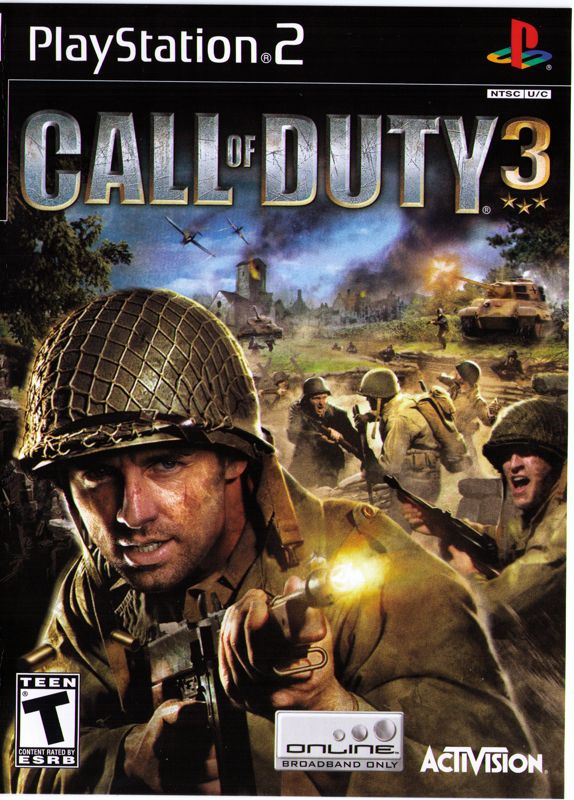
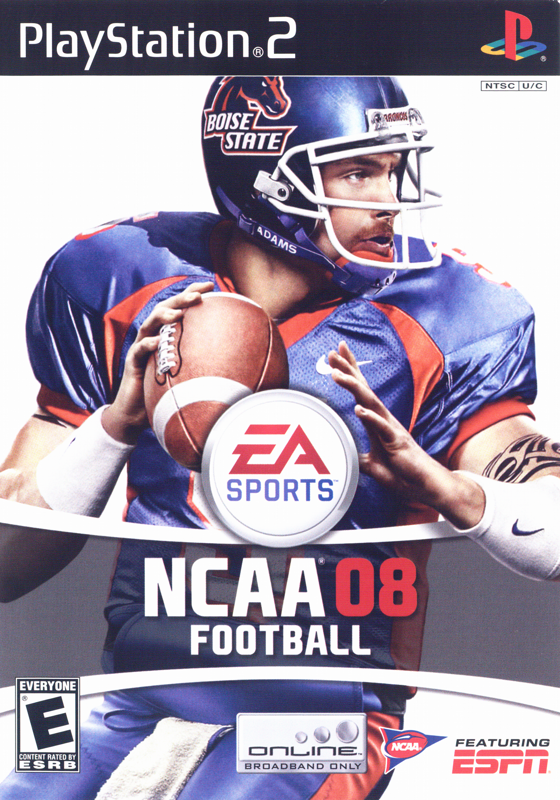
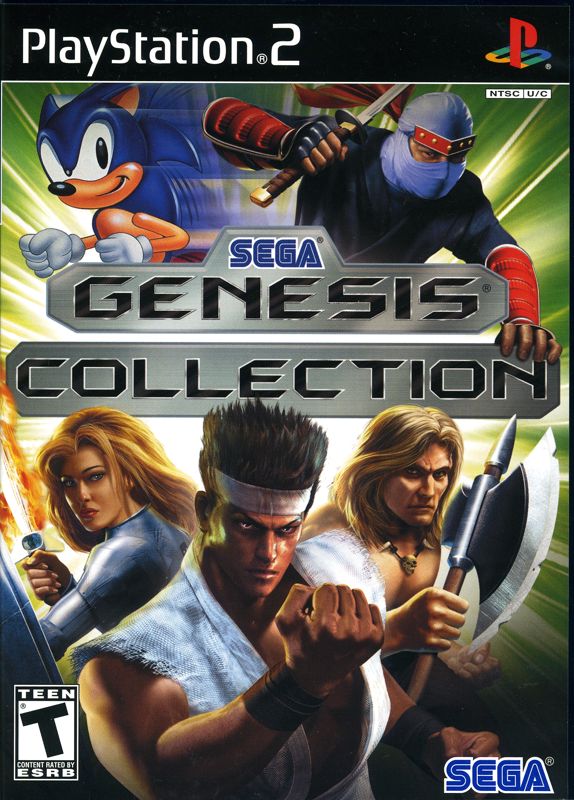
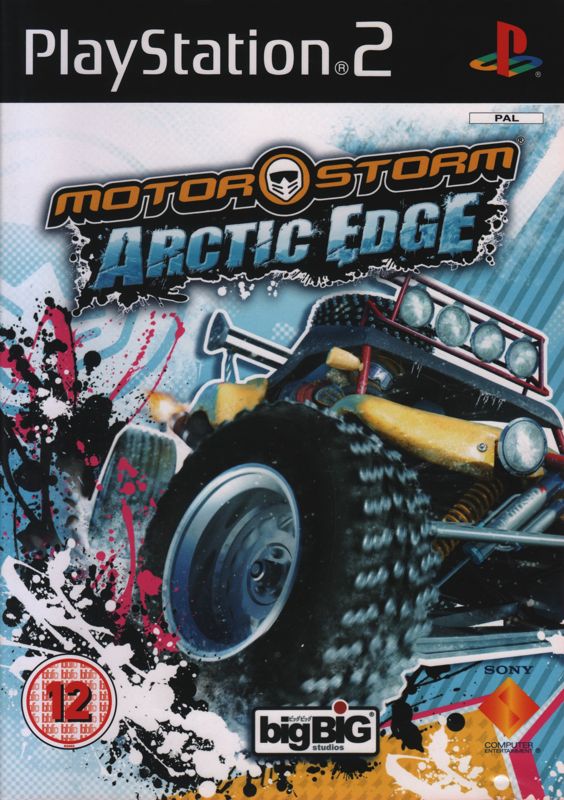
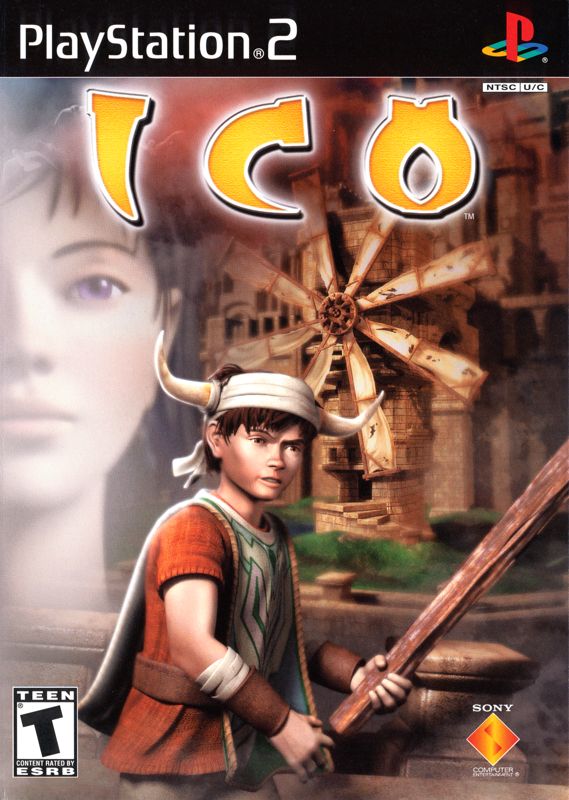
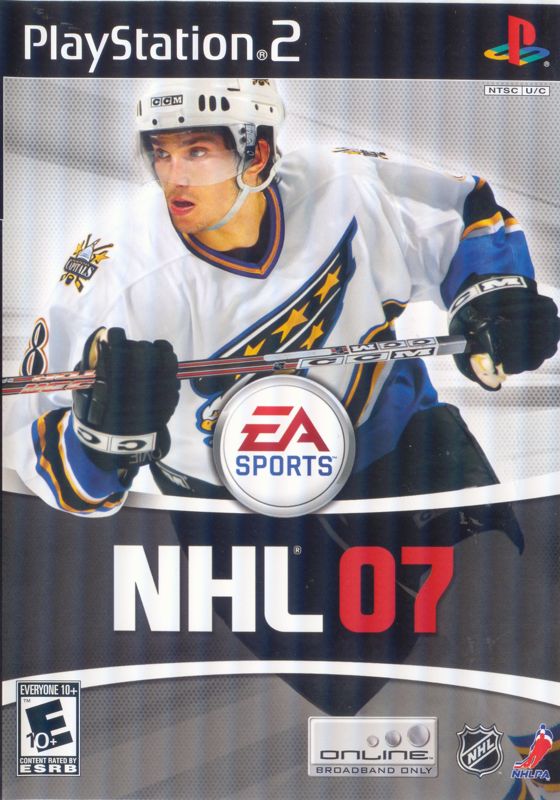
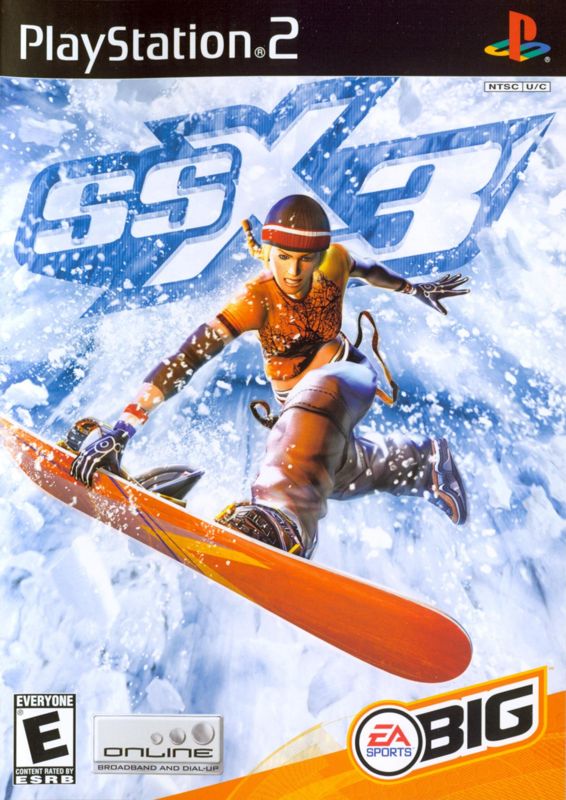
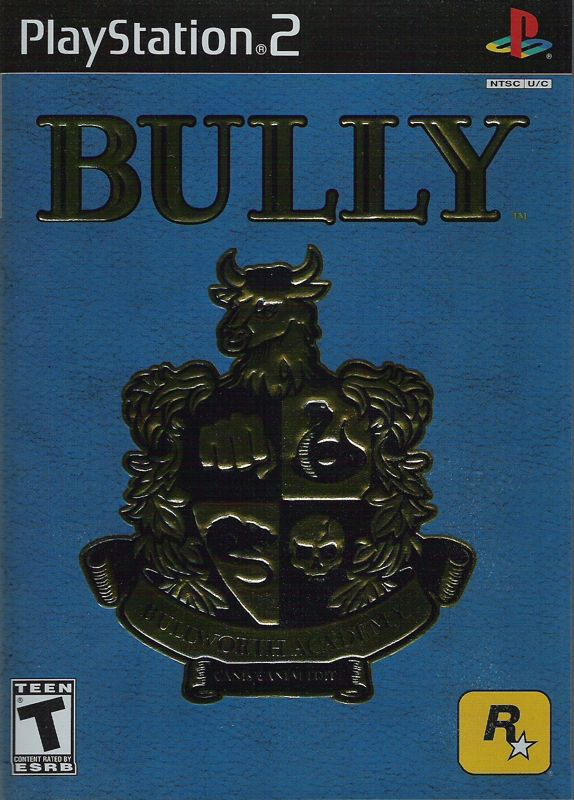
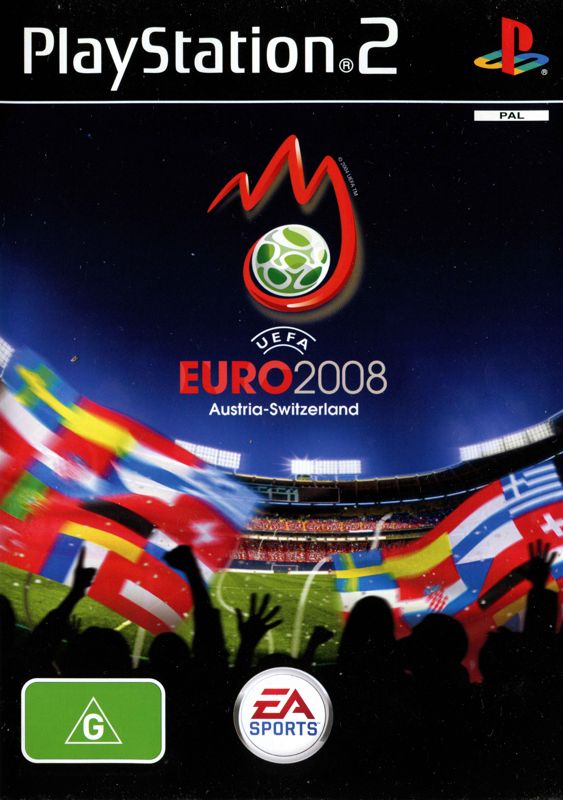
The PlayStation 2 succeeded the original PlayStation, introducing DVD playback capabilities and backward compatibility. It maintained a robust library throughout the sixth generation and early seventh generation due to its install base. The platform evolved from a multimedia hub to a definitive gaming machine, eventually being succeeded by the PlayStation 3.
Launching in late 2000 in Japan and early 2001 in North America and Europe, the PlayStation 2 rapidly dominated the sixth generation of video game consoles, selling over 155 million units and becoming the best-selling home console in history. Its immediate commercial success stemmed from its dual function as a DVD player, offering a significant cost advantage over standalone players, alongside backward compatibility with the vast library of the original PlayStation. This strategic advantage allowed it to retain users during the console transition, fostering an exceptionally deep library of titles that spanned decades.
The platform's identity was defined by narrative-driven experiences and genre-defining innovations.
Grand Theft Auto III revolutionized open-world design, while
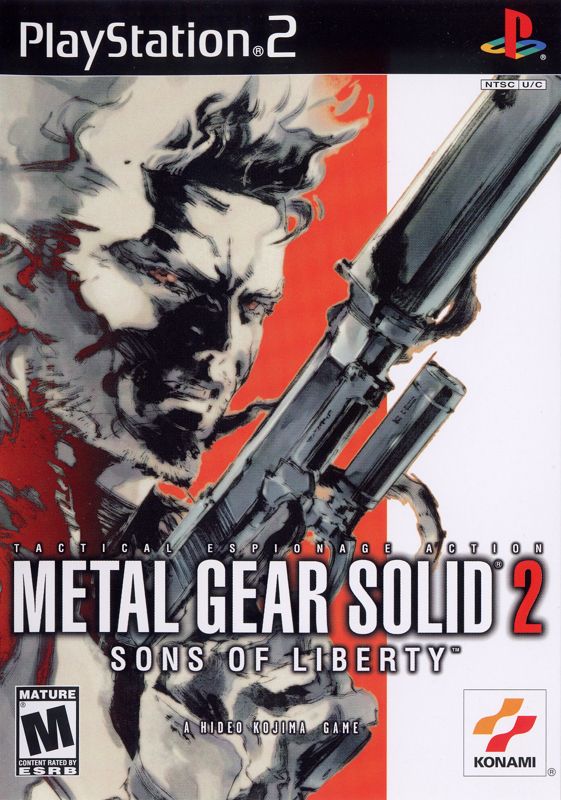
Metal Gear Solid 2 pushed narrative boundaries in interactive media. Early years also saw critical acclaim for
Devil May Cry and
Kingdom Hearts, which established new IPs and refined action mechanics. As the seventh generation began to emerge with the launch of the Xbox 360 and PlayStation 3, the PS2 remained a viable development target, ensuring a steady stream of high-quality ports and original titles well into the late 2000s. Notable later releases included
Devil May Cry 4 and
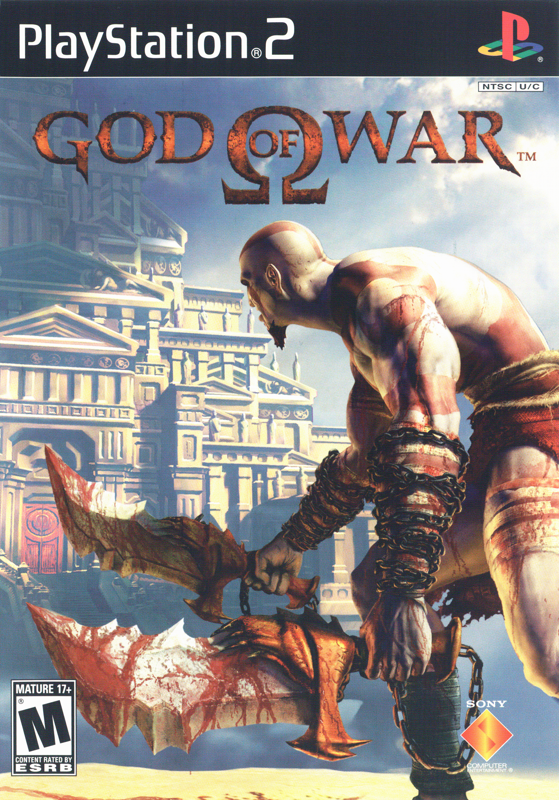
God of War III, demonstrating the console's enduring graphical capabilities.
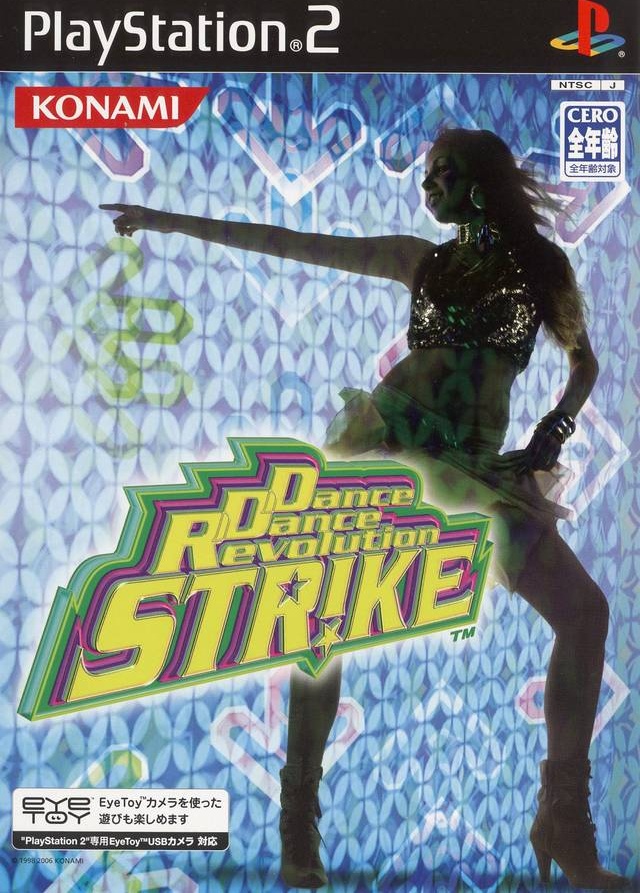
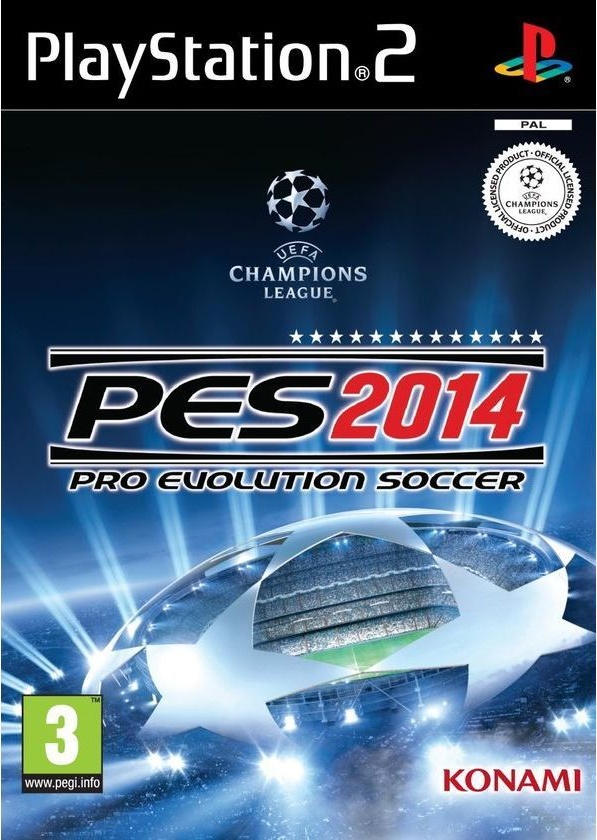
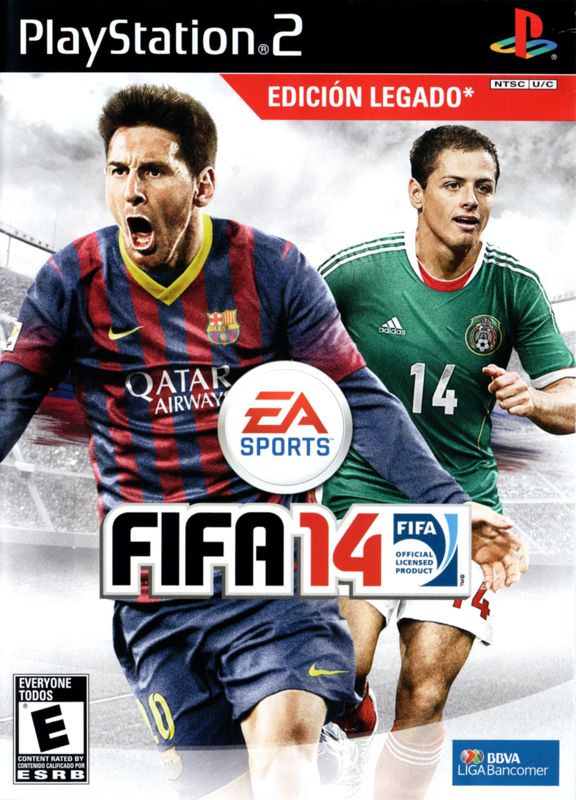
Even as newer hardware took precedence, the PS2's cultural footprint remained immense. It served as the primary gaming platform for a global audience in regions like South Asia and Latin America for years after its discontinuation in 2013. The system's legacy is cemented not just by its sales figures, but by the sheer breadth of its catalog, which includes hundreds of critically acclaimed games across every genre, maintaining relevance and player engagement long after its official successor launched.
_1.png)
_1.png)
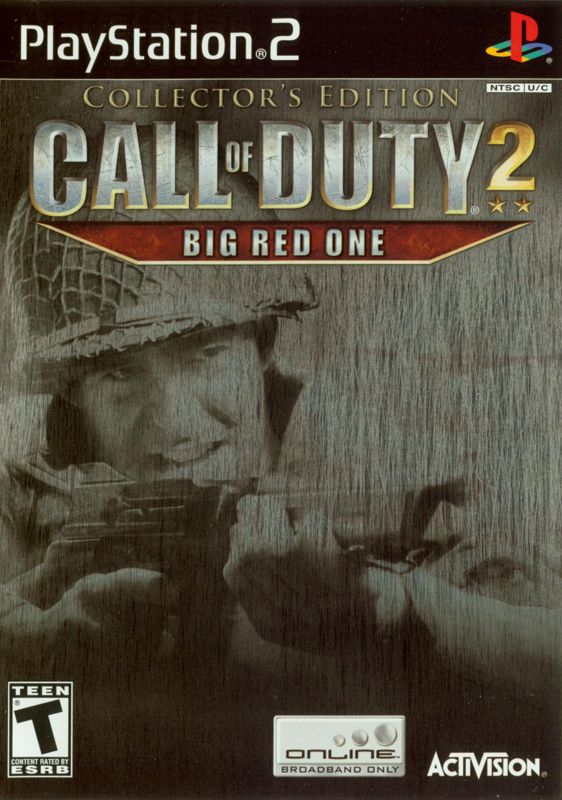
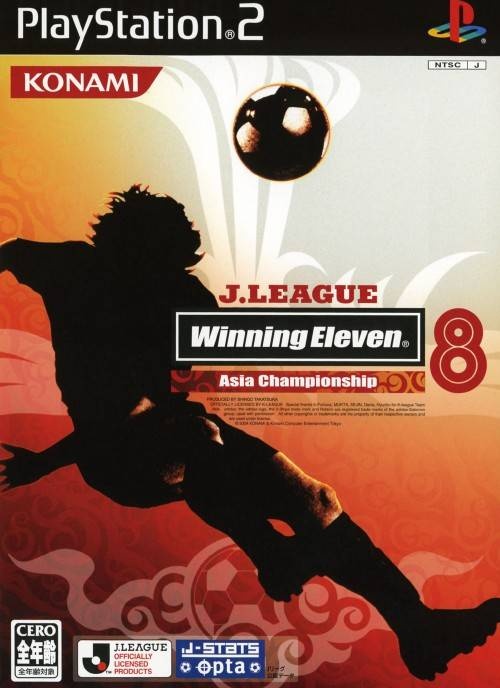
.png)
.png)
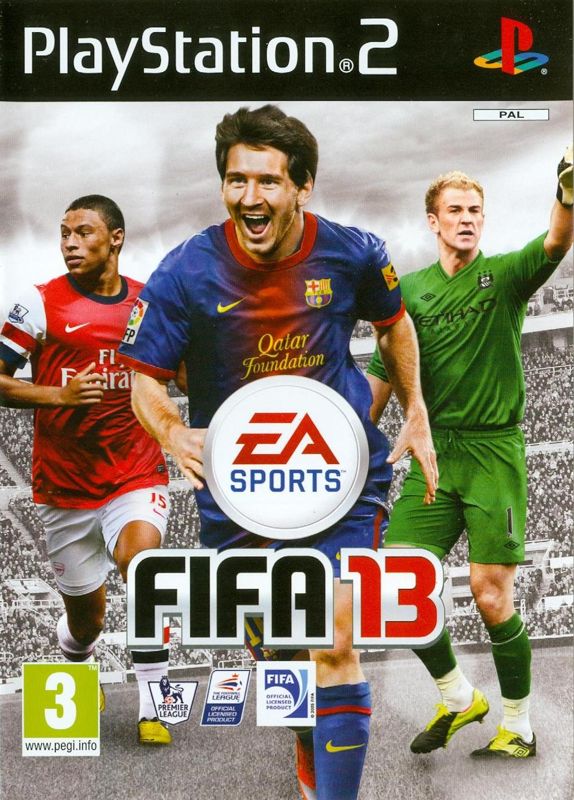
.png)
_1.png)
.png)
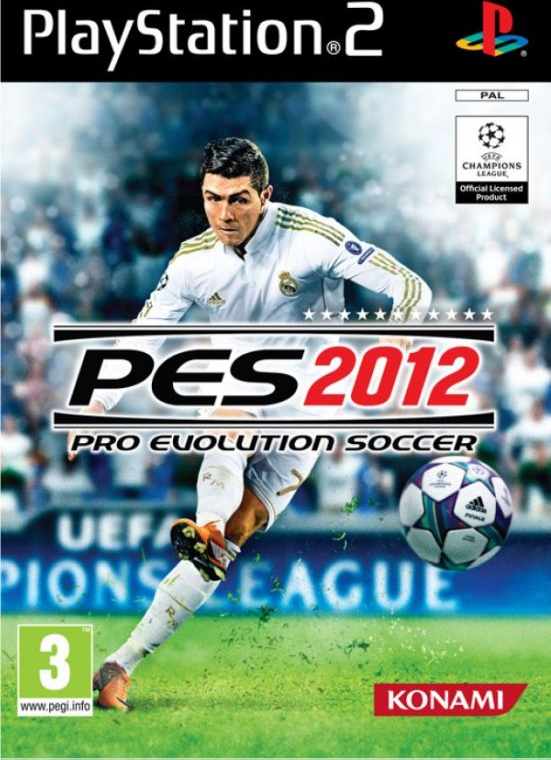

.png)


_Front_Cover.jpg)



.png)
.png)
.png)




.png)
.png)
_Front_Cover.jpg)