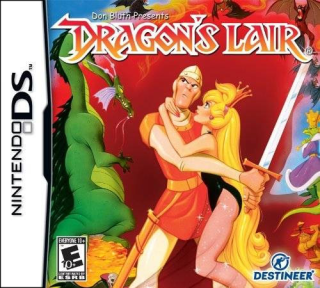
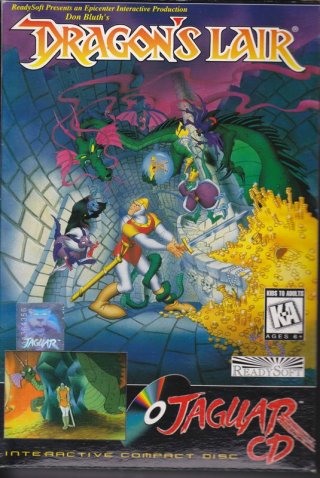
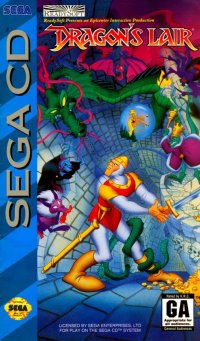
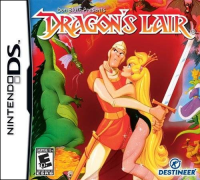
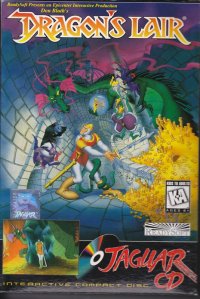
Advanced Microcomputer Systems (AMS) was instrumental in the development of the interactive laserdisc technology that powered the original Dragon's Lair. The studio's work laid the foundation for numerous ports and adaptations of Dragon's Lair across various platforms throughout the 1990s and beyond. Their pioneering design combined traditional animation with branching laserdisc video playback.
The studio's software architecture and design methodologies directly facilitated the mid-1990s home console expansion of the
Dragon's Lair franchise. This era saw the release of multiple platform-specific adaptations, including several versions of
Dragon's Lair in 1994 and 1995, alongside
Dragon's Lair (CD) in 1995. These releases successfully translated the demanding storage requirements of the original arcade laserdisc format to emerging consumer CD-ROM and cartridge hardware.
Beyond the core animated entries, the developer's pioneering work in interactive cinema influenced other narrative-driven titles associated with their portfolio. This includes the 1995 atmospheric horror game
D, which relied heavily on pre-rendered graphics and limited player intervention to tell a cinematic story, and the 2007 action game
Lair. By adapting these titles across diverse platforms, the studio helped transition the franchise from a niche arcade novelty into a foundational pillar of early optical-media console gaming, proving the viability of full-motion video and cinematic storytelling in the home market.