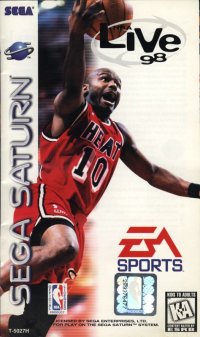
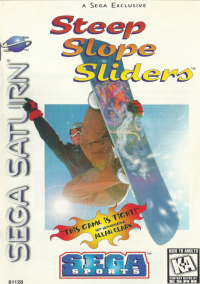
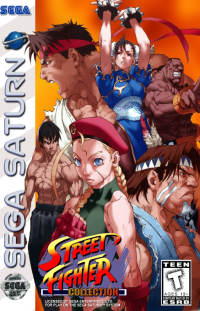
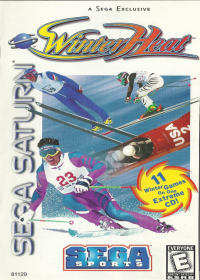
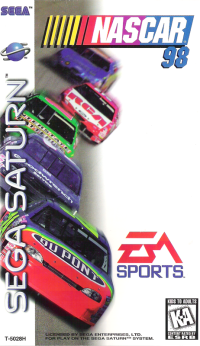
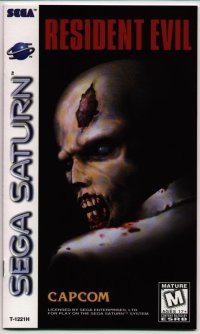
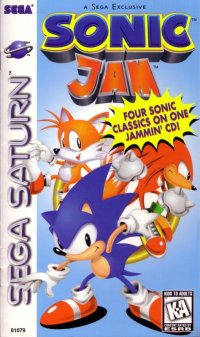
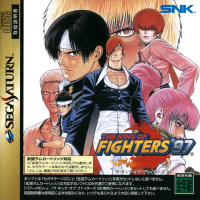
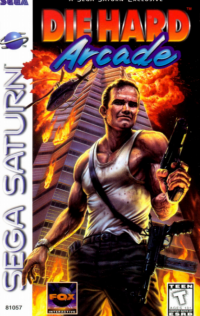
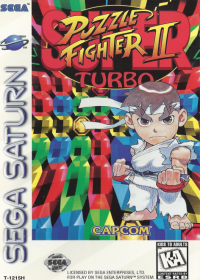
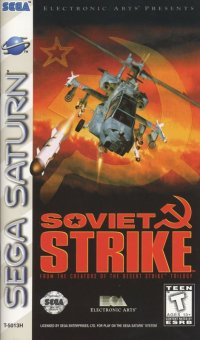
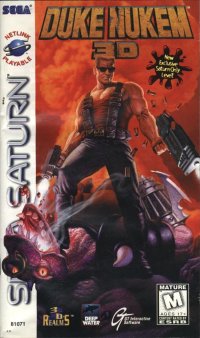
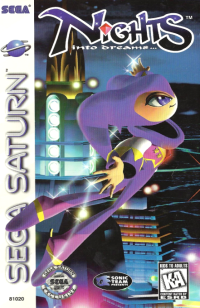
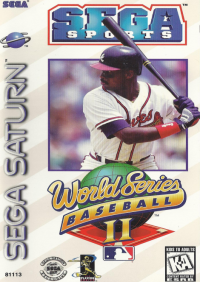
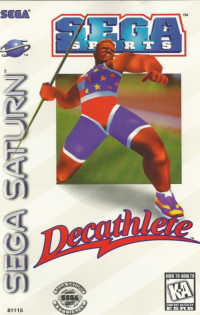
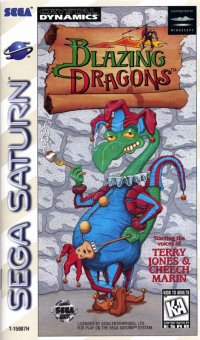
It featured a complex dual-CPU architecture designed for 2D sprite handling and early 3D capabilities. The platform competed with Sony's PlayStation and Nintendo 64 during the fifth generation, eventually discontinuing in 2000 due to market challenges and the release of the Dreamcast.
Launched in Japan in November 1994, the Sega Saturn arrived with a complex dual-CPU architecture intended to streamline 2D sprite handling and support early three-dimensional graphics. Despite technical ingenuity, its high price point and confusing marketing in North America hindered adoption against the more developer-friendly Sony PlayStation. Consequently, the console struggled commercially, leading to its discontinuation in 2000 as Sega pivoted to the Dreamcast.
The system garnered a dedicated cult following through exceptional ports and exclusive titles.
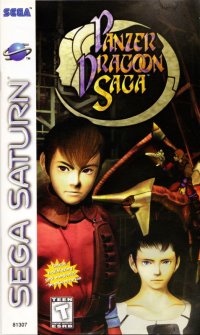
Panzer Dragoon showcased the hardware's 3D polygon capabilities, while
Radiant Silvergun demonstrated its strength in bullet-hell shooters. In fighting games,
Vampire Savior became a fan favorite for its deep mechanics. The library also included sophisticated strategy and simulation titles, such as
Grandia, which offered rich narrative experiences, and various pachislot simulator games like
Pachi Slot Kanzen Kouryaku Universal Collection '97, reflecting the unique Japanese arcade culture that heavily influenced the platform's software lineup.
Although the Saturn failed to achieve mainstream dominance, it preserved a significant portion of Sega's arcade heritage through faithful hardware translations. Its legacy endures among collectors and enthusiasts who appreciate its unique design choices and the high quality of its niche genres. Today, the Saturn is viewed as a technically ambitious platform that, despite its commercial failure, provided a distinctive gaming experience that defined a specific era of hardware innovation.
_1.png)
_1.png)
.png)
.png)
_1.png)
.png)
.png)
.png)
.png)
_1.png)