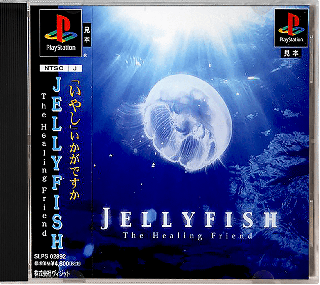
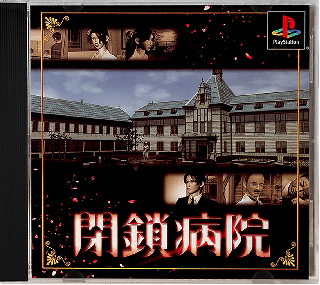
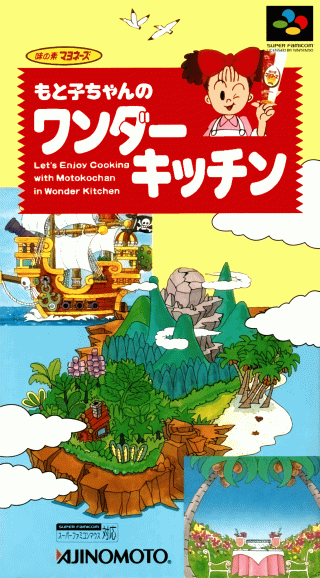
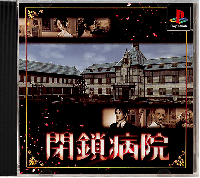
Ajinomoto is best known in video games for sponsoring the Super Famicom promotional game Motoko-chan no Wonder Kitchen in 1993 to market its mayonnaise. Around 2000, the corporation also acted as a publisher for PlayStation titles, including the horror adventure game Heisa Byouin and the virtual pet simulation Jellyfish: The Healing Friend.
The corporation's foray into interactive media began as a promotional strategy to leverage the growing home console market of the 1990s. For
Motoko-chan no Wonder Kitchen, the company partnered with Nintendo to distribute the game exclusively through a mail-in lottery system. Players had to mail in proof-of-purchase barcodes from food products to win one of the limited 10,000 cartridges produced. The gameplay integrated real-world culinary trivia and step-by-step cooking instructions that highlighted the sponsor's ingredients.
Transitioning from promotional giveaways to commercial publishing at the turn of the millennium, the company established a short-lived software division. This branch targeted niche genres on the original PlayStation. For
Heisa Byouin, they backed a first-person psychological horror title that tasked players with navigating and escaping a derelict medical facility. Concurrently,
Jellyfish: The Healing Friend targeted the virtual pet craze of the era, offering a slow-paced, relaxing simulation designed to alleviate user stress through ambient interactions. These releases marked the end of the company's direct involvement in game publishing, leaving a legacy of highly collectible, genre-spanning oddities.