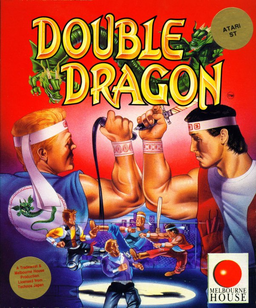
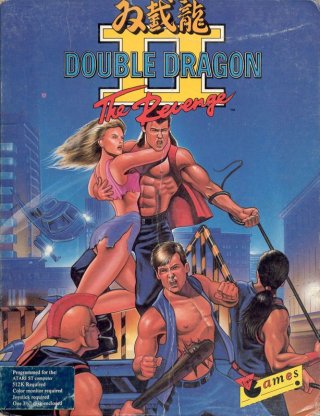
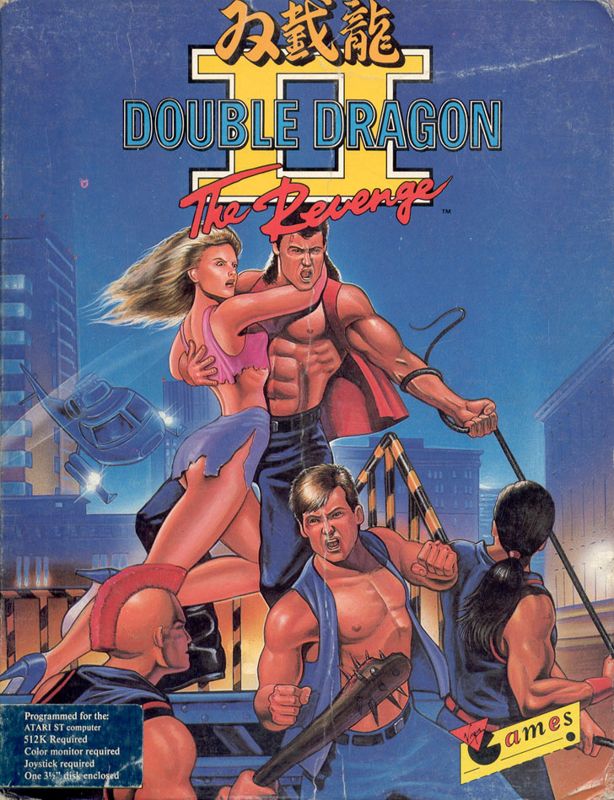
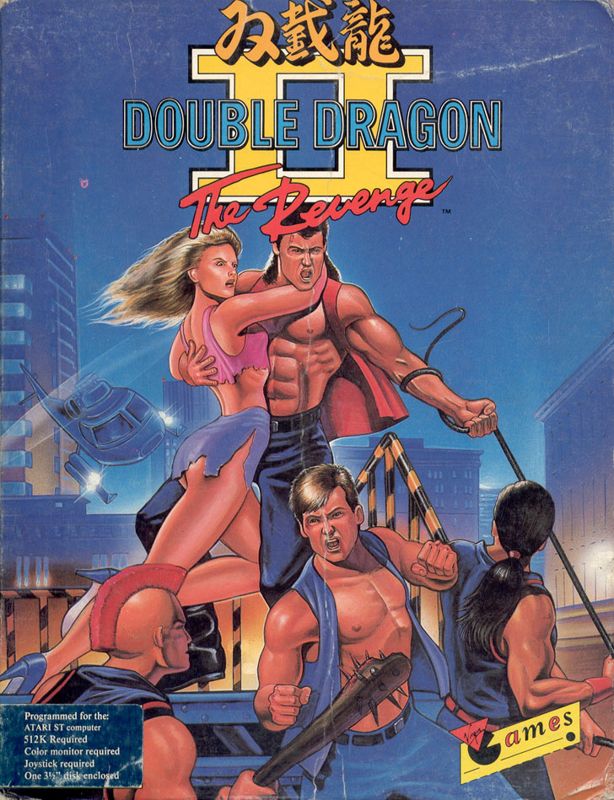
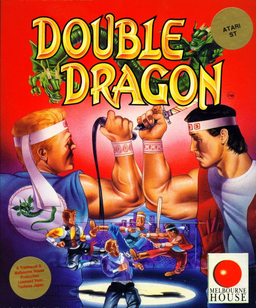
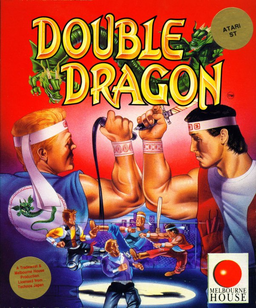
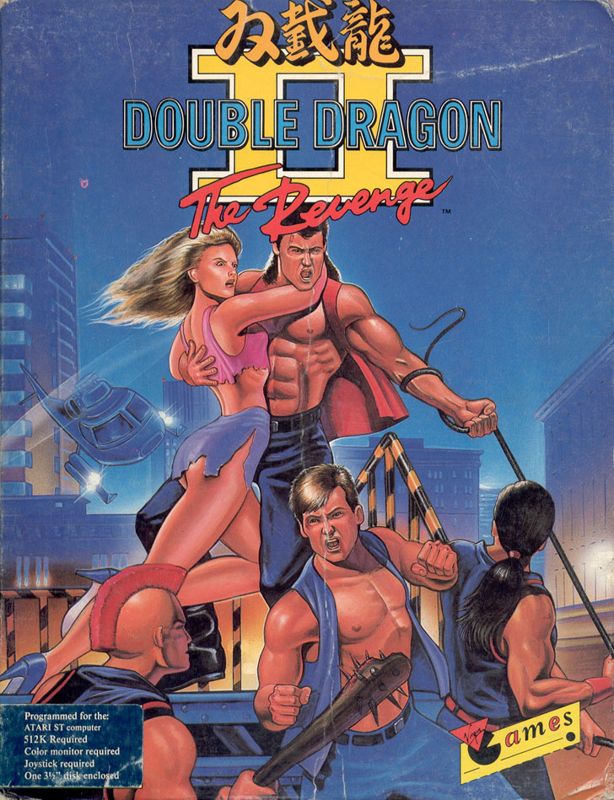
Binary Design was a UK-based development studio that specialized in creating games and porting arcade hits to 8-bit and 16-bit home computers. They developed the computer versions of the popular beat 'em up Double Dragon (1989) and its sequel Double Dragon II: The Revenge (1988). The studio also developed sports simulations, including Steve Davis World Snooker (1989).
The studio's work on the
Double Dragon franchise represented a major technical undertaking, translating complex arcade hardware to diverse home systems. For the 1989 home computer ports of
Double Dragon, the team adapted the cooperative beat 'em up gameplay, distinct martial arts moves, and multi-layered environments for platforms with highly varied memory and graphical limitations. This success secured their role in developing the computer versions of
Double Dragon II: The Revenge (1988), where they refined the combat mechanics and directional attack systems to match the arcade sequel's design.
Alongside these action titles, the developer demonstrated versatility by programming
Steve Davis World Snooker (1989), which required precise physics and tactical simulation rather than fast-paced sprite scaling. Founded in Manchester by Andy Webb, the studio frequently collaborated with major publishers of the era, including Melbourne House and Mastertronic. This high-profile output made the company an attractive target for acquisition, leading to its purchase by French publisher Infogrames, which integrated the development team to expand its UK operations.