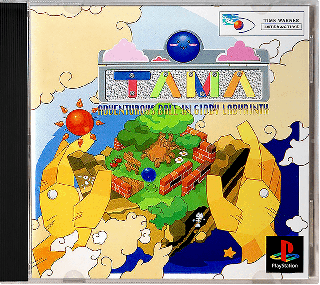
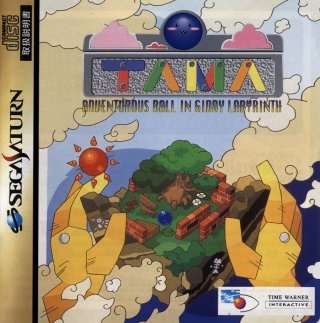
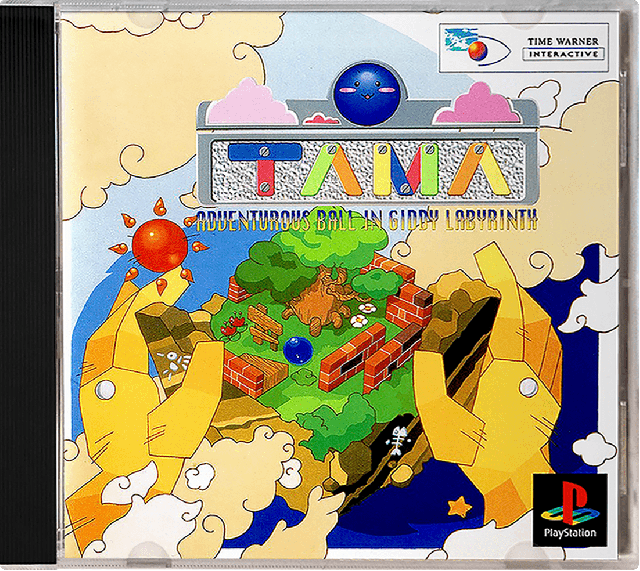
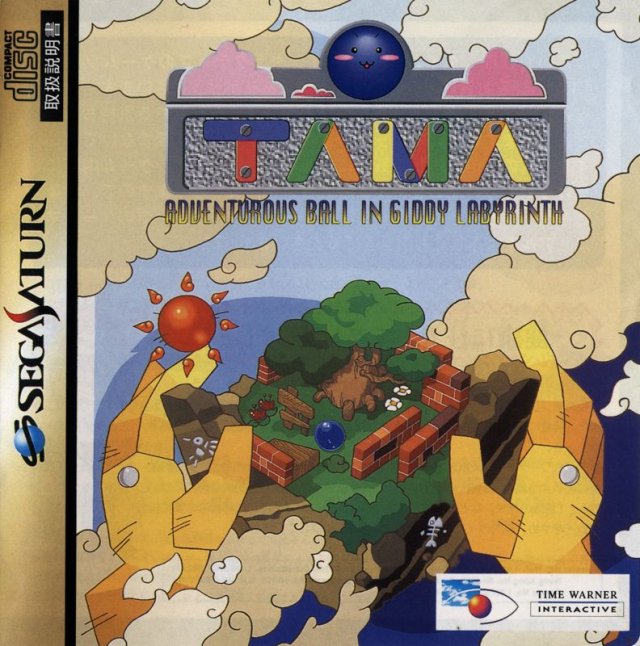
Operating as the Japanese subsidiary of Time Warner's interactive division, the studio utilized early 32-bit hardware to experiment with novel control schemes and 3D simulation. For
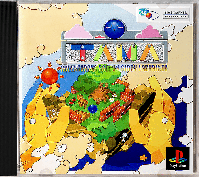
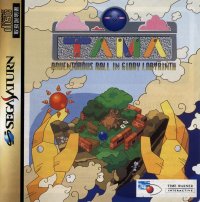
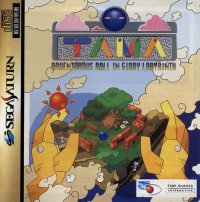
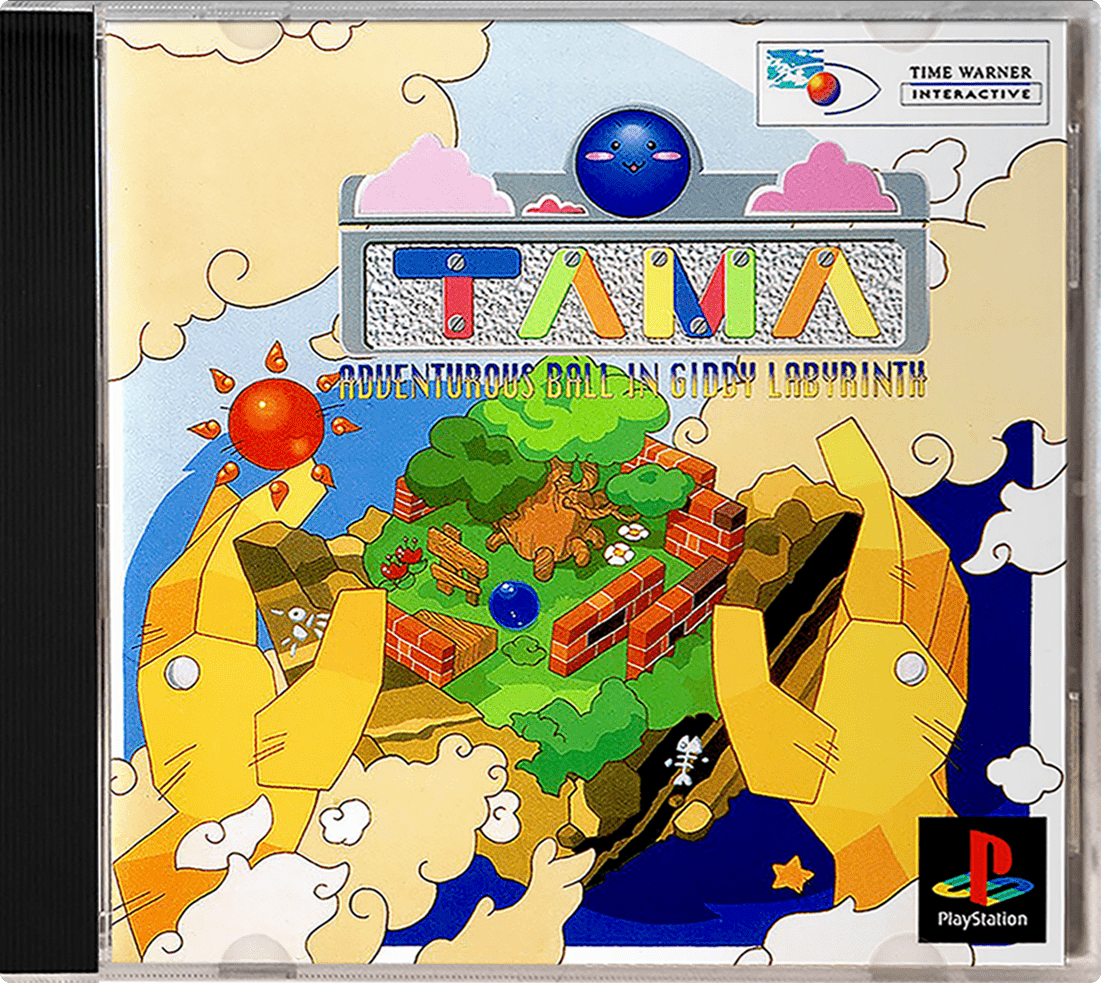
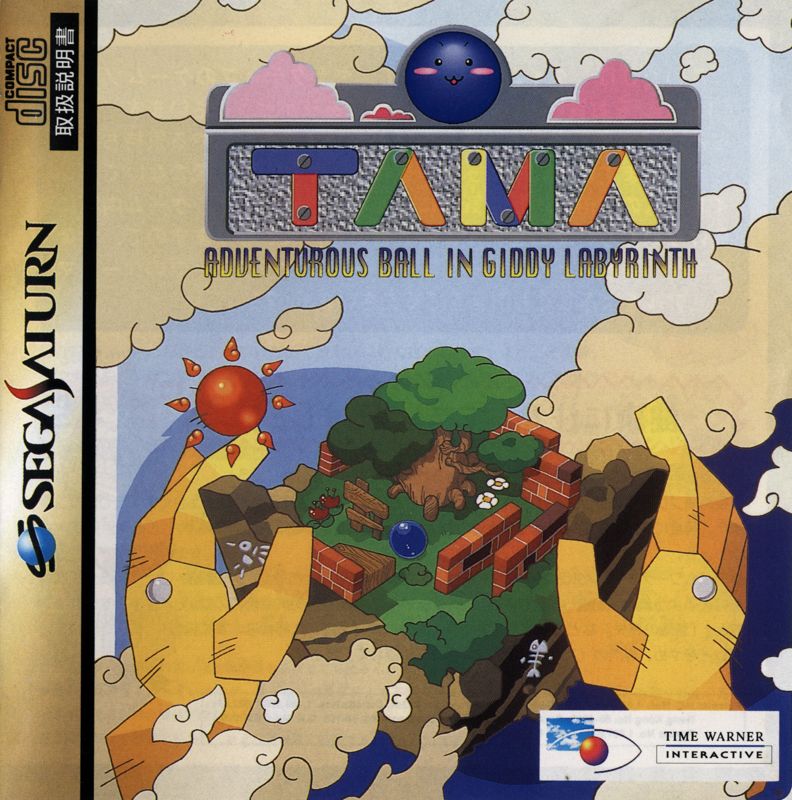
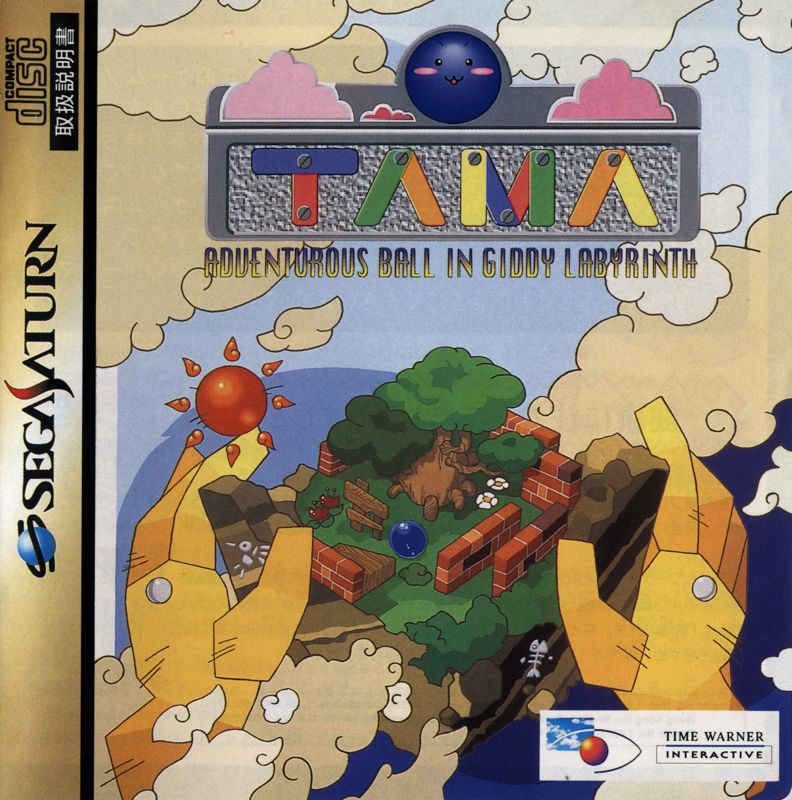
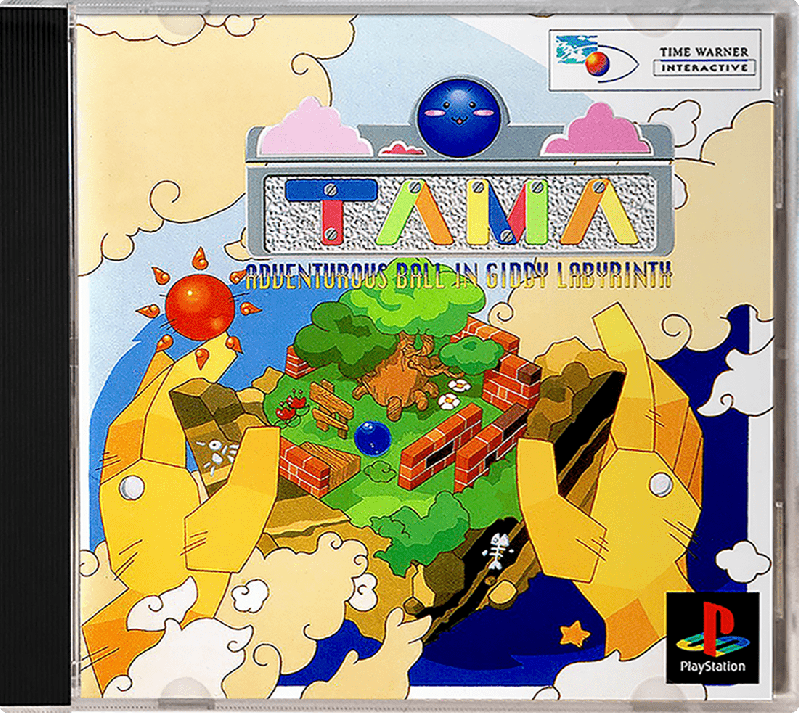
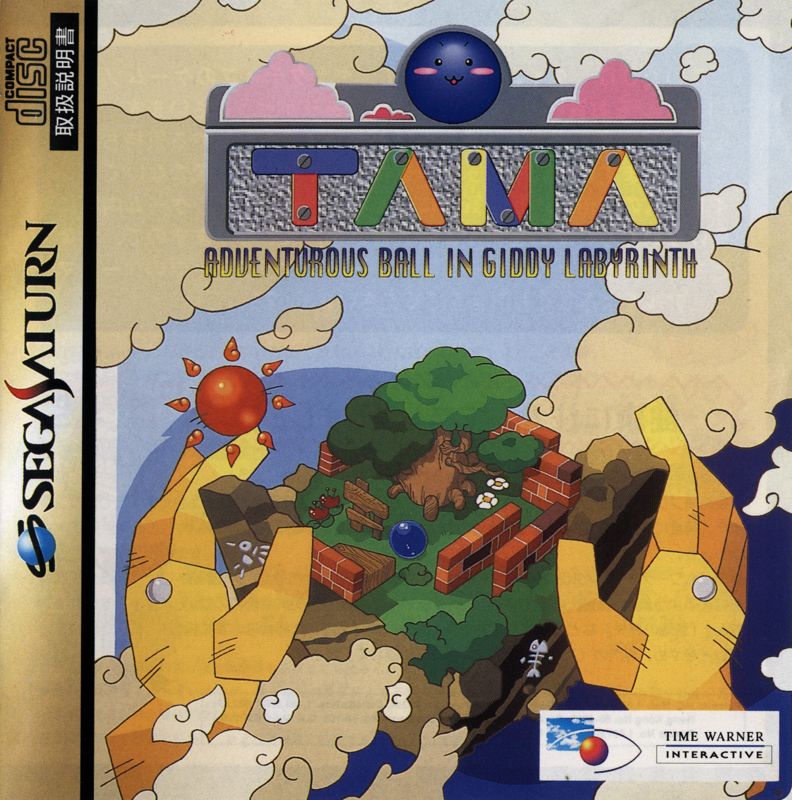
Tama: Adventurous Ball in Giddy Labyrinth, the development team integrated pre-recorded full-motion video of a live-action cat, also named Tama, who reacted dynamically to the player's performance. This aesthetic choice complemented the game's physics engine, which simulated the tilting mechanics of traditional wooden labyrinth toys.
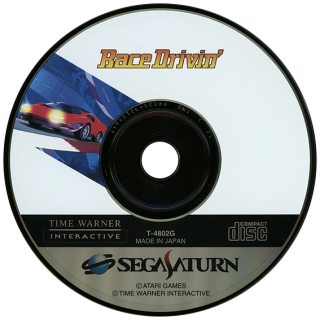
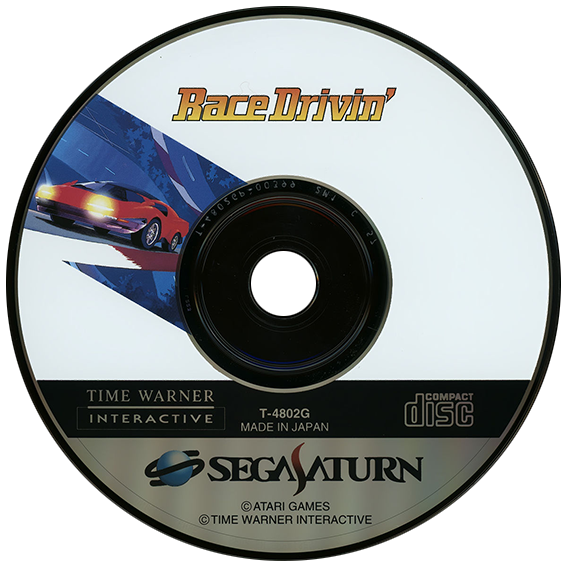
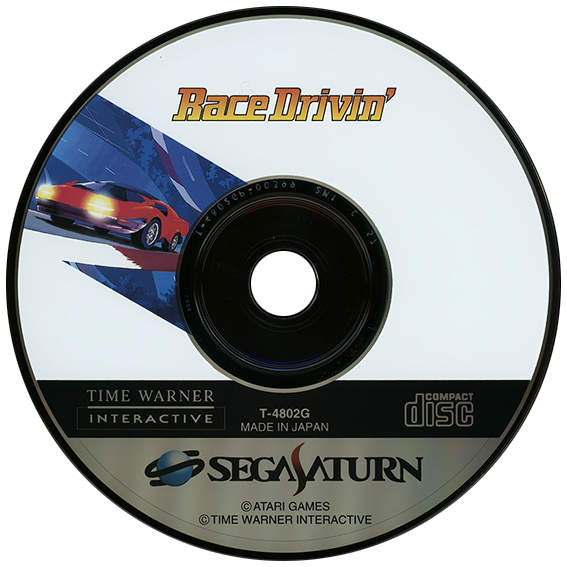
In adapting
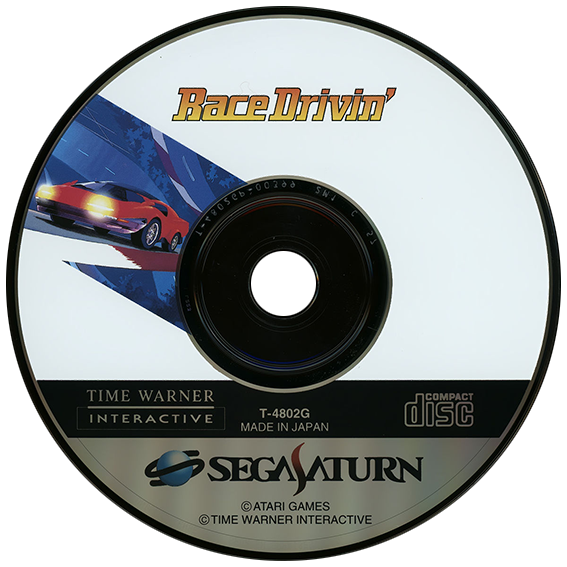
Race Drivin', the studio faced the technical challenge of translating Atari's pioneering, polygon-heavy arcade architecture to home hardware. This port retained the original's demanding driving physics and stunt tracks, serving as a key historical link between 1980s arcade simulation and the 32-bit home console era. The division's focus on these specific properties reflected a broader corporate strategy to bridge Western arcade properties with Japanese console audiences before the parent company's assets were acquired by WMS Industries in 1996.
Tengen Inc. (Japan)
Tengen Ltd.