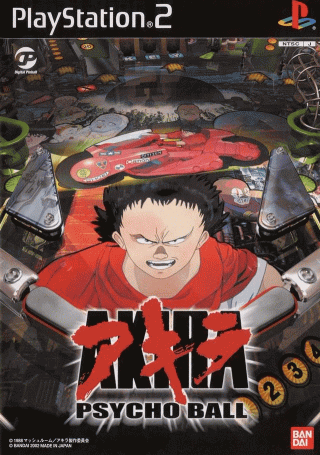
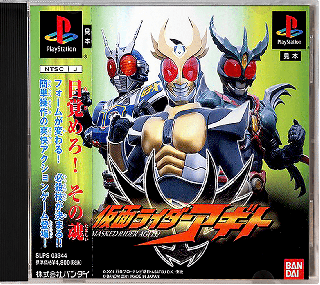
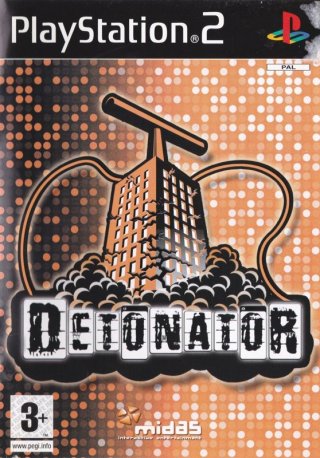
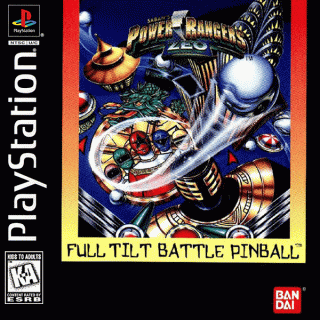
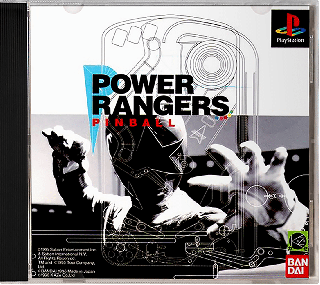
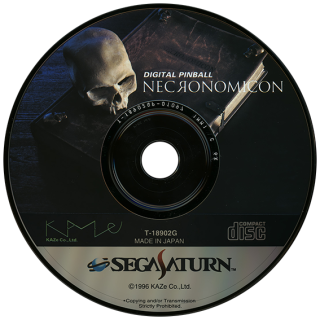
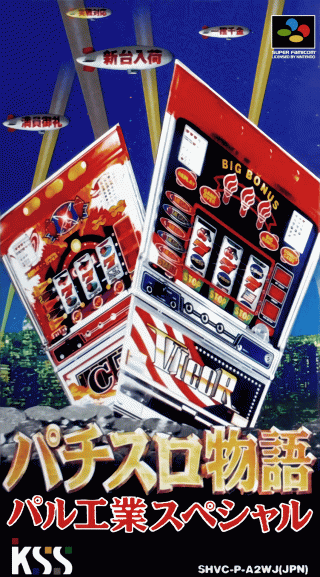
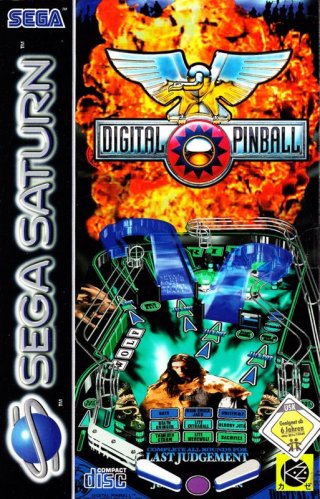
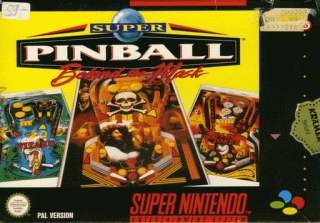
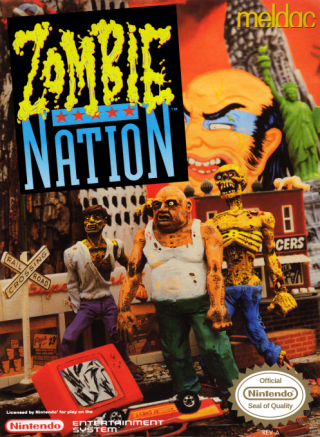
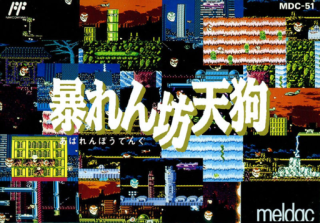
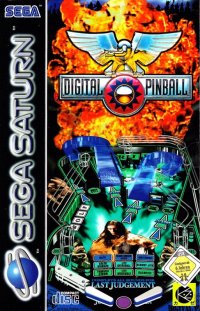
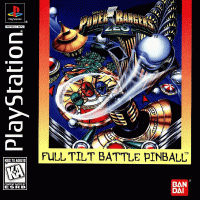
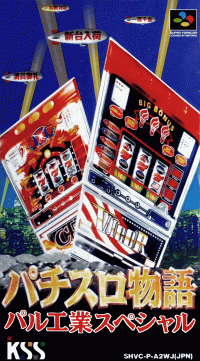
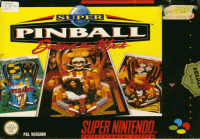
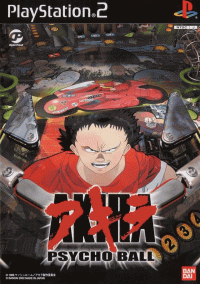
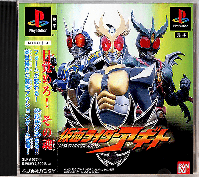
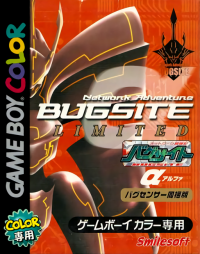
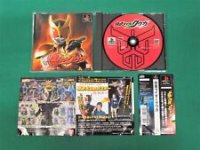
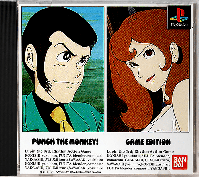
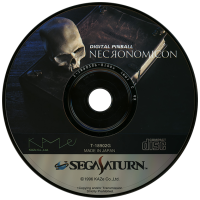
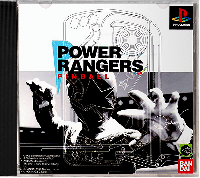
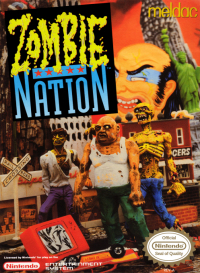
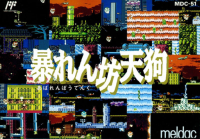
Kaze developed the cult classic shoot 'em up Abarenbou Tengu (released in North America as Zombie Nation) and became highly regarded for its realistic pinball simulations, including Super Pinball Behind the Mask, Digital Pinball, and Digital Pinball: Necronomicon. The studio also developed licensed titles such as Power Rangers Pinball and various Pachi-Slot simulators, alongside entries in the Kamen Rider franchise.
Operating during the 1990s, the developer established a distinct niche by blending unconventional themes with precise mechanical physics. Within the broader
Kamen Rider franchise ecosystem, these titles represented a unique diversification of the intellectual property into experimental genres. The surreal narrative of
Abarenbou Tengu (released internationally as
Zombie Nation) challenged traditional shooter conventions, while the technical execution of
Super Pinball Behind the Mask and the
Digital Pinball series, including
Digital Pinball: Necronomicon, showcased advanced physics engines that influenced subsequent digital recreations of physical machines.
The studio's work on licensed properties, such as
Power Rangers Pinball, further bridged Japanese tokusatsu culture with interactive entertainment. This crossover appeal was mirrored in their simulation titles, including
Pachi-Slot Monogatari: Universal Special and
Pachi-Slot Monogatari: Paru Kougyou Special, which captured the specific mechanics of Japanese parlor gaming. Through these releases, the developer contributed to the expansion of the
Kamen Rider media landscape, demonstrating how tokusatsu aesthetics and themes could be adapted into specialized gaming formats ranging from pinball tables to gambling simulations.