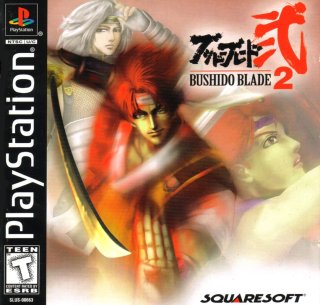
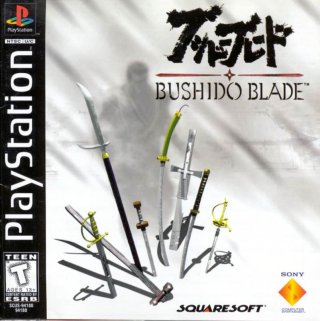
Founded in the 1980s, Light Weight developed the innovative motorcycle game Top Rider with a specialized controller bundle in 1988. The studio achieved major recognition in the late 1990s by developing the highly realistic, weapon-based fighting games Bushido Blade and Bushido Blade 2 for Square. They continued their focus on historical Japanese combat with titles like Kabuki Warriors, Zan Kabuki, and the Kengo series, including Kengo 3.
The Famicom release of
Top Rider (1988) stood out in the 8-bit era by utilizing an inflatable, life-sized toy motorcycle that players sat on, translating physical handlebar movements directly into the digital race. This early experimentation with hardware-software integration set a precedent for the developer's later focus on immersive, unconventional gameplay mechanics.
When transitioning to 3D hardware, the studio redefined fighting game conventions with
Bushido Blade (1997) and
Bushido Blade 2 (1998). These titles discarded traditional genre tropes like health bars and time limits, introducing the "Body Damage System" where a single, precise strike to the head or torso could end a match instantly. This high-stakes realism required players to master defensive parries, stance shifts, and environmental geometry.
The developer later adapted these swordplay mechanics into theatrical and historical contexts.
Kabuki Warriors (2001) and
Zan Kabuki (2002) blended weapon combat with the stylized aesthetics, music, and dramatic posturing of traditional Japanese theater. This lineage culminated in
Kengo 3 (2004), which expanded the tactical combat engine into a deeper role-playing experience, allowing players to train at historical dojos, customize their sword techniques, and duel famous historical figures across Edo-period Japan.