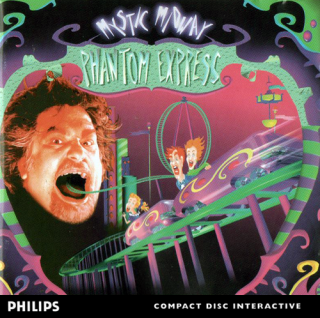
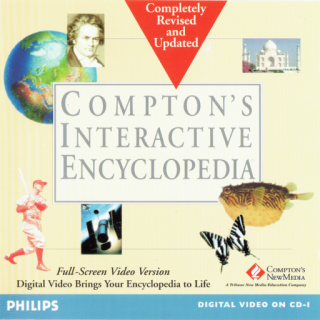
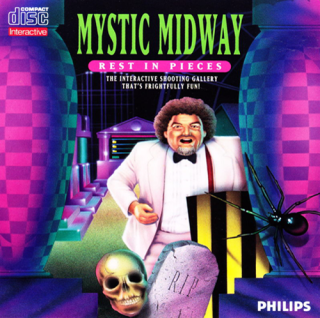
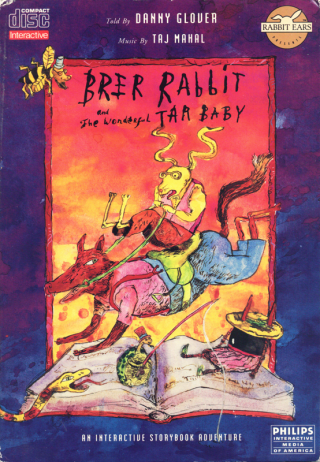
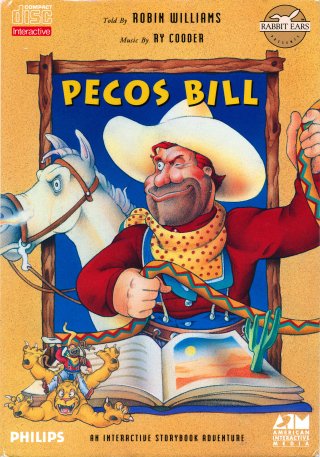
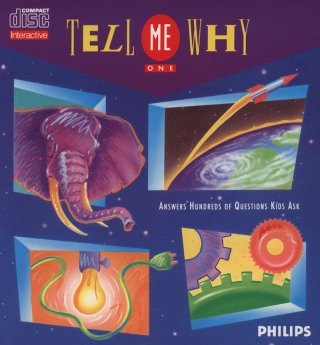
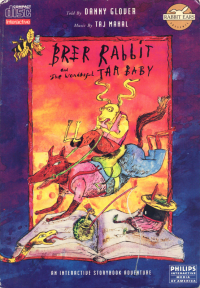
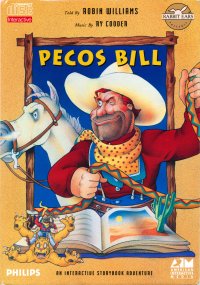
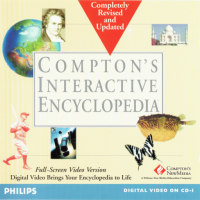
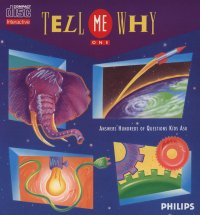
Philips acted as both hardware creator and software publisher for the Philips CD-i System, aiming to pioneer interactive multimedia in the early 1990s. The company developed and published educational and storybook titles like Brer Rabbit and the Wonderful Tar Baby, Pecos Bill, Tell Me Why One, and Compton's Interactive Encyclopedia. They also published early CD-i games such as the laserdisc-style shooter Mystic Midway: Rest in Pieces and its sequel Mystic Midway: Phantom Express.
To establish the
Philips CD-i System (1991) in the consumer market, the company utilized the
Magnavox CDi 470 (1990) player as a bridgehead for early adopters. Software development focused heavily on utilizing the storage capacity of the compact disc format. For younger audiences, Philips adapted traditional American folklore into interactive formats, releasing
Brer Rabbit and the Wonderful Tar Baby (1991) and
Pecos Bill (1991). These titles featured narrated story segments combined with basic point-and-click interactions.
In the educational sector, the release of
Tell Me Why One (1991) targeted inquisitive children with video-based answers to common questions, while
Compton's Interactive Encyclopedia (1992) demonstrated the platform's utility as a serious reference tool for schools and homes. For the arcade-style market, Philips collaborated with developers to produce the
Mystic Midway series.
Mystic Midway Rest in Pieces (1992) introduced players to a supernatural shooting gallery hosted by the character Dr. Death, a formula refined in the sequel
Mystic Midway Phantom Express (1993) which added roller-coaster-style movement. These releases collectively defined the platform's transition from a high-end utility to a dedicated gaming machine.