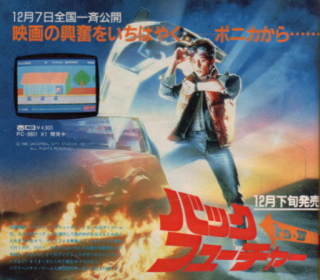
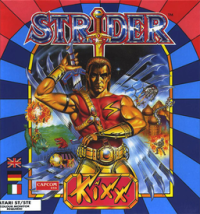
Active during the 8-bit and 16-bit eras, Ponyca published and developed titles for platforms like the MSX and NES. The brand is known for releasing the 1985 MSX adaptation of Back to the Future, as well as Japanese home ports of Capcom arcade hits like Strider, Strider II, and MERCS. They also handled Japanese localizations for major Western releases, including FIFA Road to World Cup 98 and A Bug's Life.
Operating as the video game publishing division of the Japanese media conglomerate Pony Canyon, the brand leveraged its parent company's entertainment industry connections to secure major international licenses. The company's landmark project within the
Back to the Future franchise established its strategy of adapting Hollywood properties for domestic consumers, translating the cinematic narrative of the 1985 film into an interactive format.
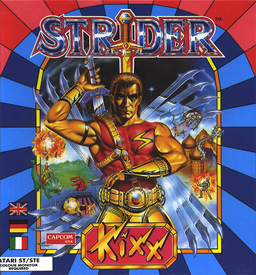
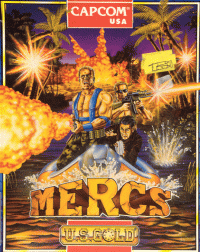
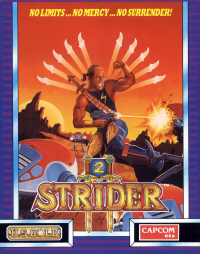
During the late 1980s and early 1990s, the publisher maintained a strong relationship with Capcom, facilitating the home console presence of major arcade intellectual properties. This partnership resulted in the domestic distribution of the futuristic action-platformer
Strider, its European-developed sequel
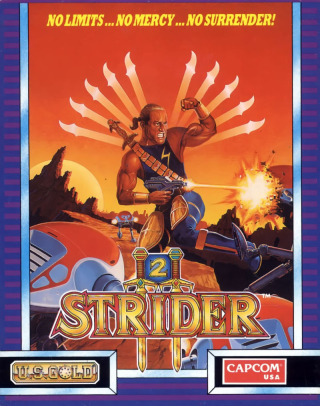
Strider II (also distributed under the
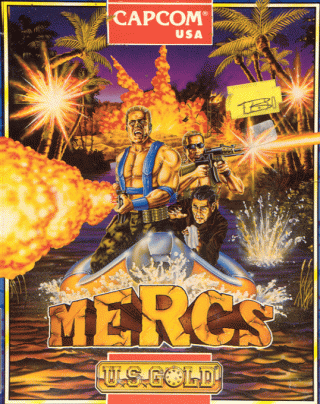
Strider II [Kixx] label), and the top-down run-and-gun shooter
MERCS.
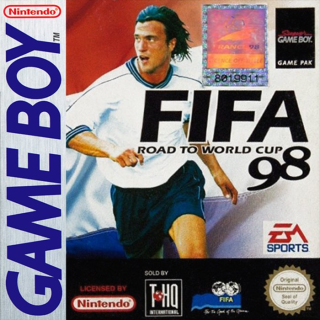
As hardware transitioned to 32-bit systems, the brand shifted focus toward international localization. It served as the bridge for major Western franchises entering the Japanese market, managing the regional adaptation of Electronic Arts' sports simulation
FIFA Road to World Cup 98 and Disney's movie tie-in
A Bug's Life. Through these specific software lines, the brand functioned as a key intermediary between Western pop culture, arcade hits, and Japanese home console players.