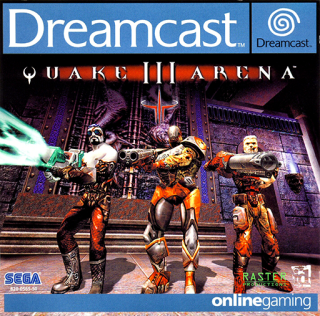
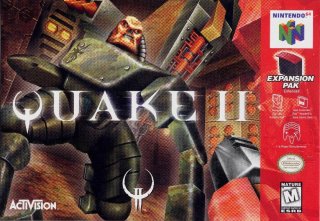
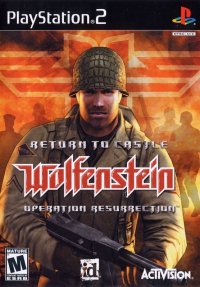
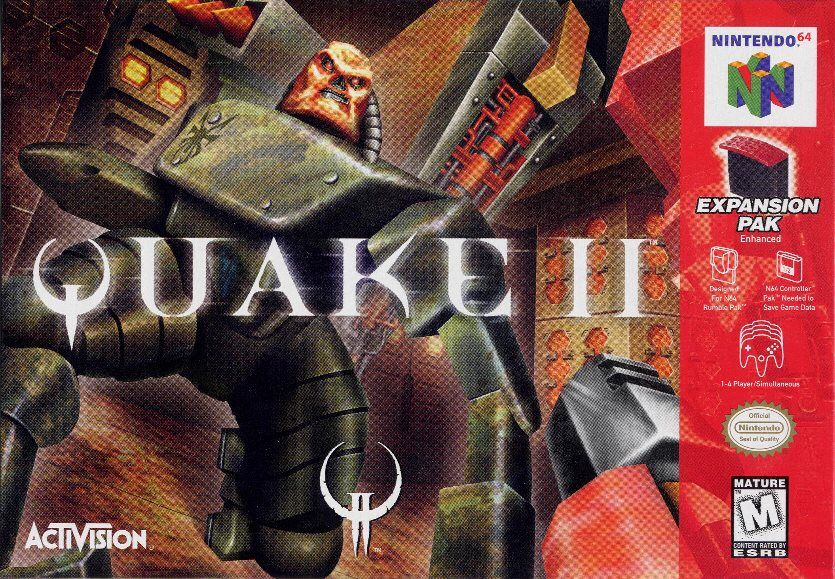
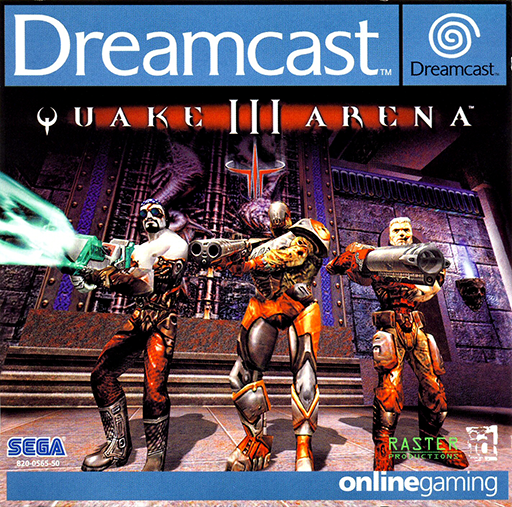
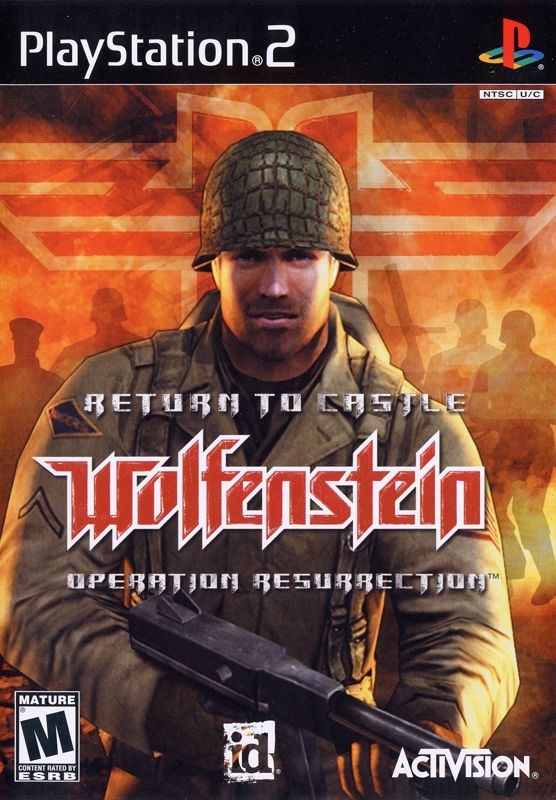
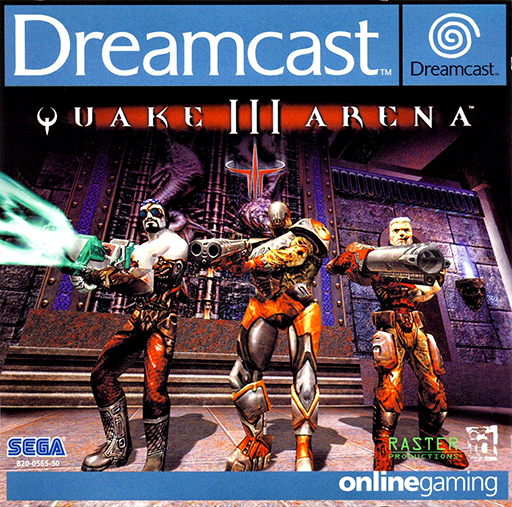
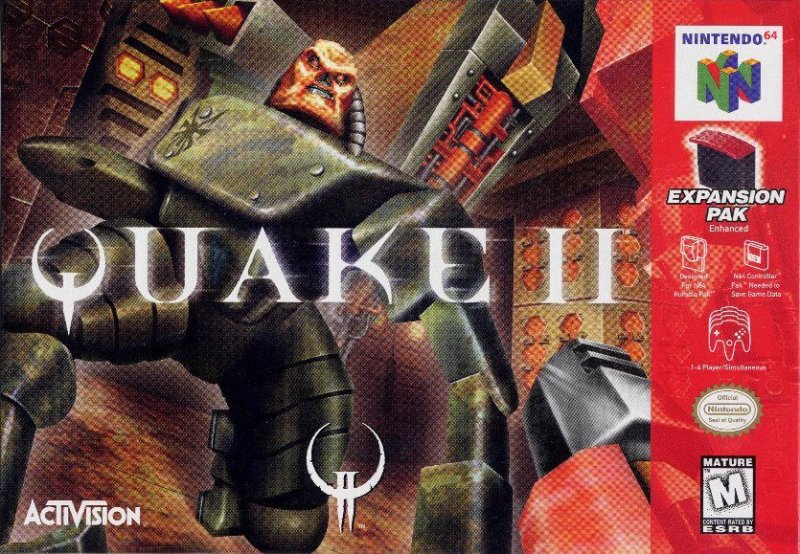
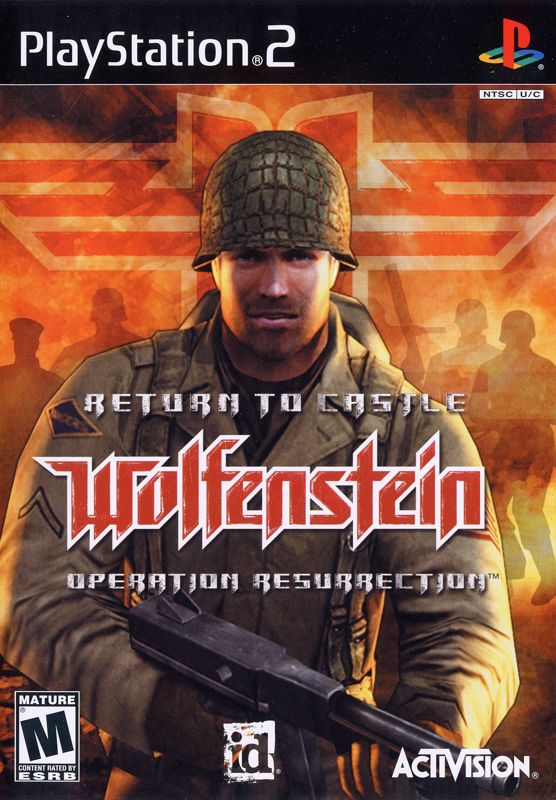
Raster Productions (often credited simply as Raster) specialized in console conversions of major PC first-person shooters. The studio developed the Nintendo 64 port of Quake II in 1999 and the Sega Dreamcast version of Quake III Arena in 2000. They also contributed to the console releases of the Return to Castle Wolfenstein franchise, helping bring the series to a wider audience.
To achieve the necessary technical translation for
Quake II (1999), the developer bypassed a direct port of the PC code, instead building the game on a modified version of the
Doom 64 engine. This allowed them to introduce exclusive levels and real-time lighting effects tailored specifically to the host hardware's strengths. For
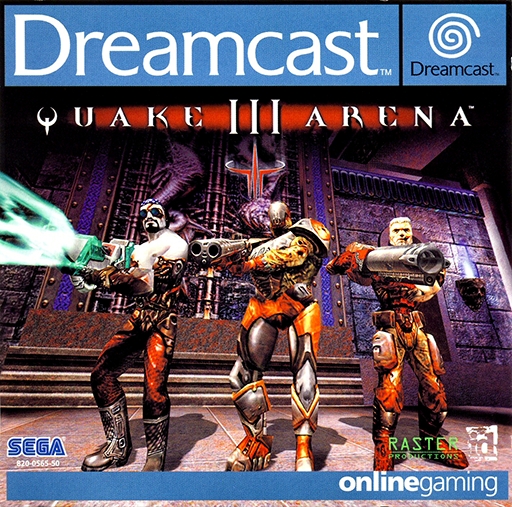
Quake III Arena (2000), the team focused heavily on network optimization, delivering one of the earliest high-speed online multiplayer experiences on home consoles, supporting up to four players online.
Within the
Return to Castle Wolfenstein franchise, the studio's efforts culminated in the 2006 releases, where they refined the complex controls and interface of the PC original to suit television screens and gamepads. By collaborating with primary developers like id Software and Gray Matter, they preserved the atmospheric, supernatural narrative and team-based multiplayer dynamics. This technical expertise in adapting id Tech engines ensured these historically PC-bound properties achieved commercial viability and critical acclaim on alternative platforms, cementing the developer's reputation as a vital pipeline for bringing hardcore first-person shooters to the broader console audience.