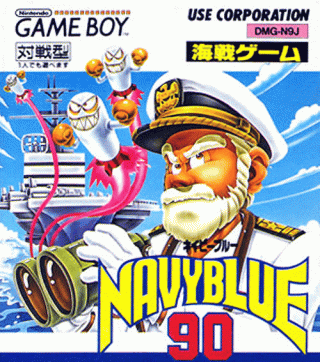
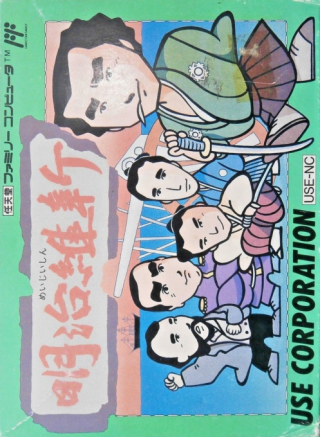
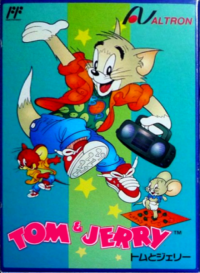
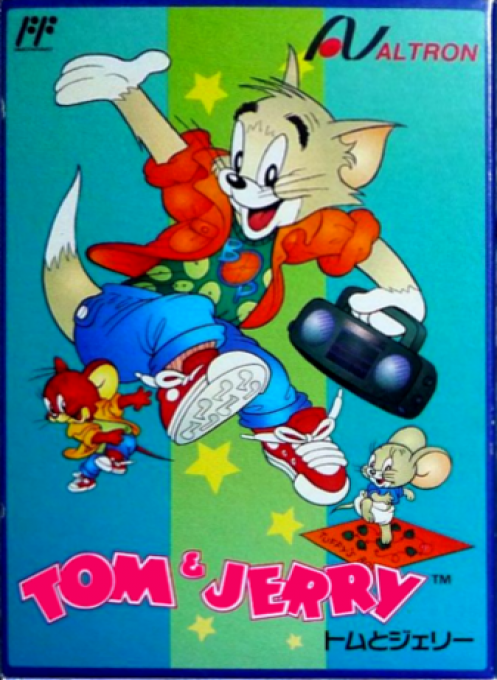
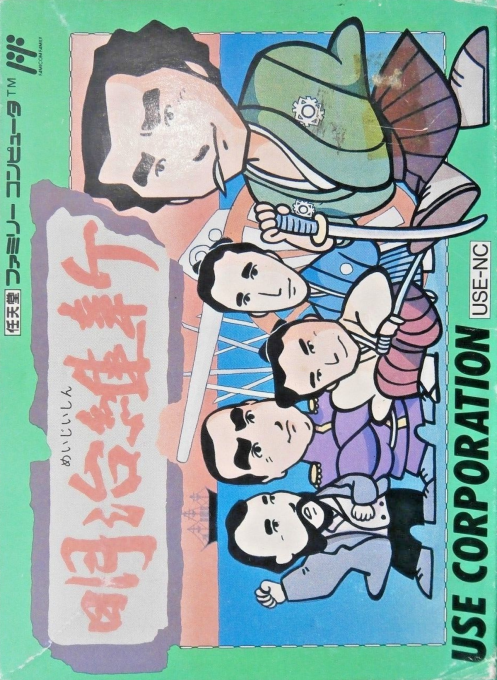
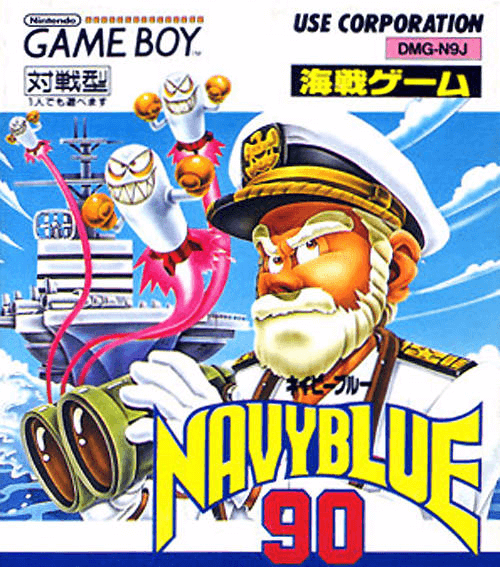
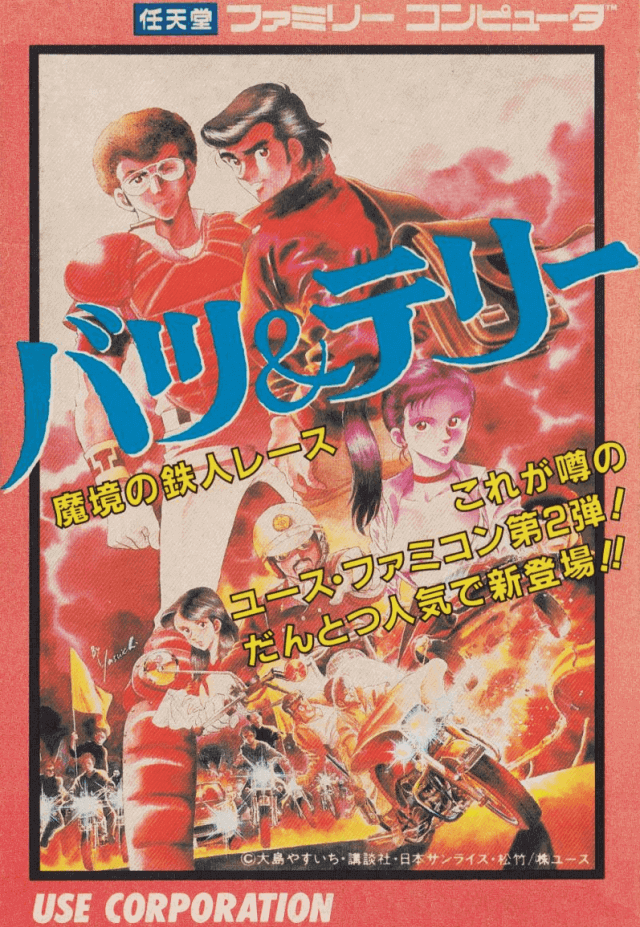
Use (also known as Use Co., Ltd.) was a Japanese game development studio that created titles across various platforms. They developed the naval strategy game Navy Blue (1989) and its sequels Navy Blue 90 and Navy Blue (1992), as well as the Game Boy adaptation of Tom & Jerry (1992). The company also worked on anime-licensed titles like Batsu & Terii (1987) and historical simulation games like Meiji Ishin (1989).
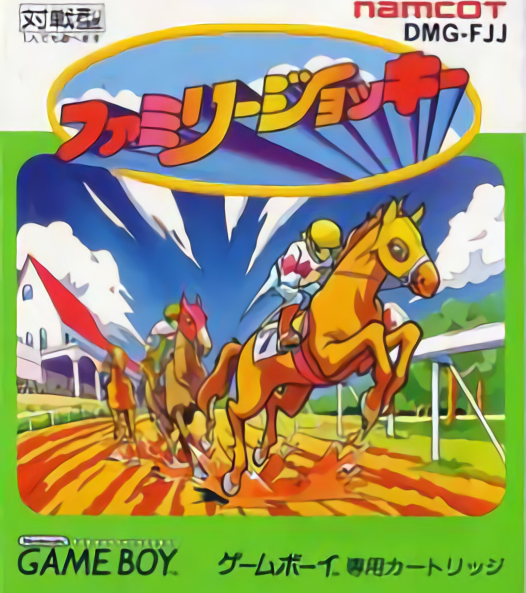
Active during the Famicom and Game Boy eras, the developer specialized in adapting established intellectual properties and genre formulas for Nintendo platforms. For
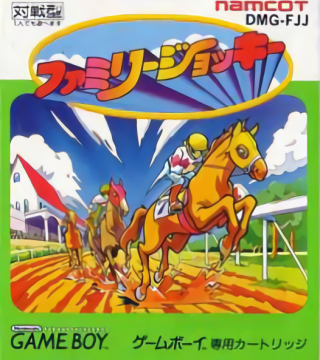
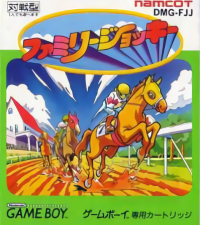
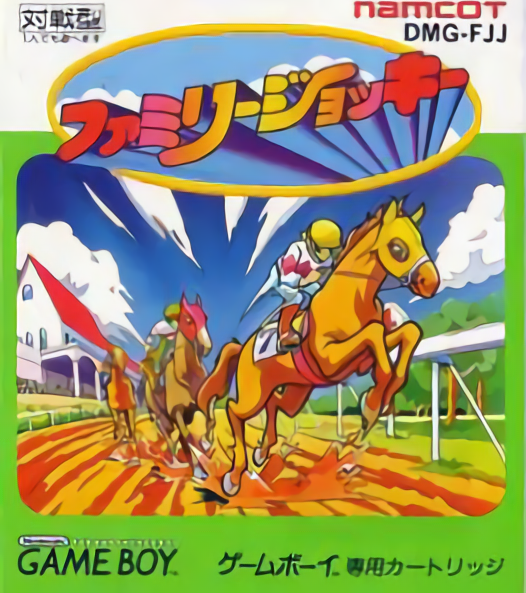
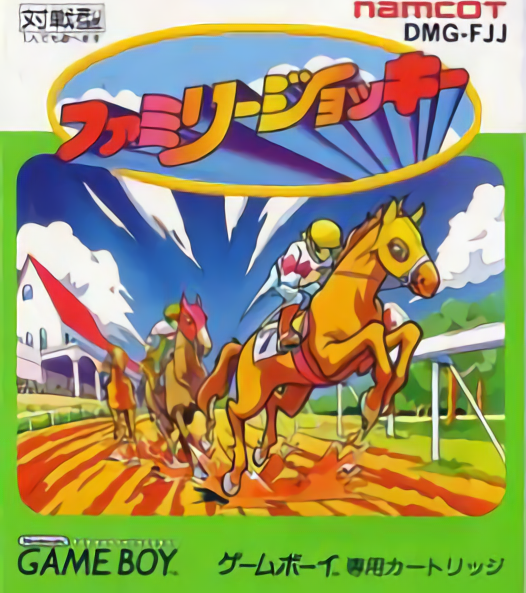
Family Jockey (1991), the studio transitioned Namco's popular horse racing franchise to the Game Boy, incorporating breeding mechanics and real-time obstacle racing. Their work on the
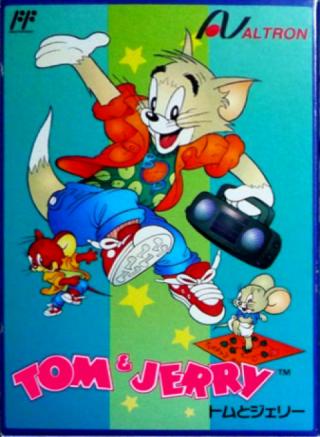
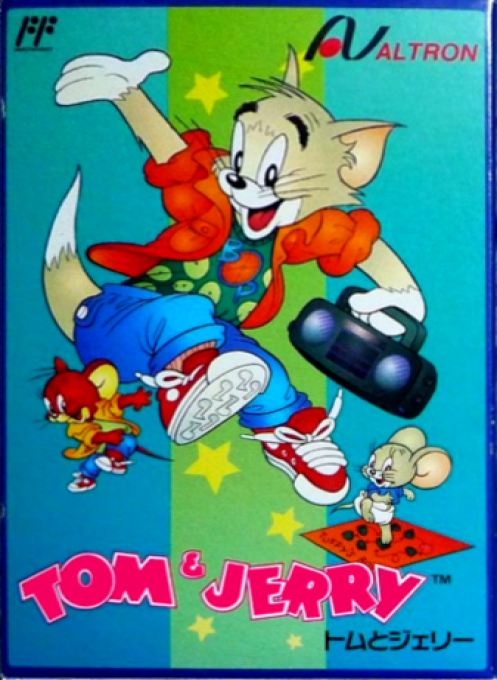
Tom & Jerry (1992) handheld title delivered a side-scrolling puzzle-platformer where players guided Jerry through hazard-filled household stages while avoiding Tom, capturing the slapstick humor of the classic cartoon franchise.
In the strategy genre, the
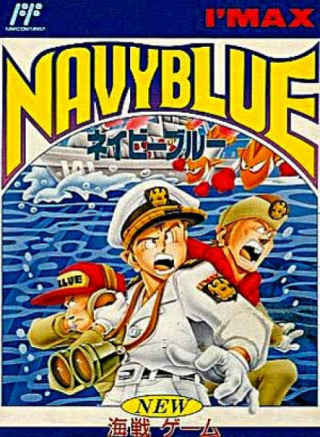
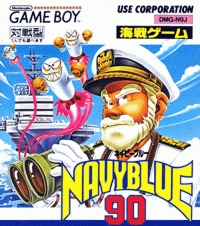
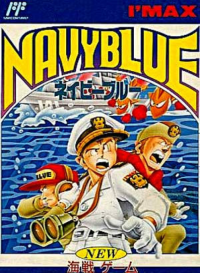
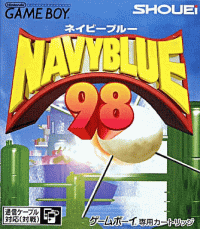
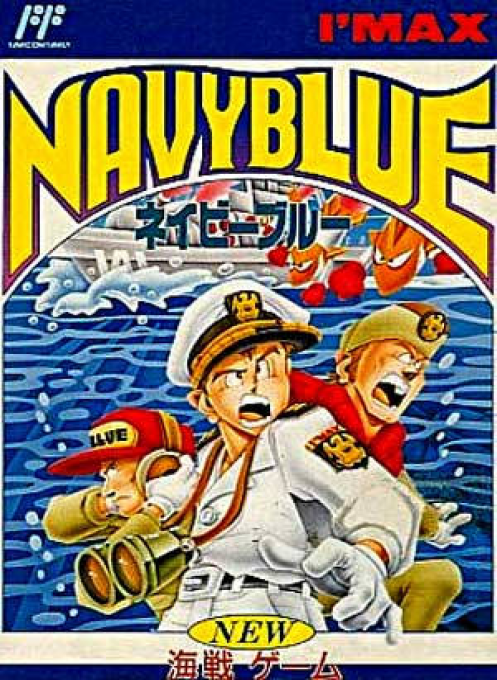
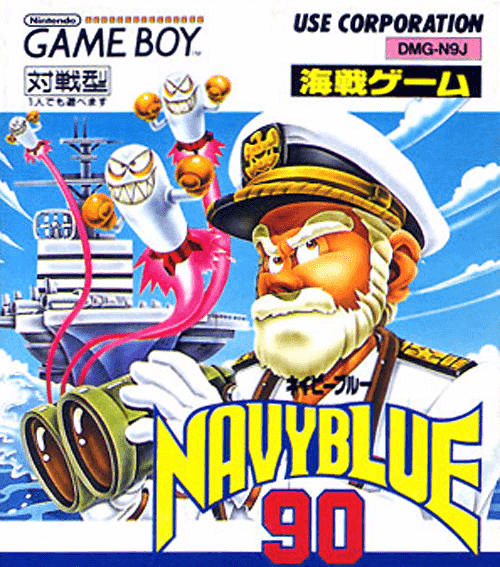
Navy Blue series refined grid-based naval combat. Following the initial release,
Navy Blue 90 (1990) introduced enhanced fleet customization and password save systems, establishing a formula that concluded with the 1992 iteration. The studio's early Famicom projects demonstrated a diverse range of design approaches.
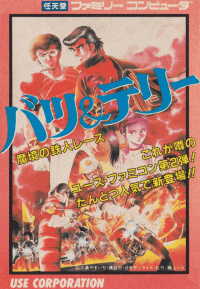
Batsu & Terii (1987) blended side-scrolling action with sports elements to match the tone of the Kodansha manga, while
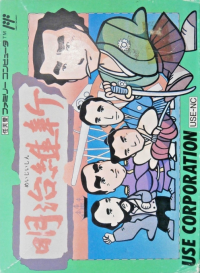
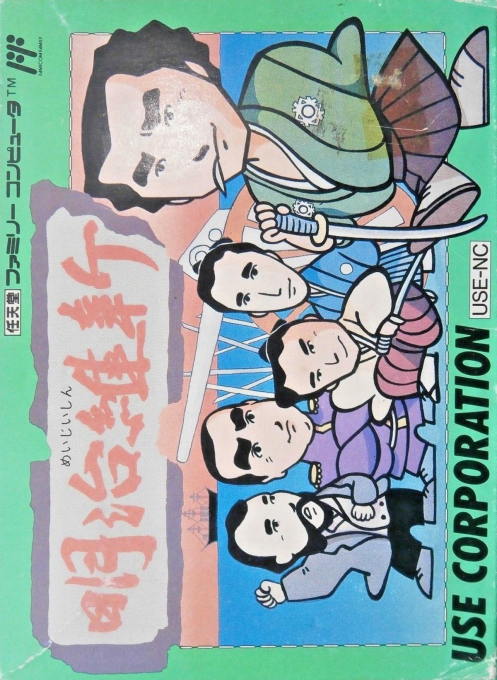
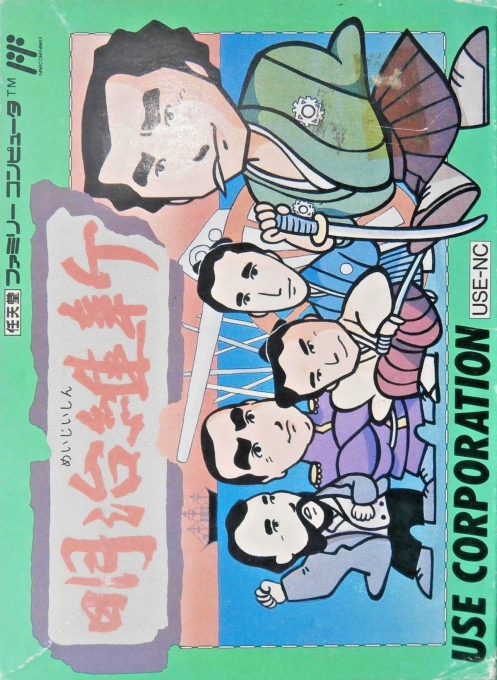
Meiji Ishin (1989) utilized a menu-driven interface to simulate the political turmoil of late 19th-century Japan.