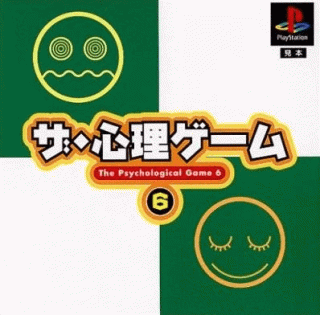
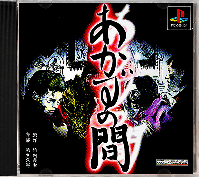
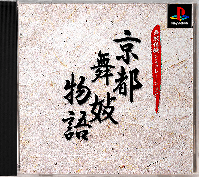
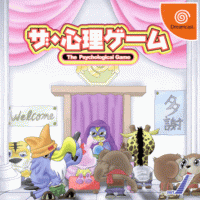
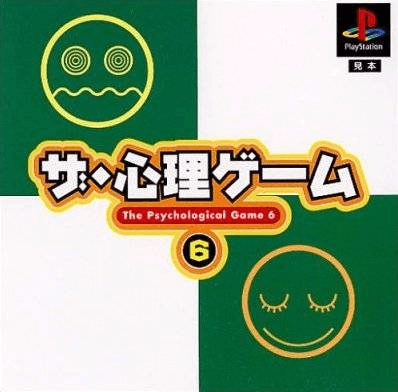
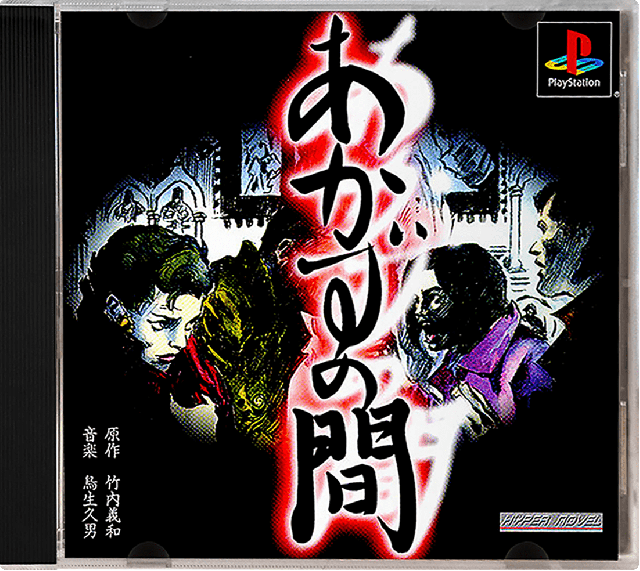
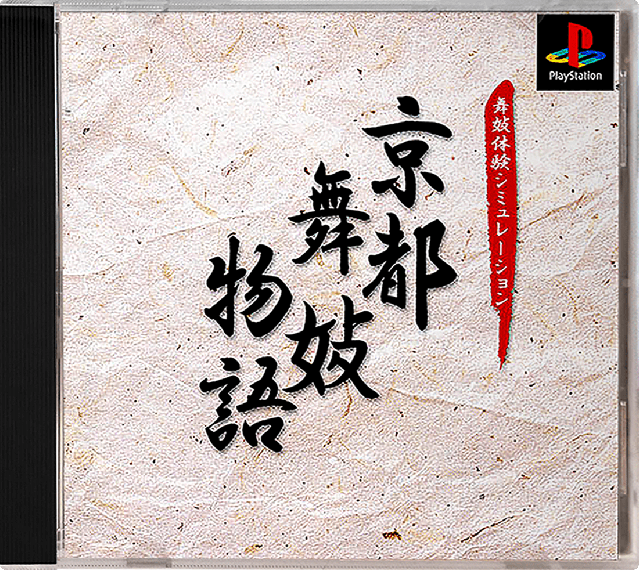
Visit developed and published several video games for PlayStation and Game Boy Color, including entries in The Shinri Game franchise such as The Shinri Game IV and the 2001 self-titled release. The company also created niche titles like the train adventure 19-03 Ueno Hatsu Yakou Ressha, Kyoto Maiko Monogatari, and the horror game Akazu No Ma.
Active during the late 1990s and early 2000s, the developer focused primarily on the Japanese domestic market, tailoring its output to local cultural trends and interactive novelty. The cornerstone of its catalog,
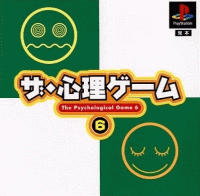
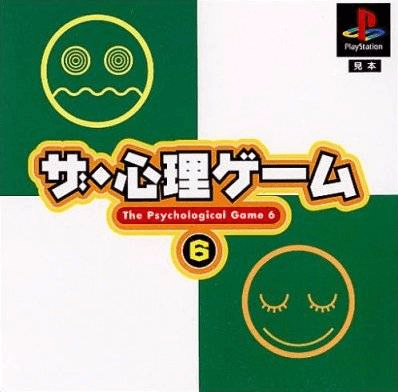
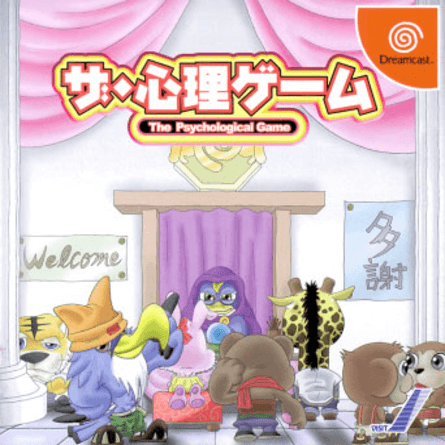
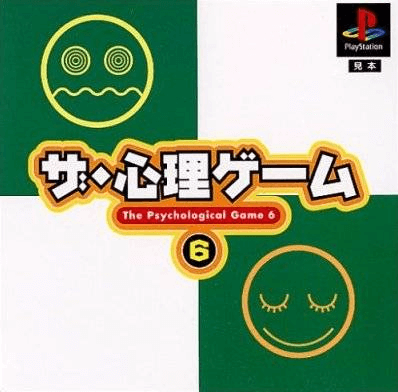
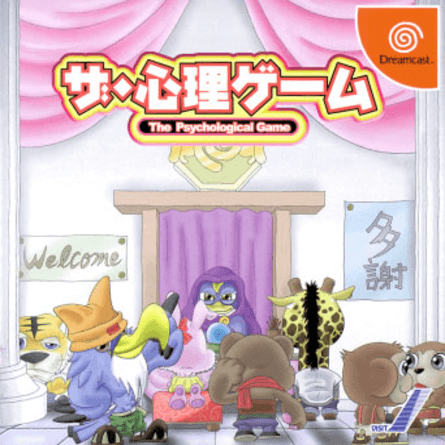
The Shinri Game franchise, capitalized on the popularity of casual psychology quizzes. Entries like
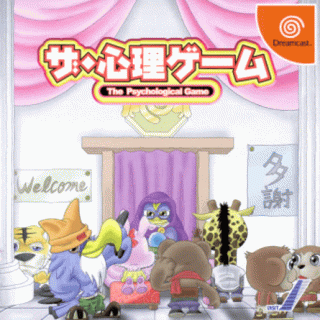
The Shinri Game IV (1999) and the 2001 release
The Shinri Game offered players multiplayer party modes and personality analysis tools.
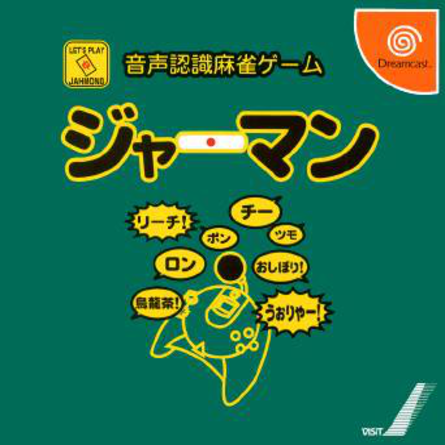
In
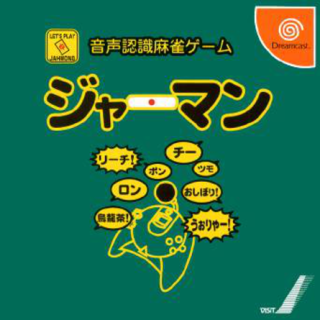
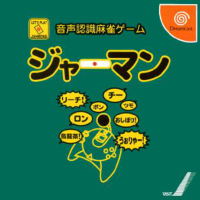
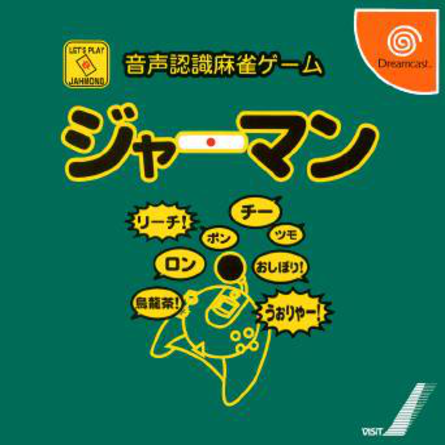
Onsei Ninshiki Mahjong (2000), the studio experimented with voice-recognition peripherals, allowing players to execute mahjong commands vocally. This interest in specialized gameplay mechanics extended to its narrative-driven titles. The mystery adventure
19-03 Ueno Hatsu Yakou Ressha (1999) employed a branching sound novel format, while
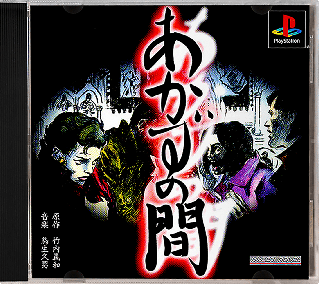
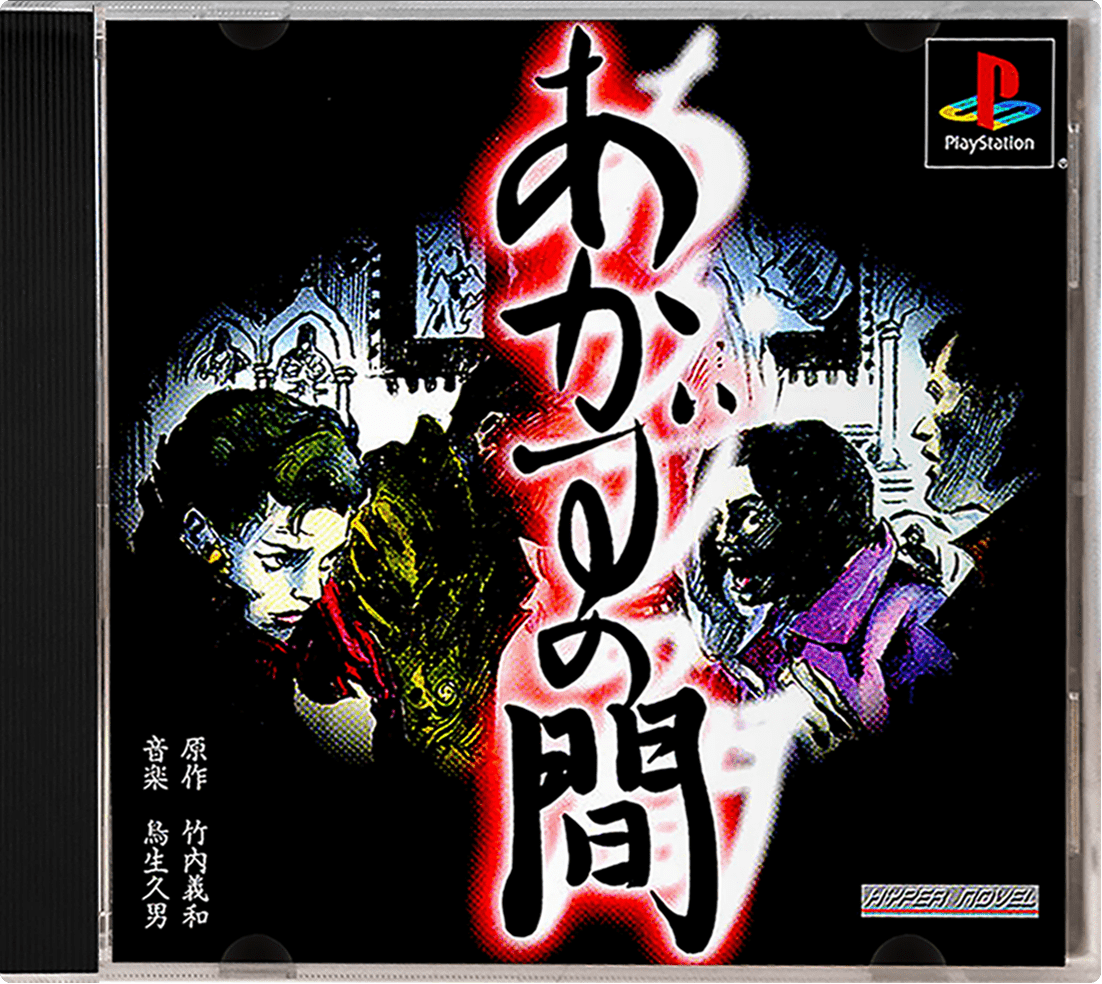
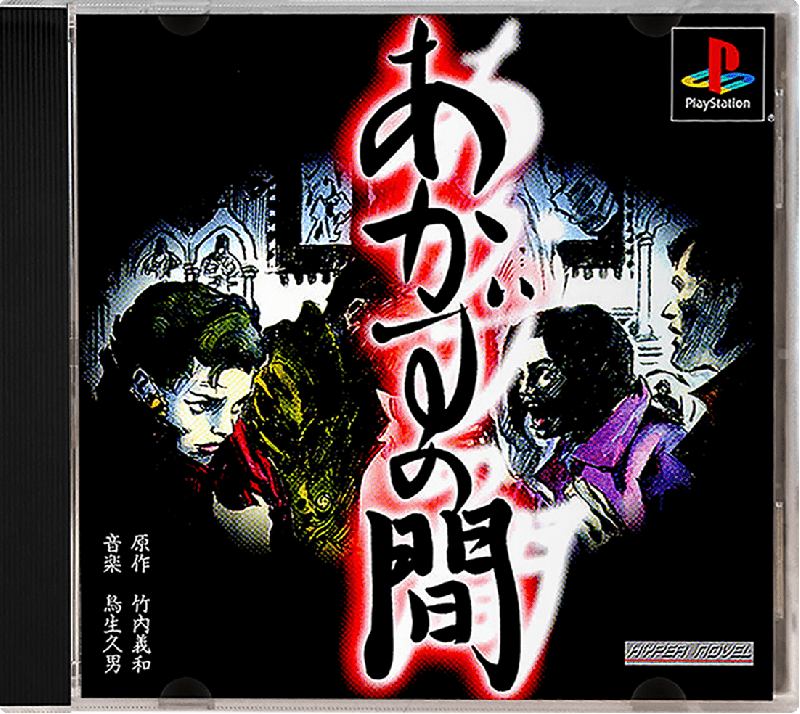
Akazu No Ma (2001) utilized first-person exploration to build suspense within the psychological horror genre. Similarly,
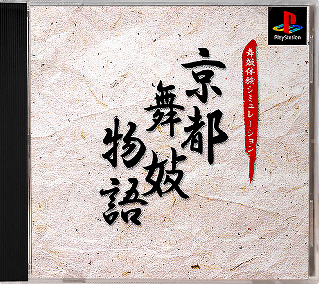
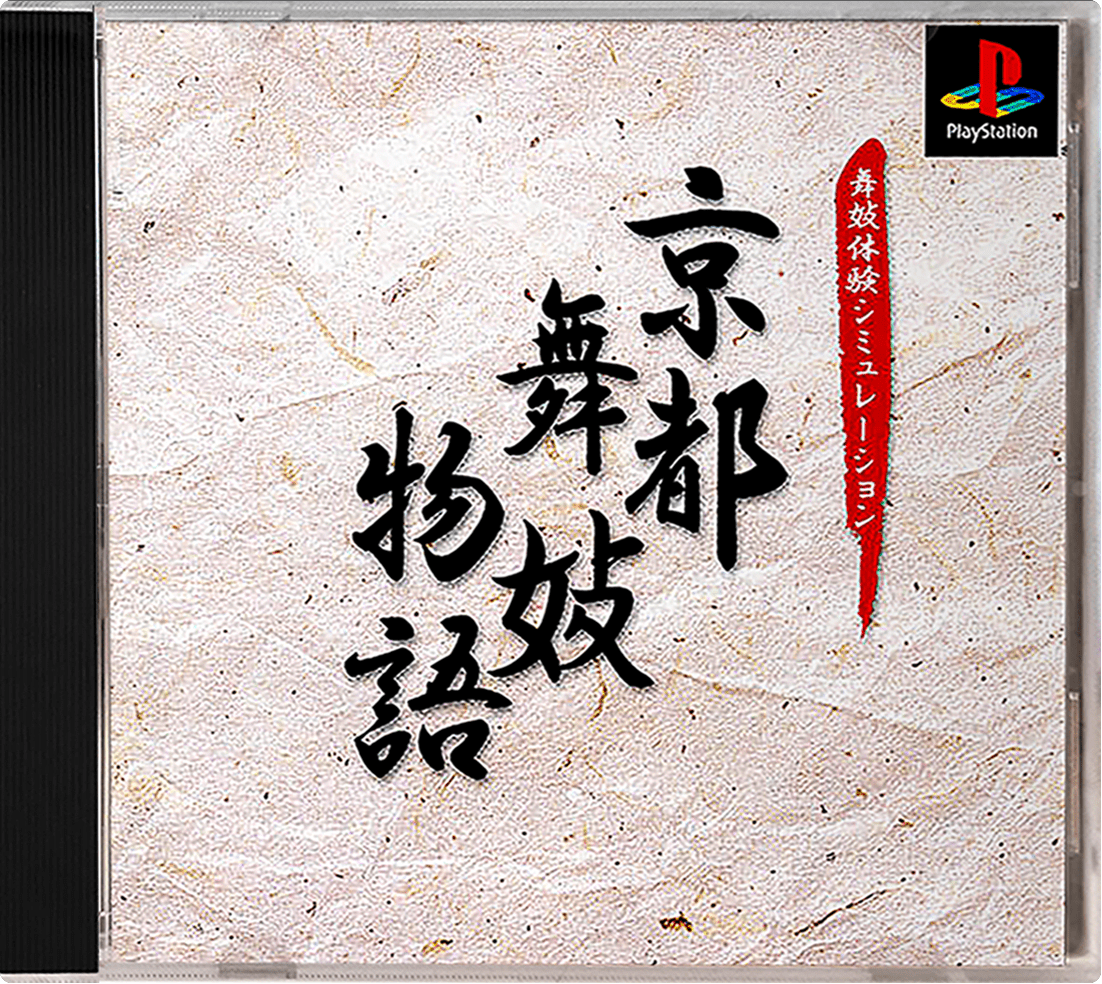
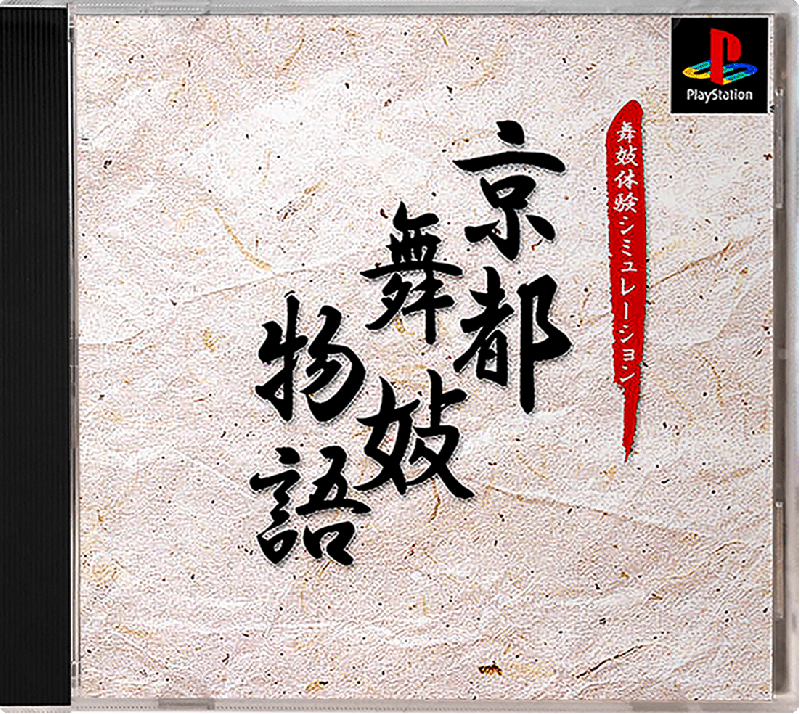
Kyoto Maiko Monogatari (2001) integrated cultural simulation elements, tasking players with navigating the traditional world of apprentice geishas. Through these diverse releases, the company carved out a distinct space in the Japanese gaming landscape by prioritizing text-heavy, atmospheric, and experimental simulation software.