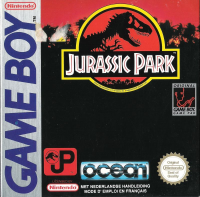
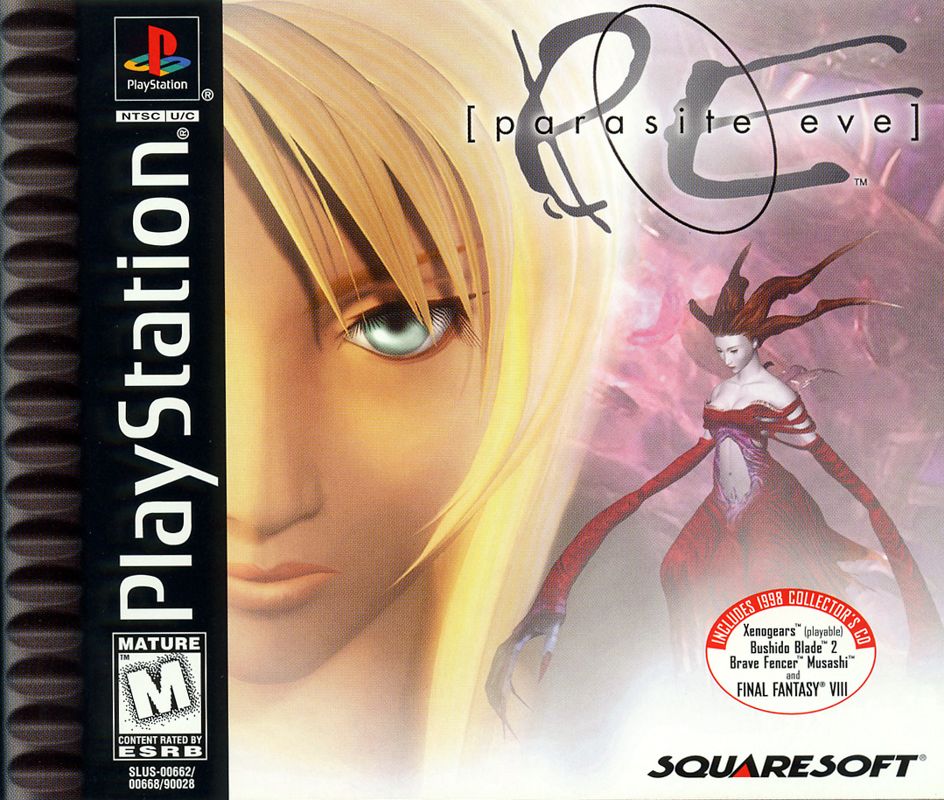
In action and survival horror titles like Jurassic Park (1993), Duke Nukem: Time to Kill, and Parasite Eve, ammo serves as a crucial limited resource required to operate firearms against enemies. Players must scavenge environments to find specific ammunition types to keep their weapons functional. In Rising Zan: The Samurai Gunman, managing ammo is essential for balancing gunplay with sword combat.
The implementation of ammunition as a collectible resource evolved significantly across early 3D and late 2D titles. In the
Jurassic Park (1993) adaptations, players managed distinct ammunition types, ranging from non-lethal tranquilizer darts to heavy explosives, establishing a tactical layer to dinosaur encounters. This contrasted with the shared bullet pool system utilized in console ports of
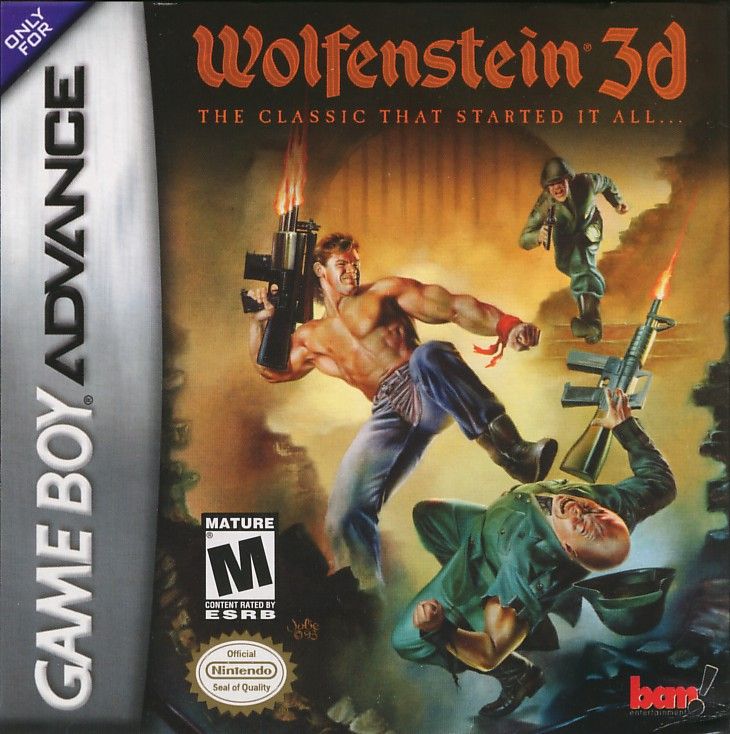
Wolfenstein 3D (1994), which streamlined resource management.
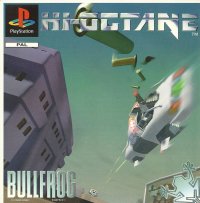
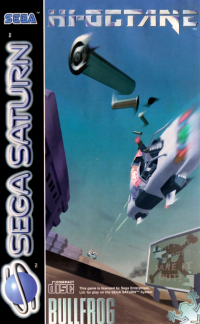
As genres diversified, ammunition mechanics adapted to unconventional formats. The futuristic racing game
Hi Octane (1996) placed ammo refills directly onto tracks to sustain vehicular combat, while the weapon-based fighter
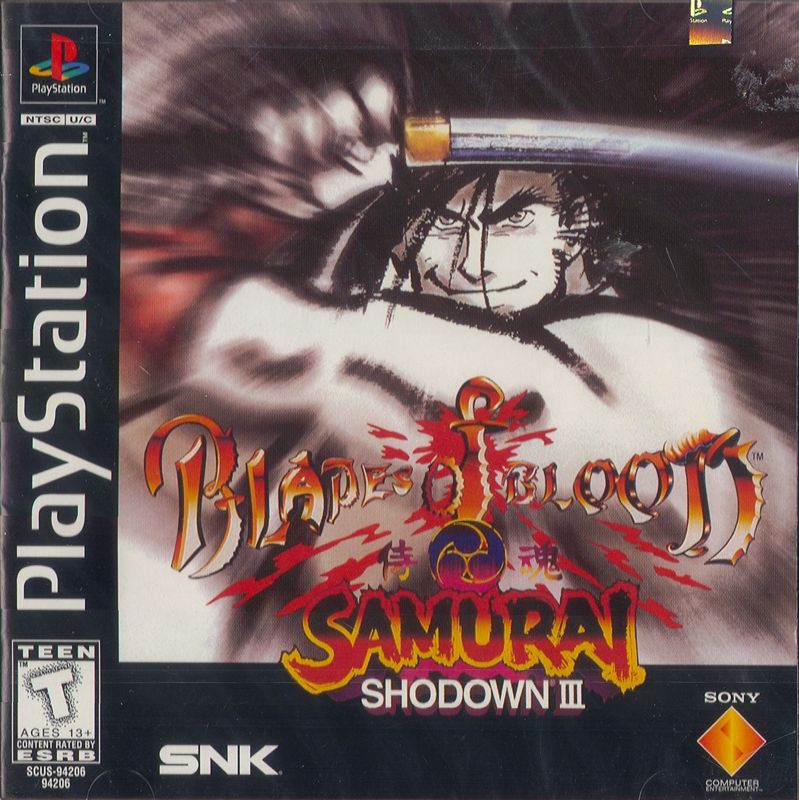
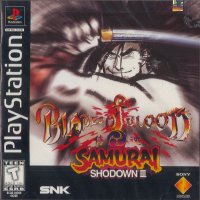
Samurai Shodown III (1996) restricted projectile usage to prevent spamming. In third-person action titles like
The Crow City of Angels (1997) and
Duke Nukem Time to Kill (1998), ammo pickups were strategically placed to guide player exploration through complex level layouts.
The
Parasite Eve franchise innovated by merging ammunition with role-playing mechanics, allowing players to alter bullet attributes with status effects. Similarly,
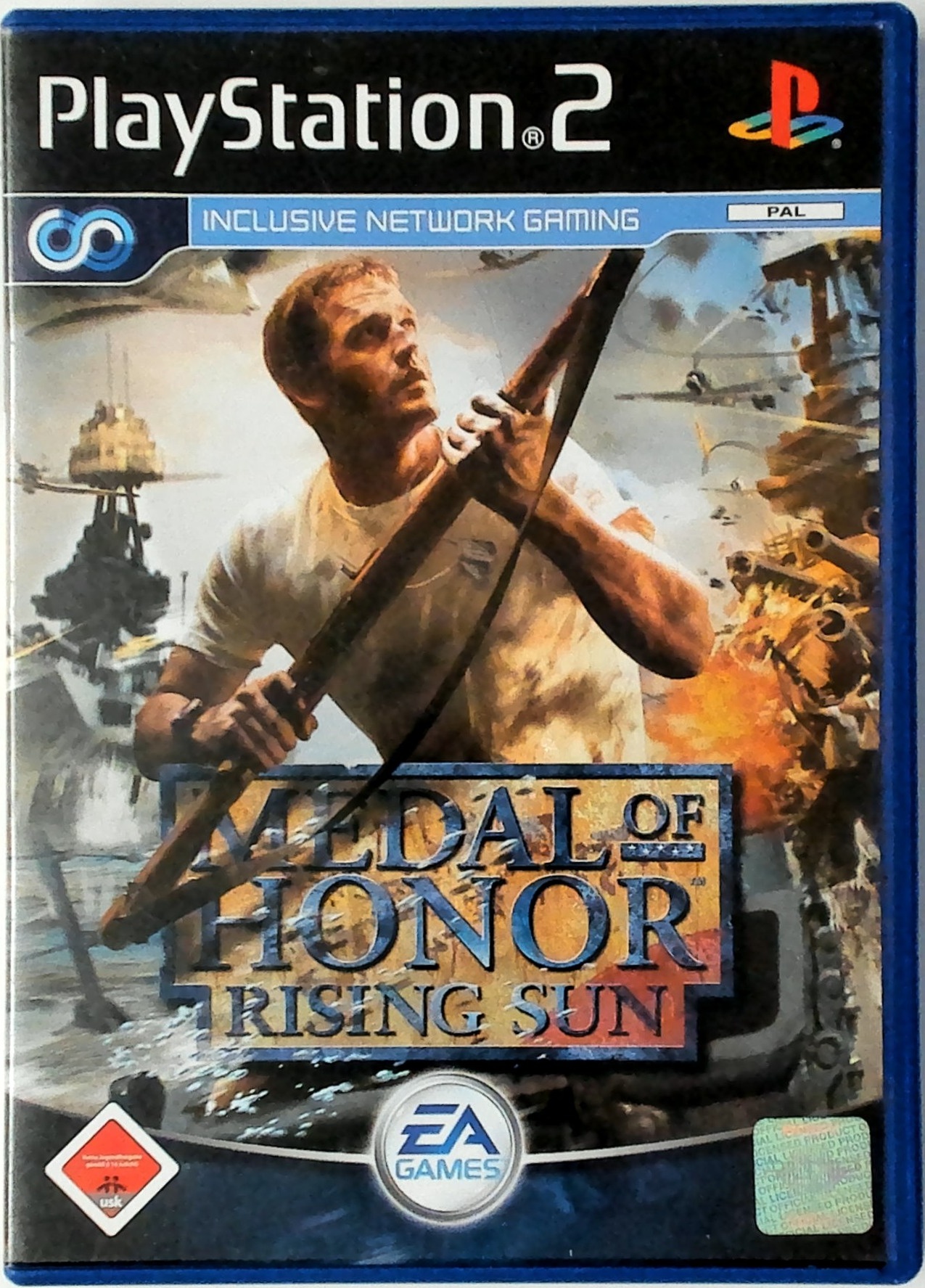
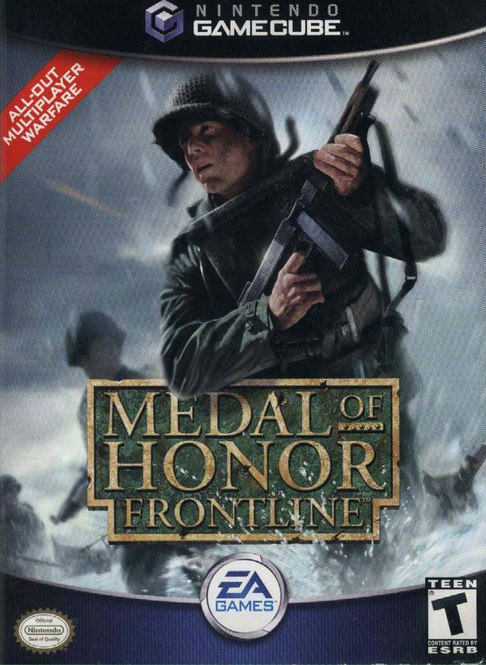
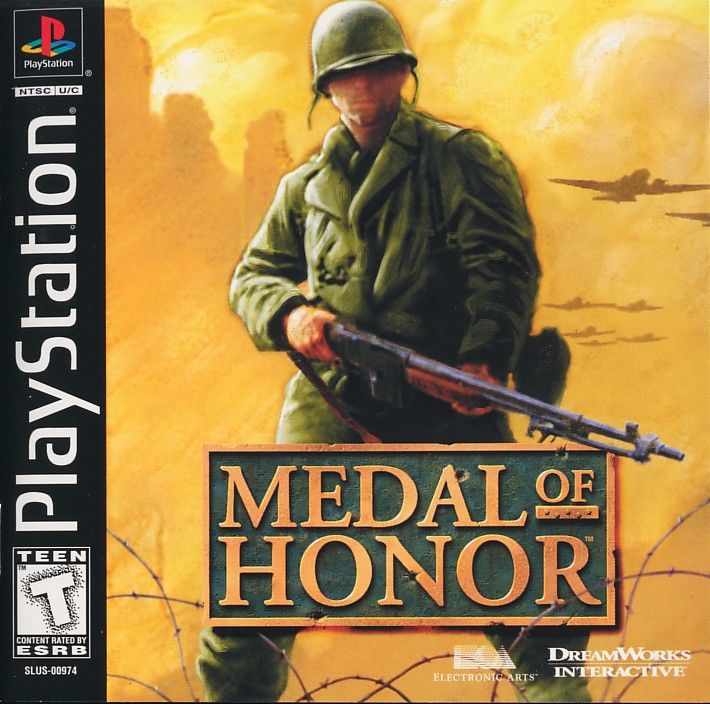
Medal of Honor (1999) introduced a focus on historical realism, requiring players to scavenge specific military-grade calibers. In
Rising Zan the Samurai Gunman (1999), ammunition limits directly influenced the game's stylish combat grading system.
_1.jpg)

 (Disc 2).png)
.png)

.png)
.png)












_1.jpg)

 (Disc 2).png)
.png)
.png)
.png)
_1.png)