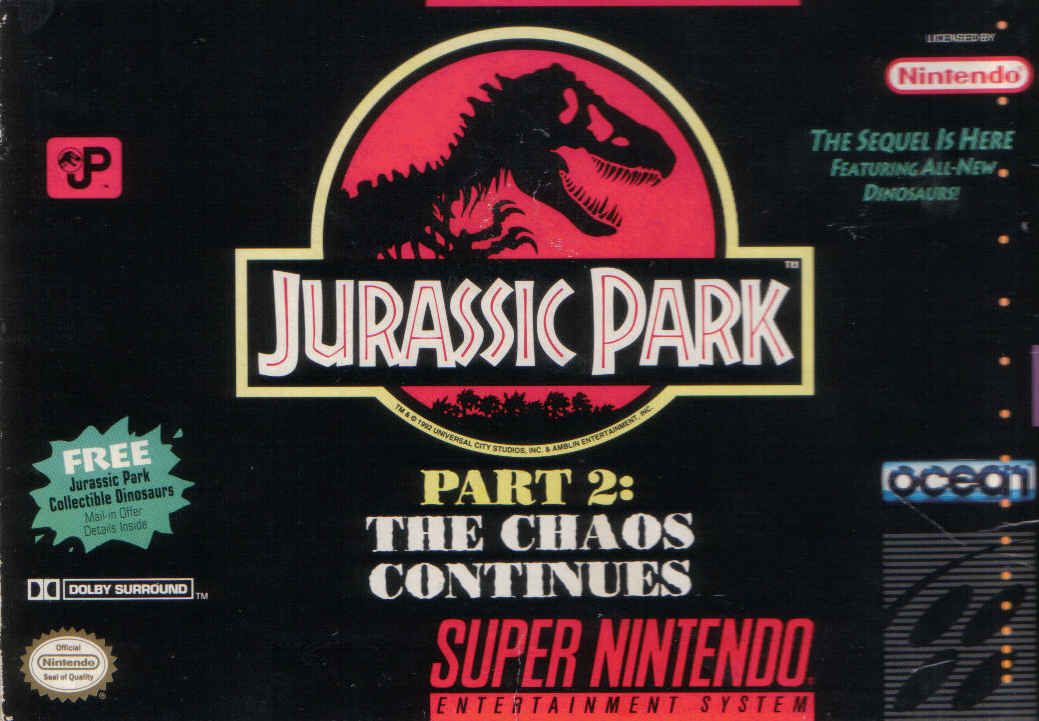
In the 1993 Jurassic Park video game, batteries are collected to power the player's night-vision goggles. They also serve as vital power sources or collectibles in Kileak the DNA Imperative (1995), Rugrats Search for Reptar (1998), Commander Keen (2001), and Stuart Little The Journey Home (2001).
During the 1990s and early 2000s, the integration of battery items across these titles reflected a design trend prioritizing resource management and environmental interaction. In the Ocean Software adaptations of
Jurassic Park, managing battery reserves forced players to balance exploration with the threat of total darkness in dinosaur-infested corridors. This survival mechanic evolved in
Kileak: The DNA Imperative, where battery power directly sustained the player's life-support and weapon systems, punishing inefficient movement.
As the mechanic transitioned into family-friendly platformers, the role of batteries shifted from survival to progression. In
Rugrats: Search for Reptar, finding batteries allowed players to operate mechanical hazards and access new areas of the toy store. Similarly, in
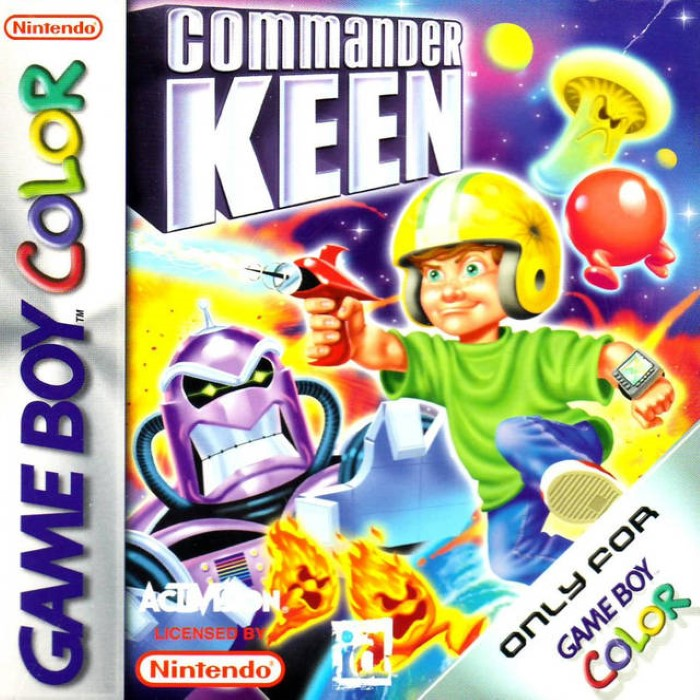
Stuart Little: The Journey Home and the Game Boy Color iteration of
Commander Keen, batteries functioned as essential fuel sources for vehicles and gadgets, transforming a simple utility item into a primary objective driver. This progression-based utility solidified the battery as a versatile trope, bridging the gap between tense action-adventure resource management and accessible puzzle-solving gameplay.





.png)

.png)




.png)
.png)