In Bubble Bobble (1991) and Super Buster Bros. (1992), collecting the Clock temporarily freezes enemies in place, allowing players to safely defeat them. In Bill & Ted's Excellent Game Boy Adventure (1991), which is part of the Crazy Castle series gameplay lineage, clocks are collected to manipulate time or progress through stages. Across these retro titles, the item serves as a critical tool for survival under strict time constraints.
During the early 1990s transition from arcades to home consoles, developers utilized this time-altering mechanic to balance difficulty across diverse genres. In the light-gun shooter
Yoshi's Safari, shooting a clock adds precious seconds to the level timer, preventing an instant game over. Similarly, in the action-platformers
Road Runner's Death Valley Rally and
Lethal Weapon, finding the item extends the strict stage limits imposed on the player.
Within the puzzle-centric design of
Cacoma Knight in Bizyland, the clock serves a dual purpose by halting both the decay of the territory-claiming timer and the movement of hostile entities. For
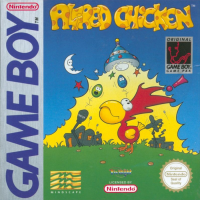
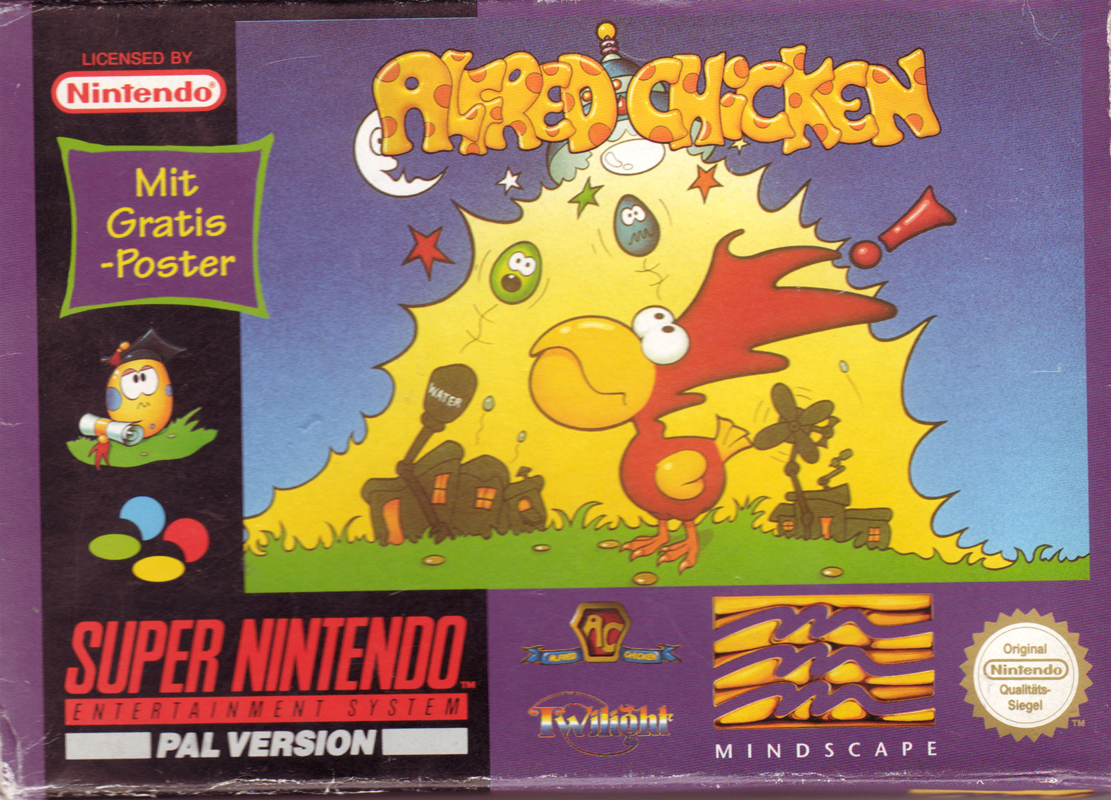
Alfred Chicken, the item acts as a crucial checkpoint, recording the player's progress. This period of game design, heavily influenced by the
Bubble Bobble and
Bugs Bunny Crazy Castle lineages, relied on the clock to reward exploration and quick reflexes. By integrating these items into secret areas or challenging paths, creators established a risk-versus-reward dynamic that defined the era's platforming standards.

.png)

 (Fr,De,Es).png)
 (En,Fr).png)
 (En,Fr,De,Es,It).png)
.png)
.png)

.png)

.png)
.png)
.png)






.png)


.png)

.png)





 (En,Fr,De,Es,It).png)
.png)

.png)
.png)
.png)

 (Fr,De,Es).png)
 (En,Fr).png)