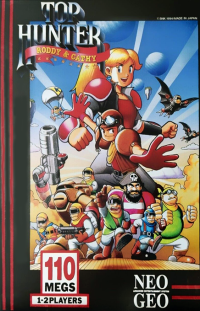
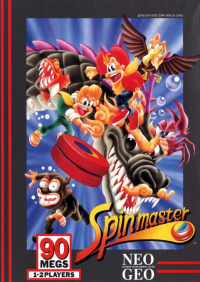
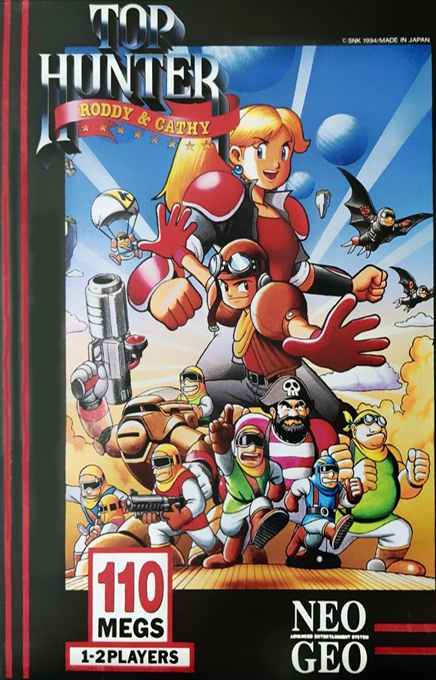
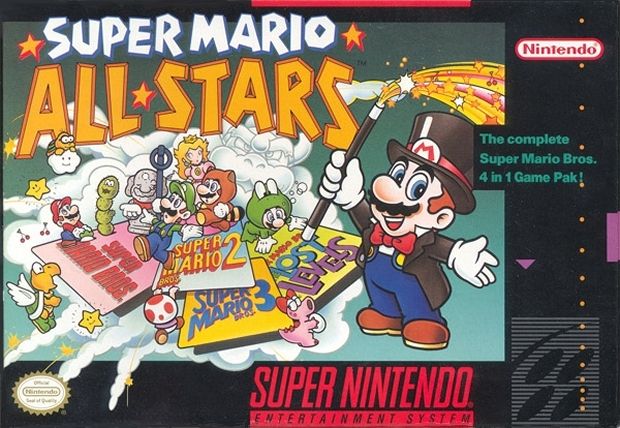
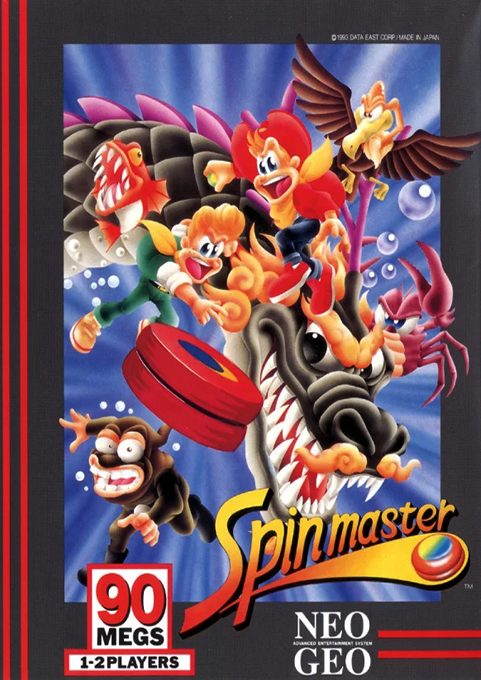
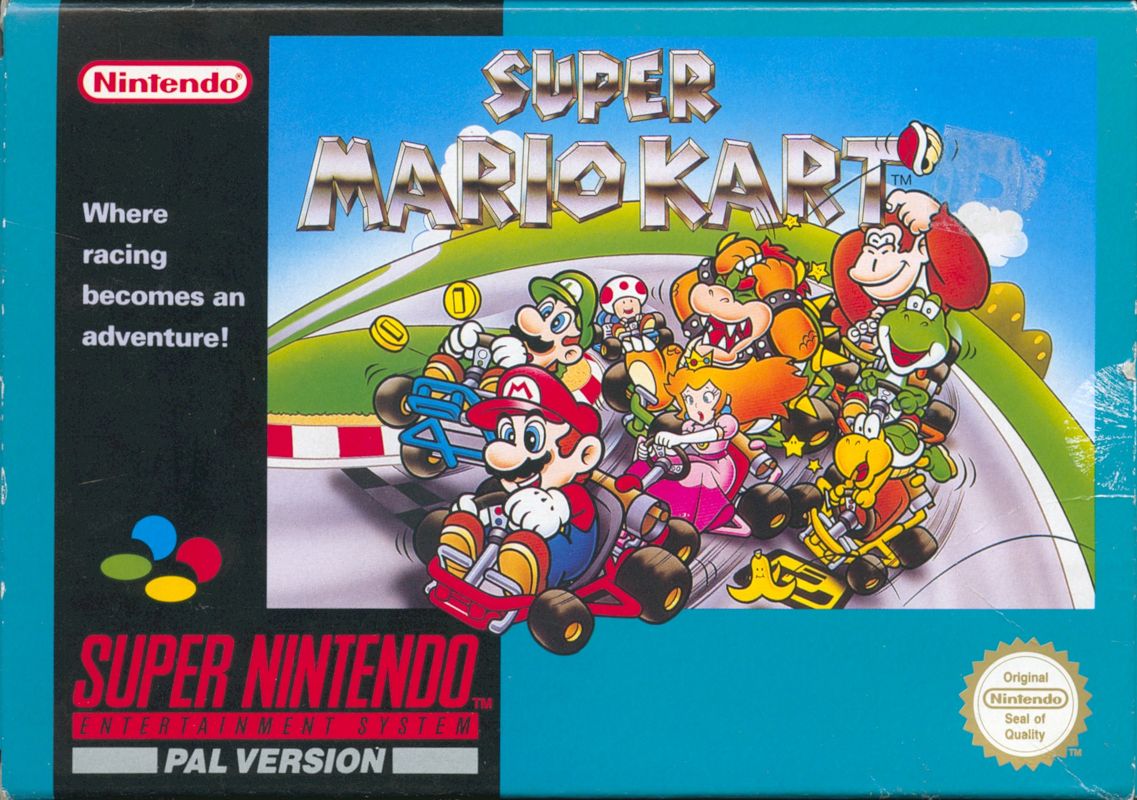
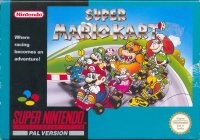
In Super Mario Kart and Super Mario All-Stars, collecting coins increases the player's top speed and prevents spinning out when bumped. In action and arcade titles like Spinmaster, Top Hunter, and Zero the Kamikaze Squirrel, coins serve as point-scoring collectibles. In Bill Laimbeer's Combat Basketball, coins are used as currency to buy and trade players.
During the early 1990s transition from physical arcade cabinets to home consoles, the coin evolved from a literal insert-credit mechanism into a versatile in-game asset. Within the broader design lineage of the
Final Fight and
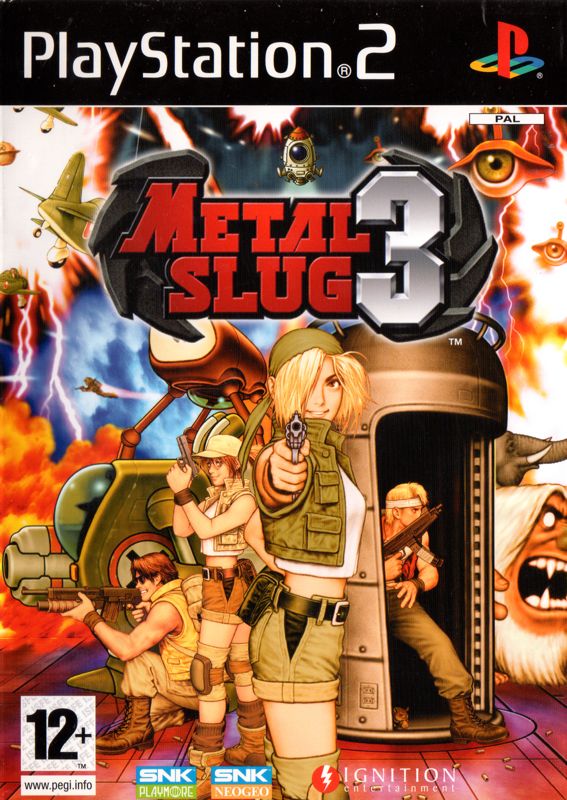
Metal Slug franchises, these items bridged the gap between high-score chasing and progression mechanics.
In
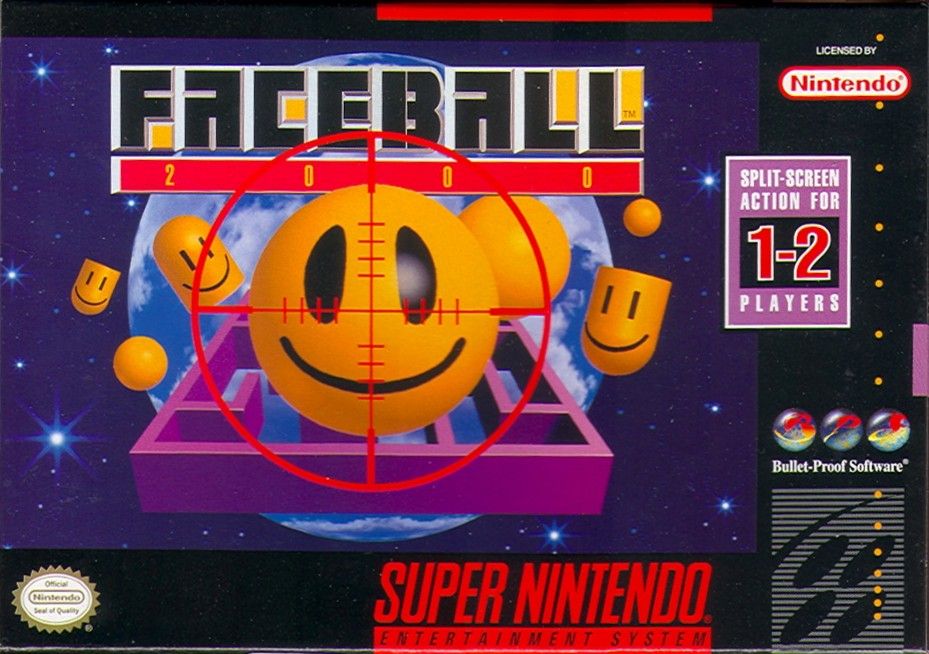
Faceball 2000, coins appear in specific arena layouts, rewarding exploration in early first-person shooter environments. For
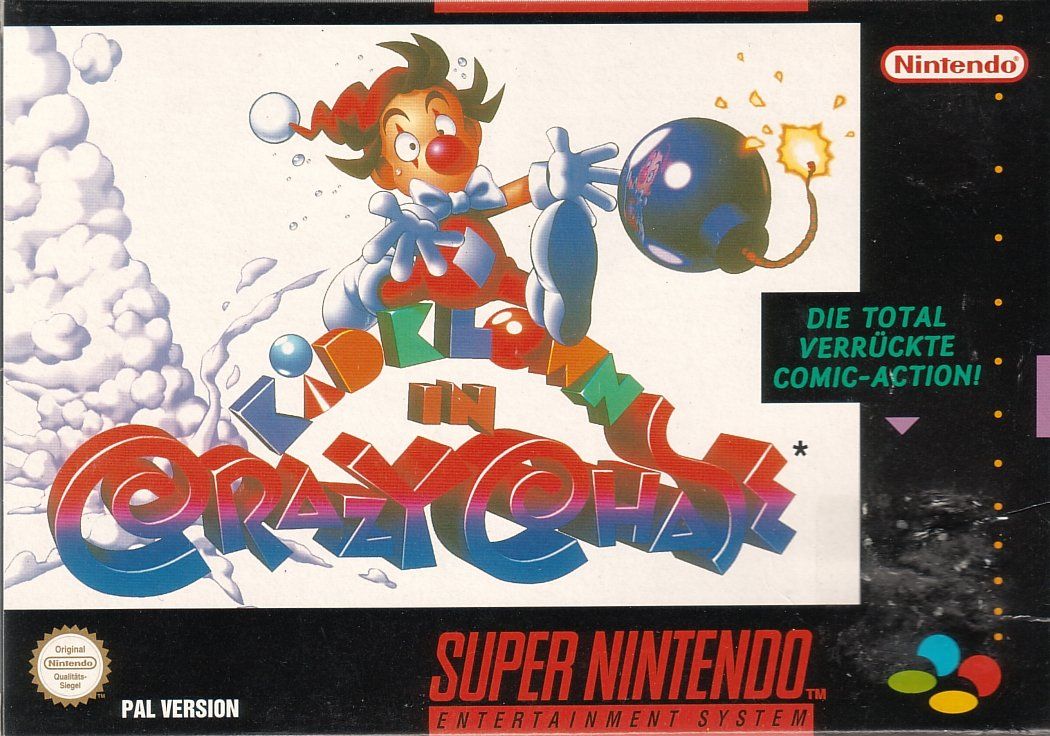
Kid Klown in Crazy Chase, the item takes on a crucial progression role, where players must collect four distinct coins to unlock the successful ending. The Neo Geo titles
Spinmaster and
Top Hunter, developed under the arcade philosophy that heavily influenced the
Metal Slug series, utilized coins to incentivize speedruns and perfect stage clears. Similarly, the inclusion of coins in
Zero the Kamikaze Squirrel,
Bill Laimbeer's Combat Basketball,
Super Mario Kart, and
Super Mario All-Stars demonstrated how diverse genres adapted this classic arcade motif. This era established the coin as a foundational design tool, paving the way for complex economy systems in later action and platforming releases.
.png)
 (En,Fr,De,Es,It,Nl).png)
.png)
_1.png)
 (Rev 1).png)
 (Beta) (1993-07-30).png)
.png)





 (En,Fr,De,Es,It,Nl).png)


 (Rev 1).png)


.png)

.png)
.png)
_1.png)
 (Beta) (1993-07-30).png)