The Key Card serves as a critical progression item across multiple retro titles, including Star Wars: Episode I – The Phantom Menace, where it is used to bypass security doors. It also appears as a vital utility for navigating locked facilities in games like The Super Spy, Jurassic Park Part 2: The Chaos Continues, and Alien Resurrection. Players must locate these cards to access restricted areas and advance the narrative.
Historically, the integration of these security clearance items reflects the evolution of level design from early 1990s pseudo-3D environments to modern retro re-releases. In
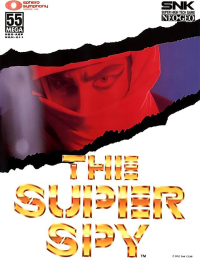
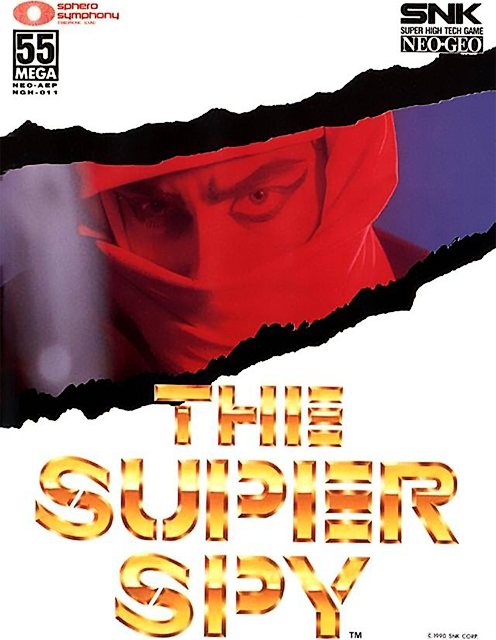
The Super Spy (1993), the item challenged players to manage inventory while navigating first-person corridors. As the mechanic transitioned into side-scrolling action with
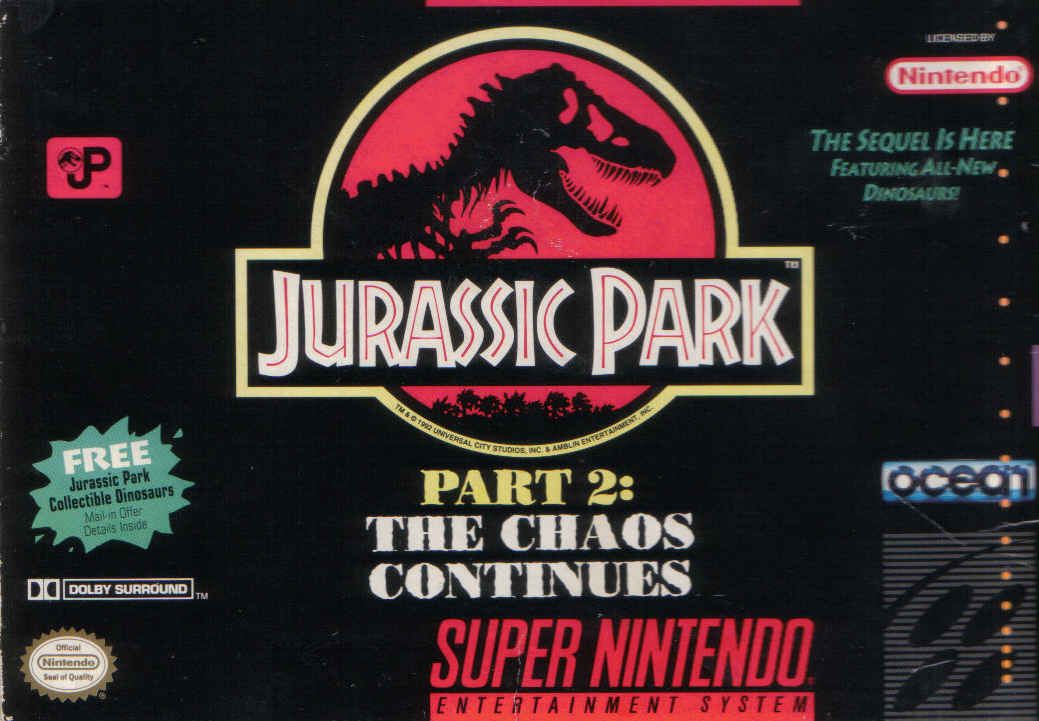
Jurassic Park Part 2: The Chaos Continues (1994), finding these items became tied to time-sensitive rescue missions, a design preserved decades later in the 2024
Jurassic Park Part 2: The Chaos Continues [Collector's Edition].
Within the
Star Wars franchise's expanded gaming universe, the item's role expanded.
Star Wars: Episode I – The Phantom Menace (1999) integrated the device into complex, multi-layered puzzle environments. This paved the way for tense, survival-oriented search mechanics in
Alien Resurrection (2000) and the fast-paced combat-adventure structures of
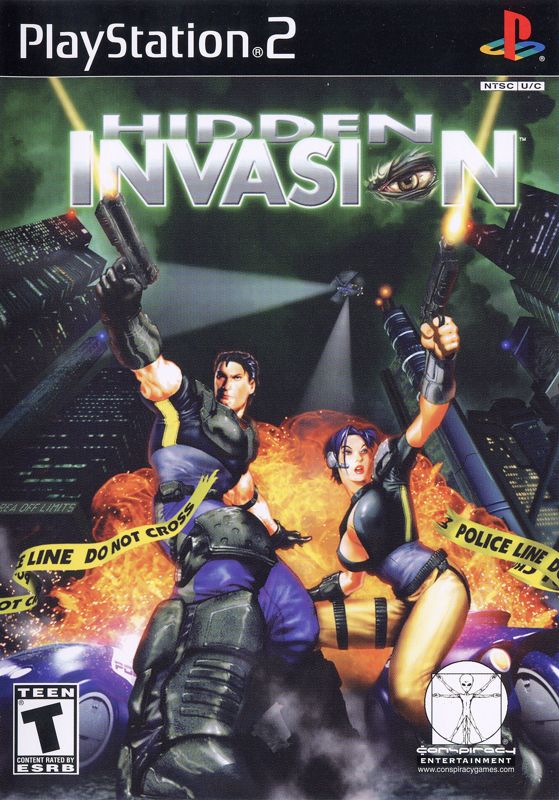
Hidden Invasion (2000) and
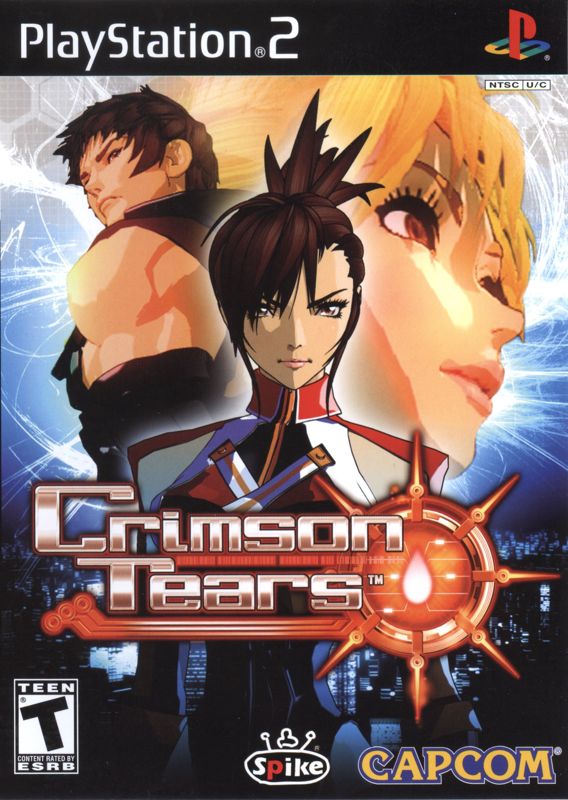
Crimson Tears (2000). By the release of
Planet of the Apes (2002), the item served as a narrative bridge, forcing players to explore hostile, non-linear ruins to piece together story elements. Across these diverse titles, the item remains a foundational design tool that balances exploration with combat pacing.







.png)


.png)

.png)

.png)