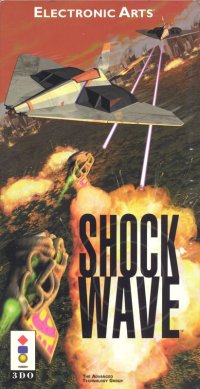
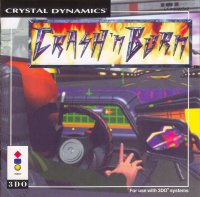
In the 3DO launch title Crash 'N Burn and the futuristic flight combat game Shock Wave, missiles serve as key explosive ordnance for targeting enemy vehicles and alien craft. They also appear as tactical offensive weapons in strategy and combat titles of the era, including Metal Marines, Battle Cars, and Outlander, where players deploy them to bypass defenses or destroy heavily armored targets.
The deployment of these projectiles dates back to early 1980s releases such as
Star Chess and
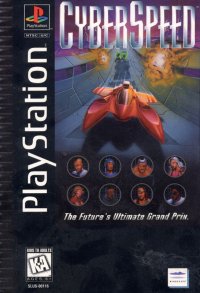
Missile War, where they operated under strict trajectory and turn-based constraints. As hardware capabilities advanced into the 1990s, the mechanics governing these weapons transitioned from simple linear paths to complex tracking behaviors. In the futuristic racing title
CyberSpeed, players utilize them within high-speed corridors to temporarily disable rival hovercraft, requiring precise timing amid intense velocity.
Across the
Crash 'N Burn and
Shock Wave intellectual properties, as well as related releases in the
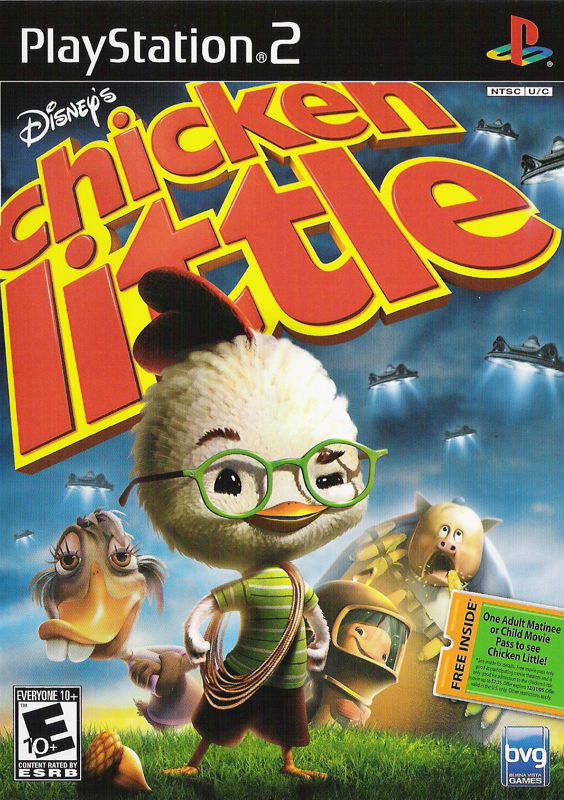
Chicken Little family, the weapon class underwent significant visual and functional upgrades. Early iterations relied on basic sprite rendering and direct collision detection, whereas mid-90s entries introduced texture-mapped 3D models, smoke trails, and lock-on indicators. This evolution reflected a broader industry shift toward immersive, real-time tactical feedback, establishing the munition as a standard mechanical staple across diverse genres ranging from sci-fi simulation to vehicular racing.
.png)
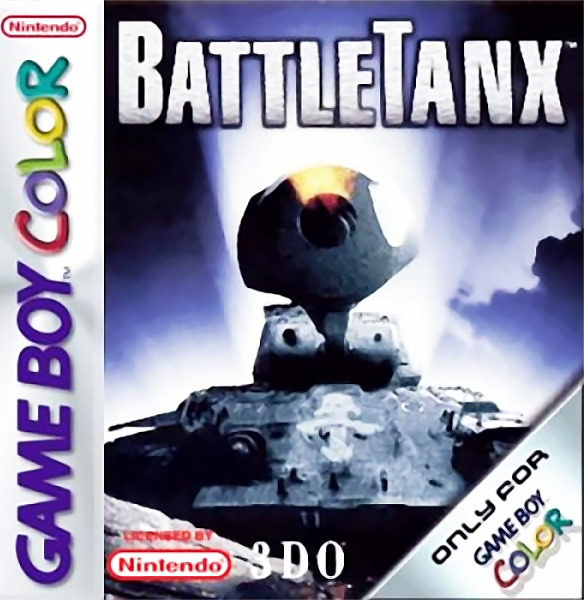

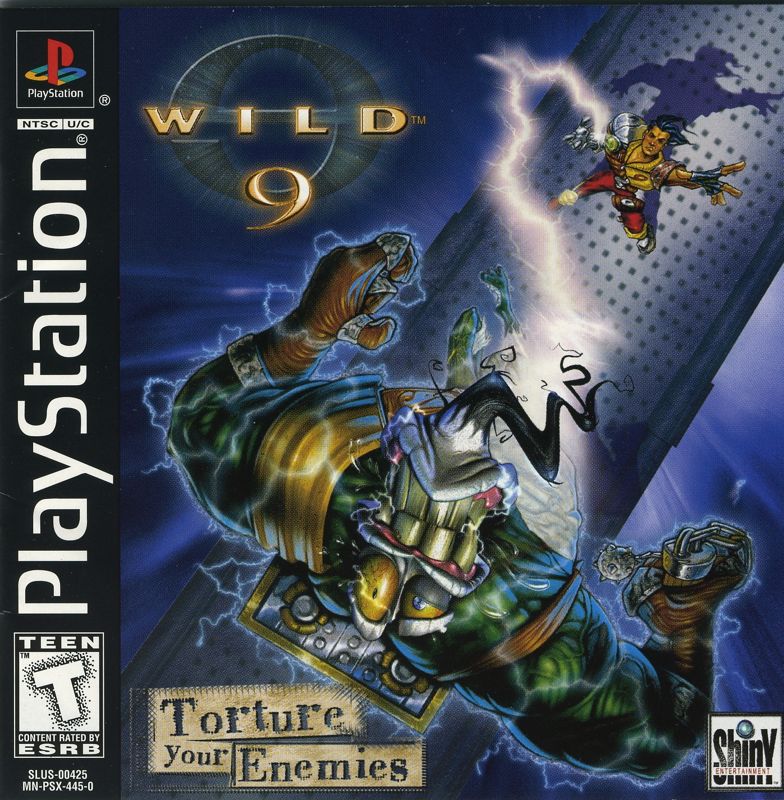
 (SGB Enhanced).png)
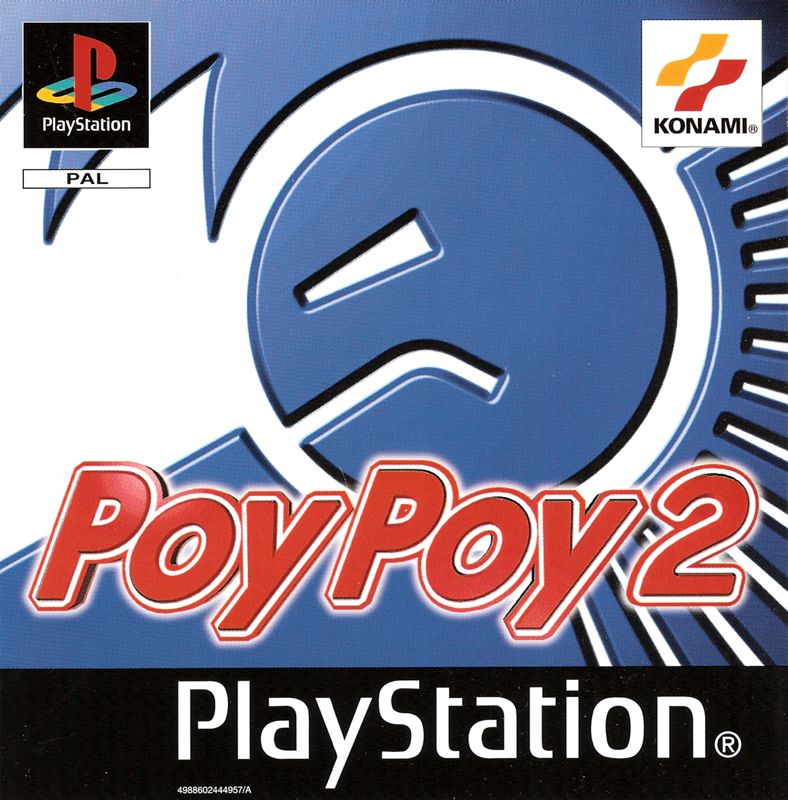
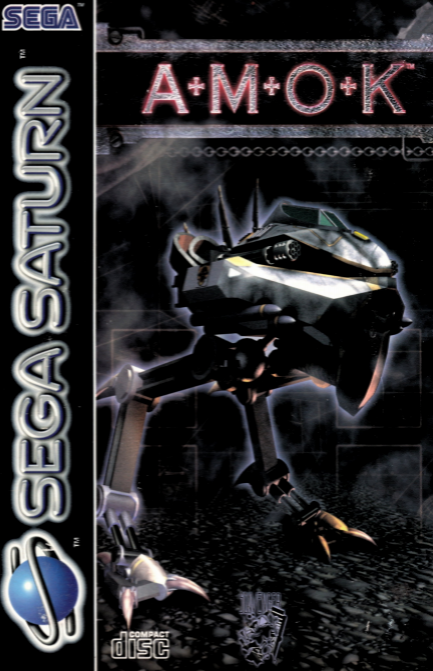
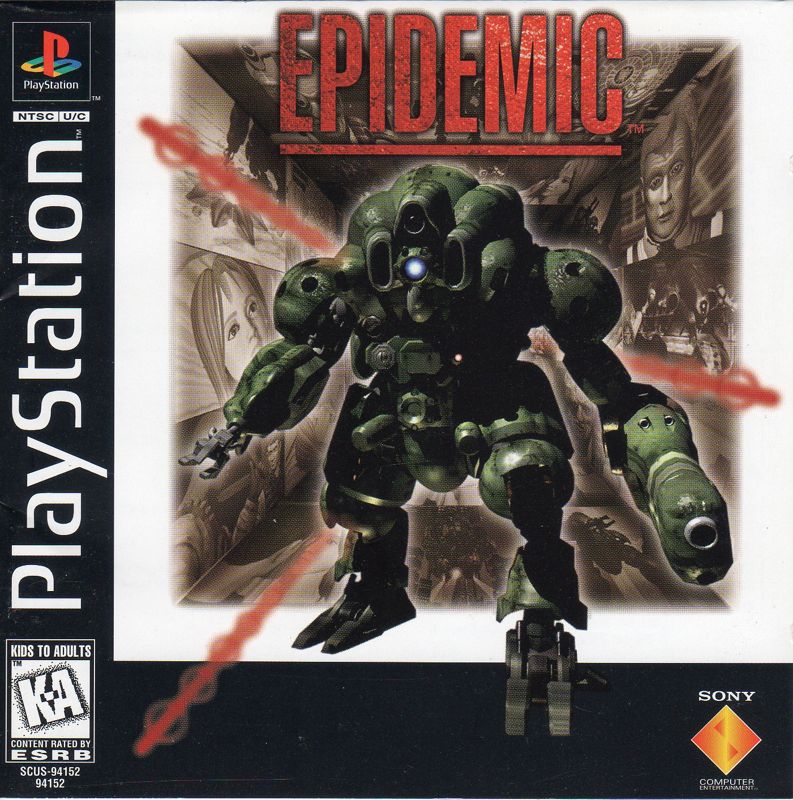
.png)
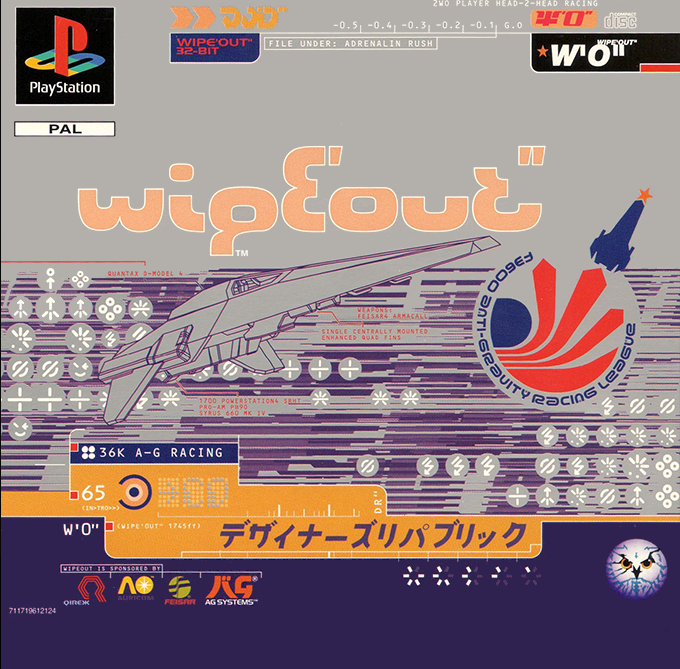
.png)
.png)
.png)
.png)







.png)
.png)




.png)
.png)
.png)
.png)
.png)


 (SGB Enhanced).png)

.png)

.png)