In action and adventure titles like Tomb Raider (1996), weapons such as Lara Croft's signature dual pistols are essential for combat and puzzle-solving. Role-playing games like Star Ocean: The Second Story (1999) feature customizable and upgradable weapons that directly influence character stats and combat effectiveness. Across other retro titles like Dennis the Menace and Top Hunter, weapons range from slingshots to physical strikes used to overcome obstacles.
During the mid-1990s, weapon mechanics diversified rapidly across various gaming genres. In
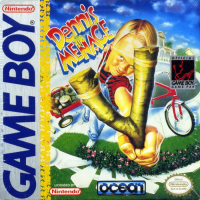
Dennis the Menace (1994) and
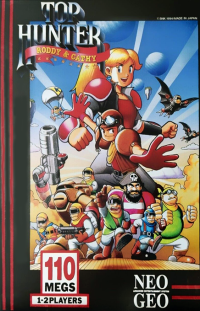
Top Hunter (1994), weapons function as direct tools for environmental interaction and stage progression. The isometric adventure
Equinox (1994) requires players to locate specific magical weapons to bypass elemental barriers and defeat guardians. For comedic platforming,
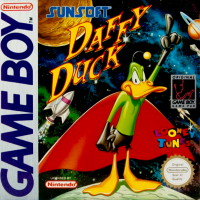
Daffy Duck (1995) employs specialized gadgetry, while the flight simulator
Agile Warrior F-111X (1995) shifts focus to heavy military payloads like missiles and napalm. In the strategy title
Romance of the Three Kingdoms IV Wall of Fire (1996), weapons are treated as military assets, where developing siege technology directly influences campaign outcomes.
The late 1990s introduced deeper mechanical integration and realism.
Tomb Raider [Black Label] (1996) expanded its combat loop by hiding high-tier firearms like Uzis and shotguns in secret areas, rewarding thorough exploration. The
Medal of Honor franchise pioneered historical realism, introducing authentic World War II firearms with distinct recoil and reload behaviors. This progression culminated in role-playing titles like
Star Ocean: The Second Story (1999), where the item creation system allows players to customize and forge unique armaments, transforming weapons from simple tools into complex statistical assets.
 (v1.02).png)
 (En,Fr,De,Es,It).png)
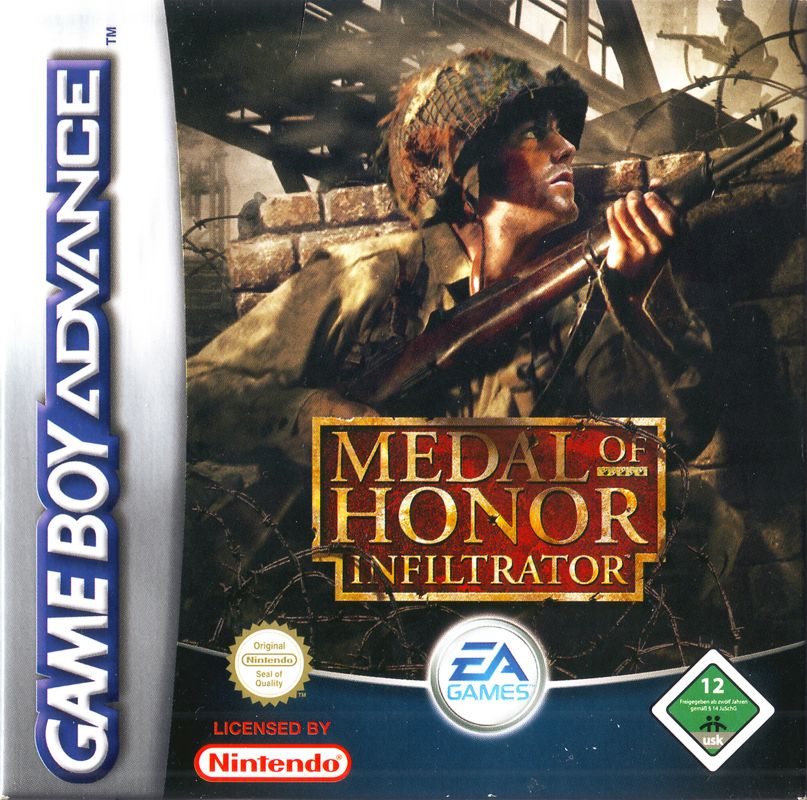
.png)
.png)
.png)
 (Disc 2).png)

_1.png)

 (En,Fr,De,Es,It).png)











.png)


 (Disc 2).png)

 (v1.02).png)

.png)
.png)
.png)
.png)

_1.png)
.png)
.png)