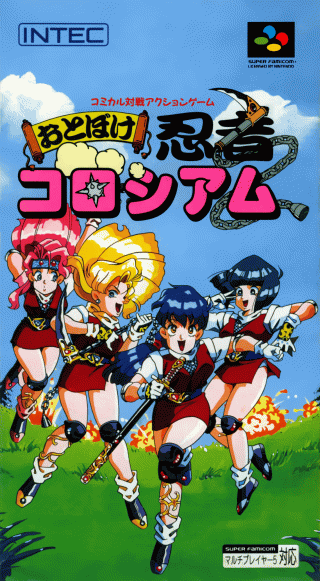
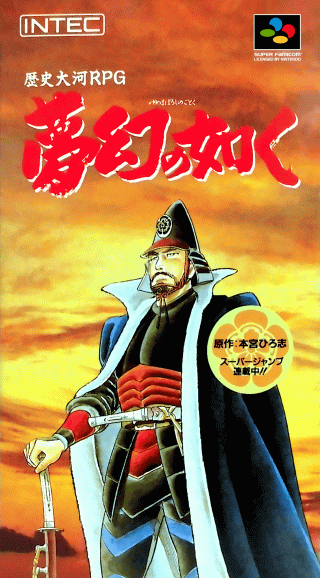
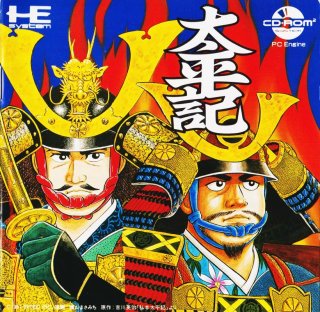
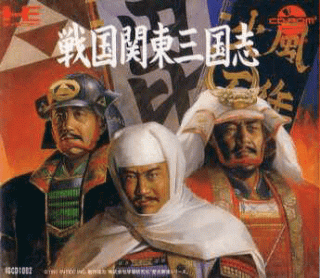
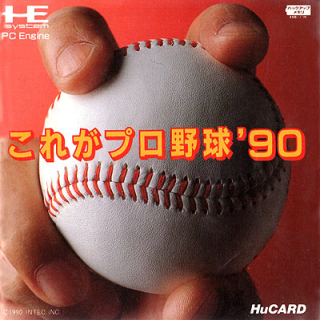
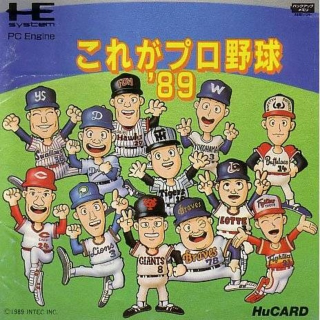
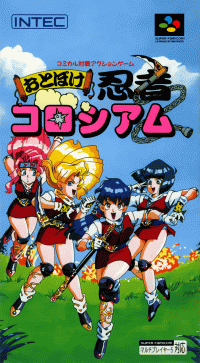
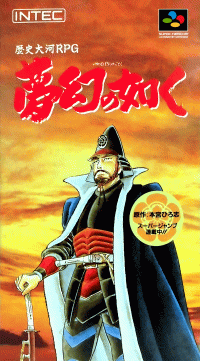
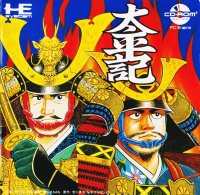
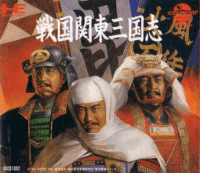
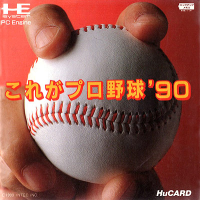
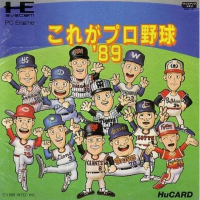
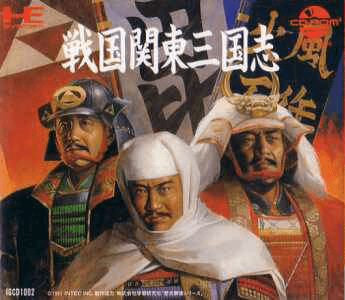
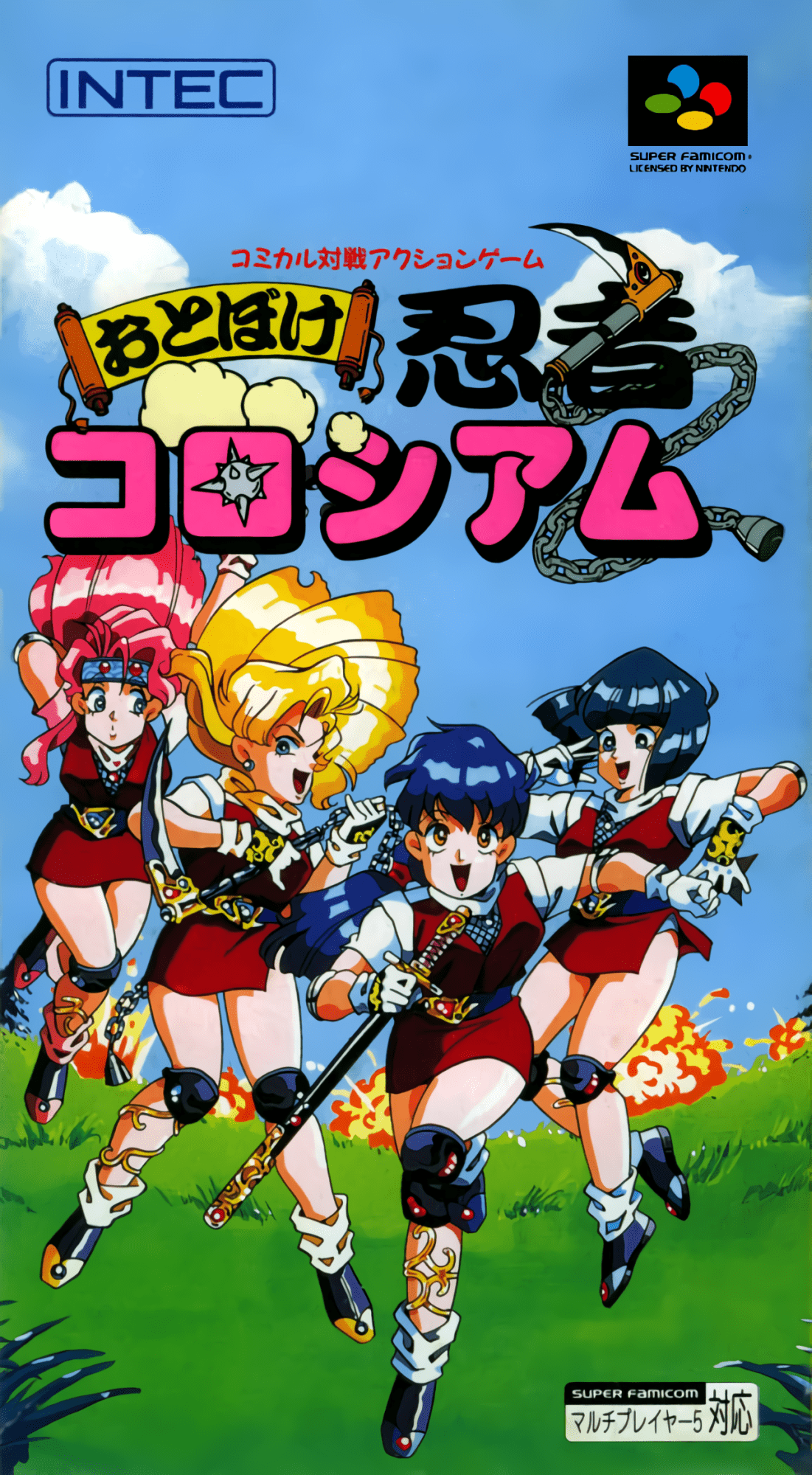
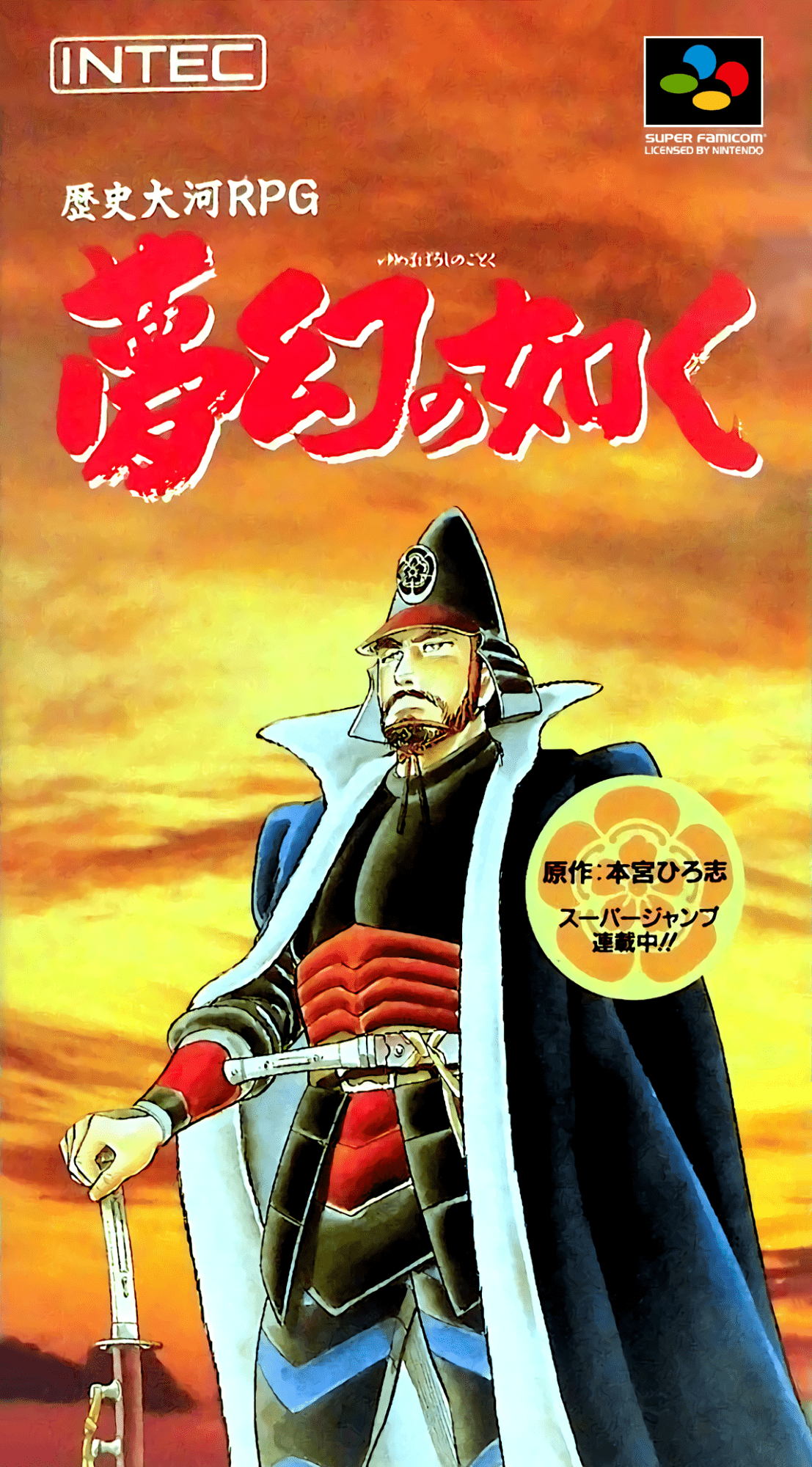
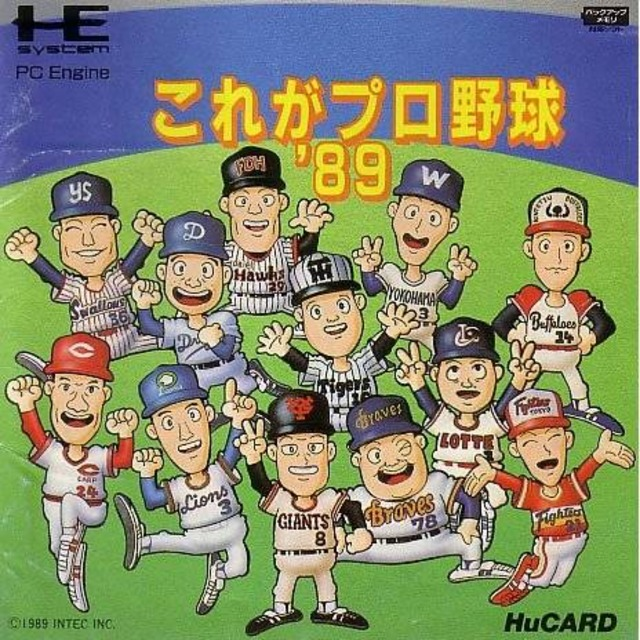
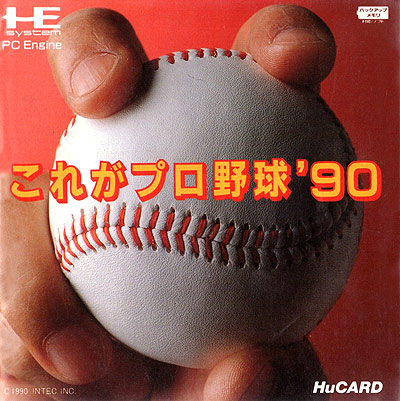
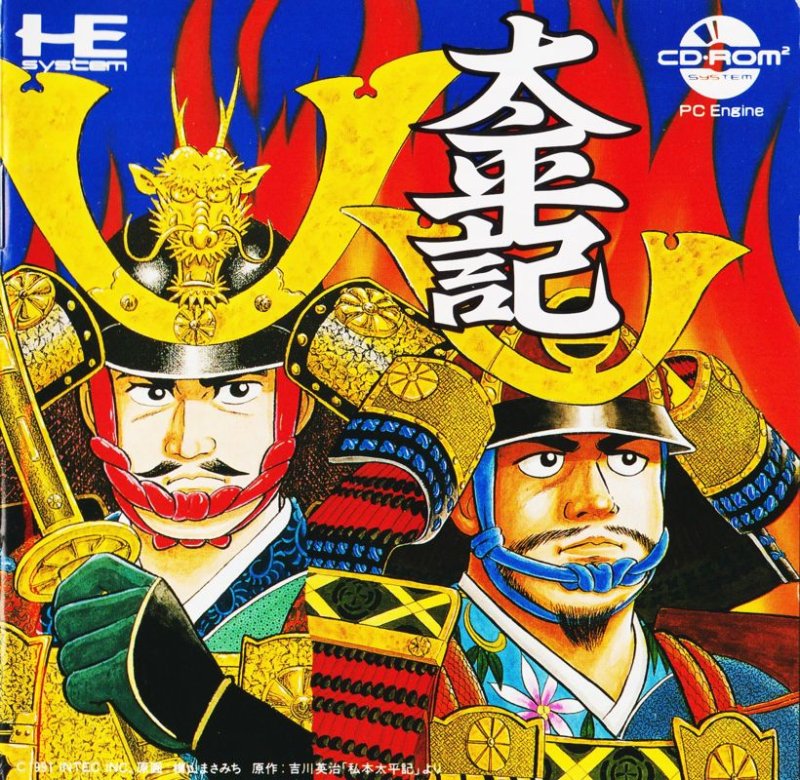
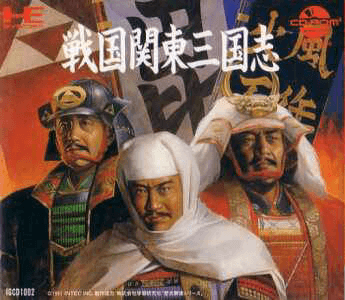
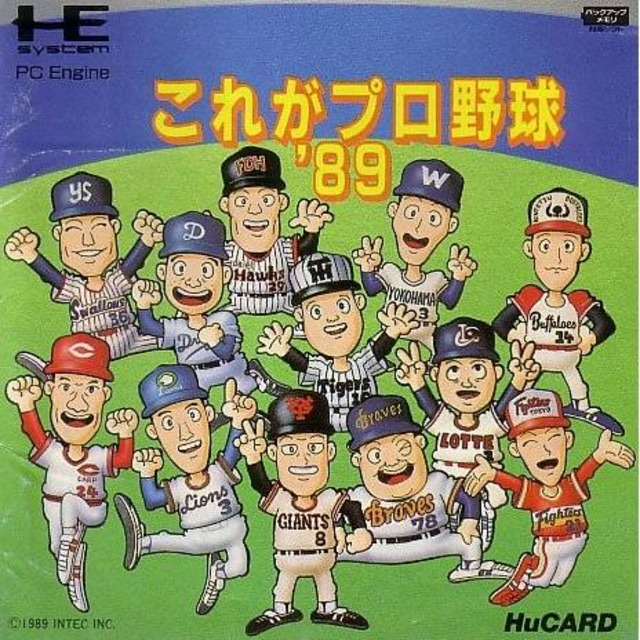
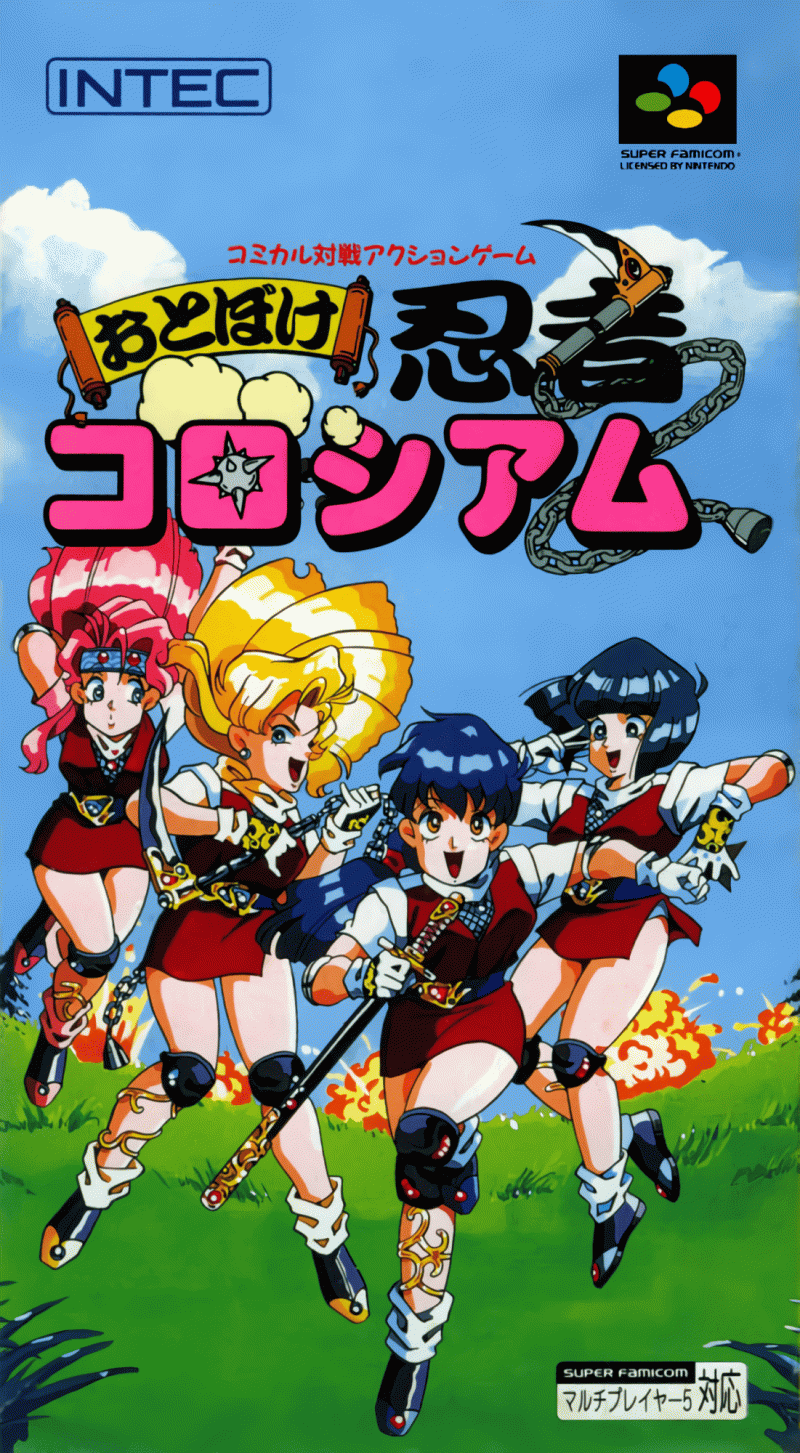
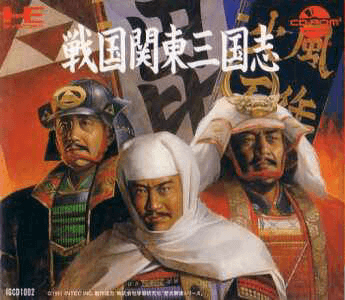
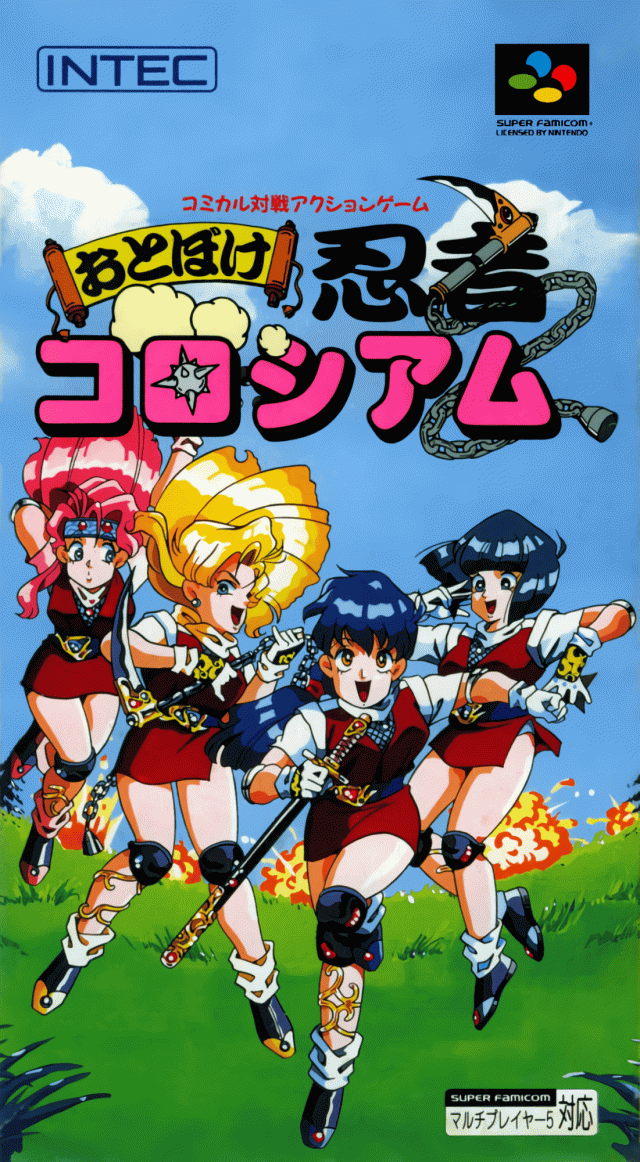
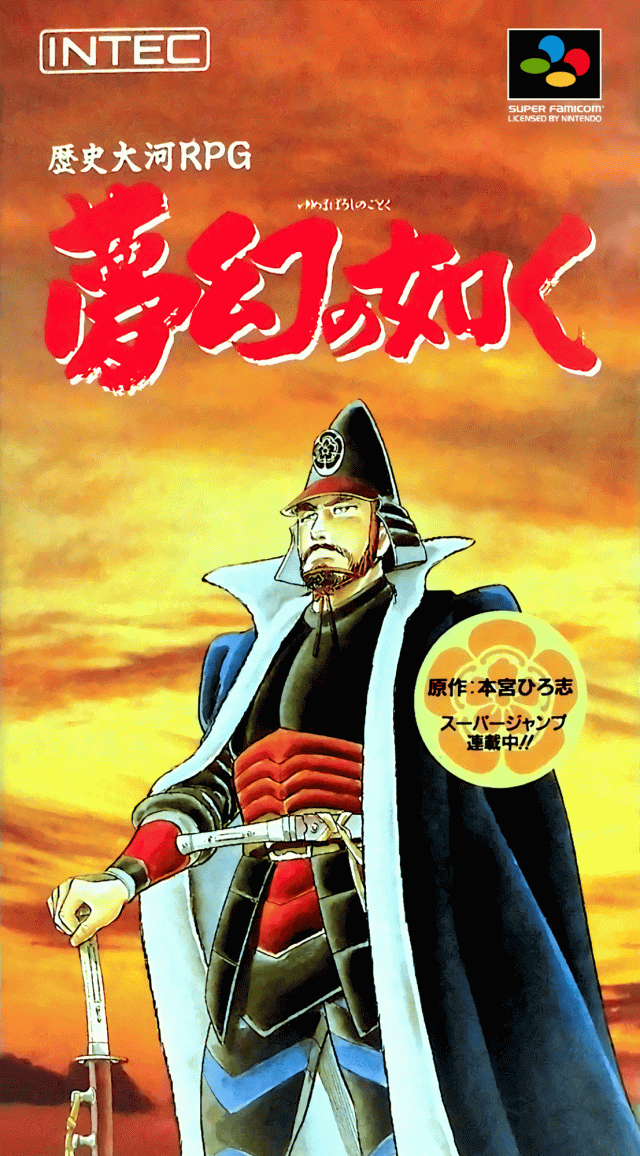
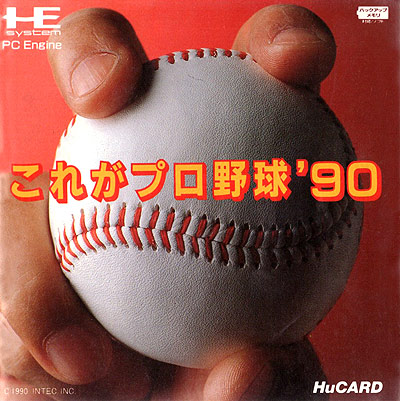
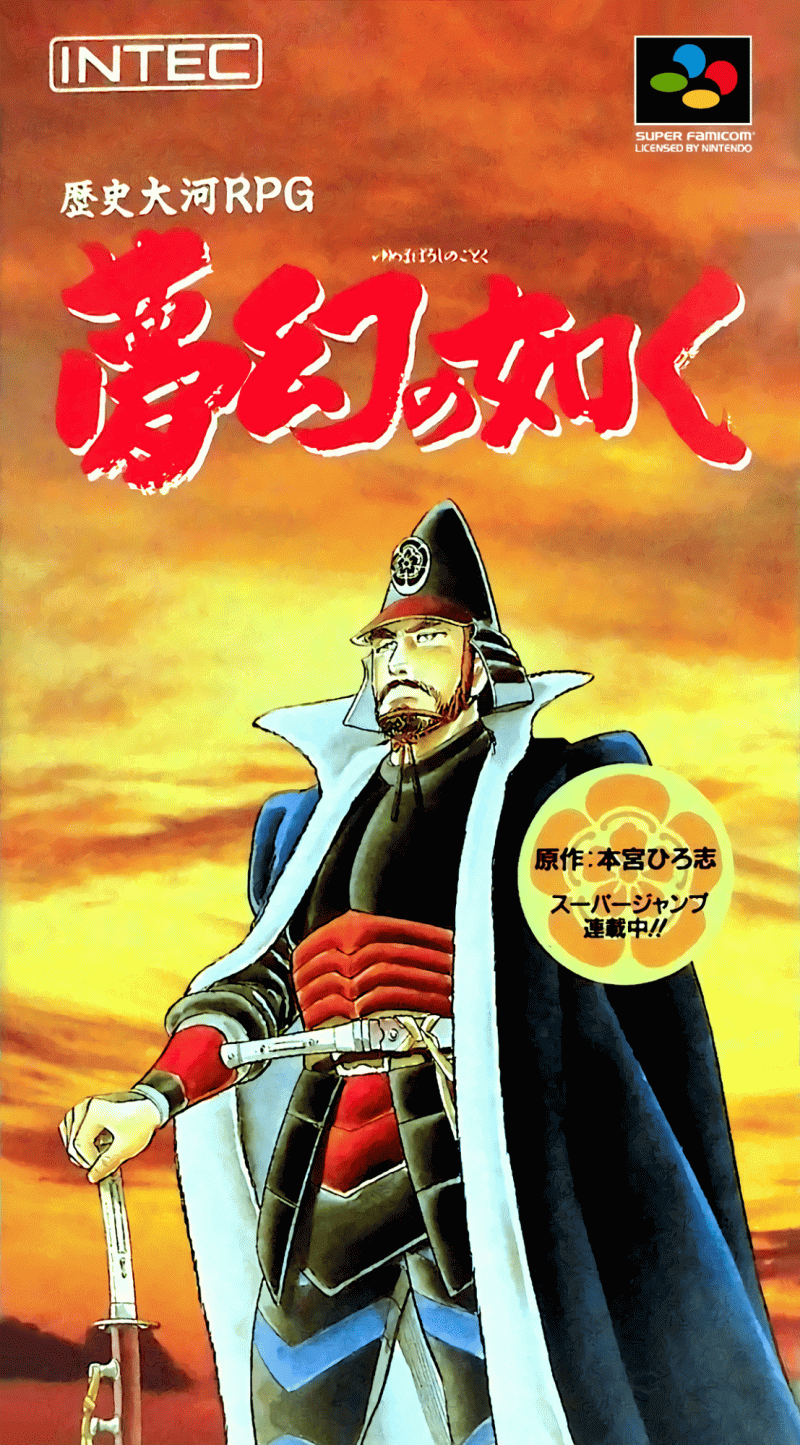
Intec published several sports and strategy titles during the 16-bit era, including the PC Engine baseball games Kore ga Pro Yakyuu '89 and Kore Ga Pro Yakyuu '90. They also released historical simulation games such as Sengoku Kantou Sankokushi, Taiheiki, and Yume Maboroshi no Gotoku. In 1995, they published the action-puzzle game Otoboke Ninja Colosseum for the Super Famicom.
Operating primarily as a publisher during the late 1980s and early 1990s, the company collaborated with various external developers to bring these projects to market. The early baseball duology,
Kore ga Pro Yakyuu '89 and
Kore Ga Pro Yakyuu '90, utilized the PC Engine's HuCard format to deliver competitive multiplayer modes and battery backup features for league tracking.
As the 16-bit console market matured, the publisher expanded its reach to Sega's Mega Drive. The historical simulations drew heavily from classical Japanese literature and military history.
Taiheiki adapted the 14th-century epic of the same name, while
Yume Maboroshi no Gotoku focused on the life of Oda Nobunaga, utilizing the expanded storage of the Mega Drive to deliver detailed tactical maps and text-heavy narratives. Meanwhile,
Sengoku Kantou Sankokushi leveraged the PC Engine's CD-ROM² system to incorporate redbook audio and voice acting, enhancing the dramatic presentation of the Kanto region's feudal conflicts.
The release of
Otoboke Ninja Colosseum represented a shift toward multiplayer-focused party mechanics. Developed by Mint, this title featured grid-based arenas where players used chain hooks to defeat opponents, showcasing the publisher's diversification before exiting the console software market.