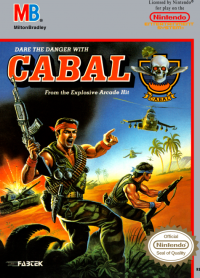
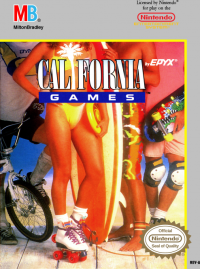
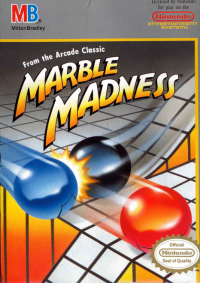
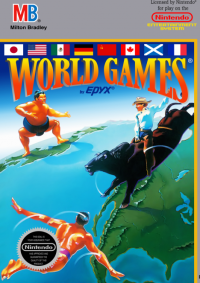
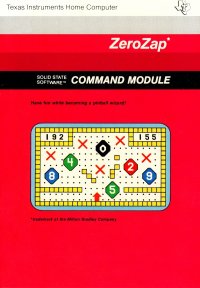
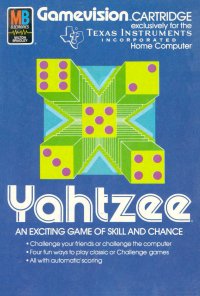
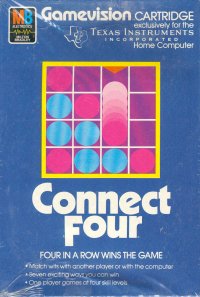
Milton Bradley Co. entered the electronic gaming space by adapting its classic board games into digital formats like Connect Four and Yahtzee, alongside dedicated handhelds like Zero Zap. During the late 1980s and early 1990s, the company served as a prominent publisher for Nintendo Entertainment System releases, bringing arcade and computer hits like Marble Madness, Cabal, Abadox, World Games, and California Games to home consoles.
The company's early digital efforts leveraged the Microvision, the first handheld console with interchangeable cartridges. This platform hosted the portable iterations of
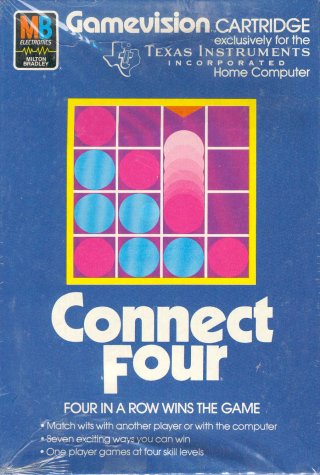
Connect Four and
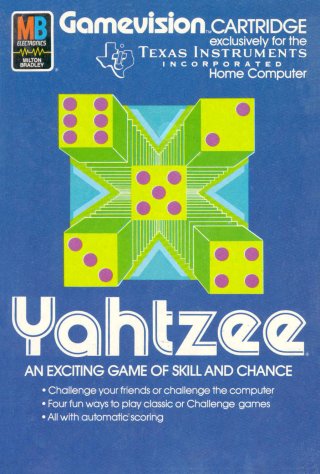
Yahtzee, alongside original electronic titles like
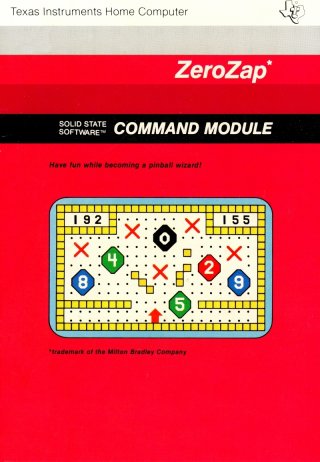
Zero Zap. These releases demonstrated how traditional tabletop play could transition into early LCD-based microprocessors.
When transitioning to the Nintendo Entertainment System, the publisher collaborated with external developers to handle technical conversions. For
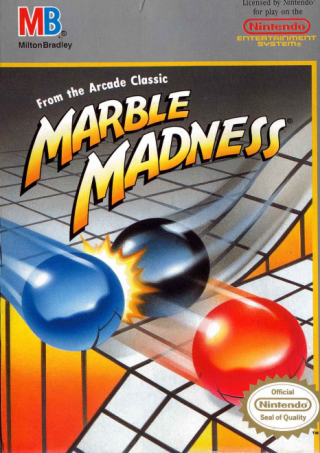
Marble Madness, developer Rare recreated the complex physics of the arcade original to suit standard console controllers. Similarly, partnerships with Epyx brought the multi-sport simulations
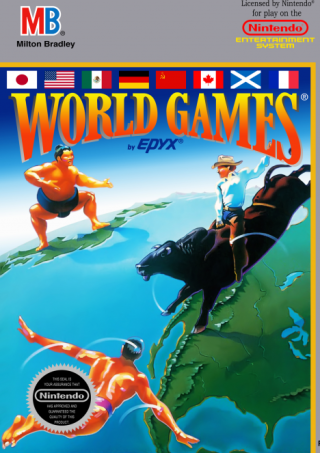
World Games and
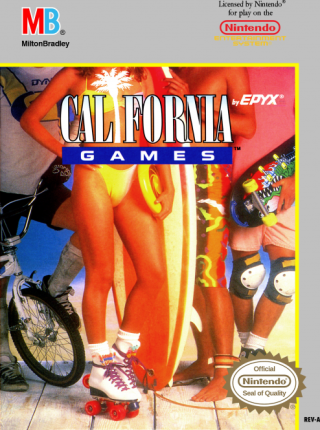
California Games to a broader console audience, retaining their competitive, event-based structures.
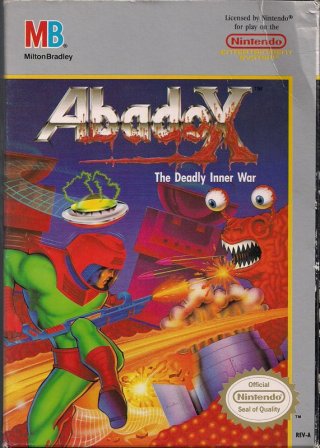
In the action genre, the publisher distributed Natsume's
Abadox, a challenging shoot 'em up distinguished by its biological, body-horror visual design. They also delivered
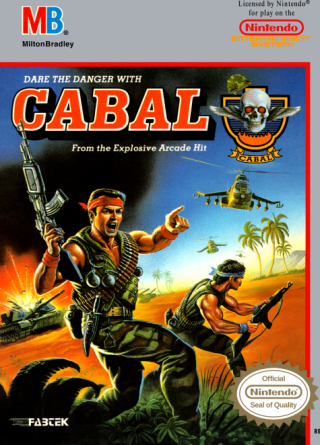
Cabal, adapting the tactical, screen-scrolling arcade shooter for home players. These releases solidified the brand's presence in the 8-bit console market before parent company Hasbro consolidated its interactive divisions in the mid-1990s.