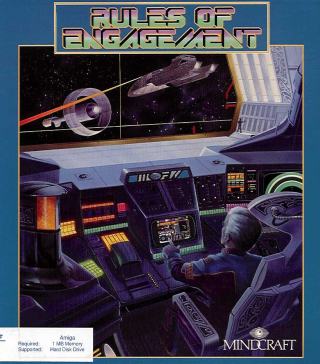
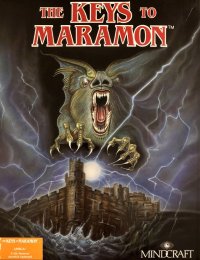
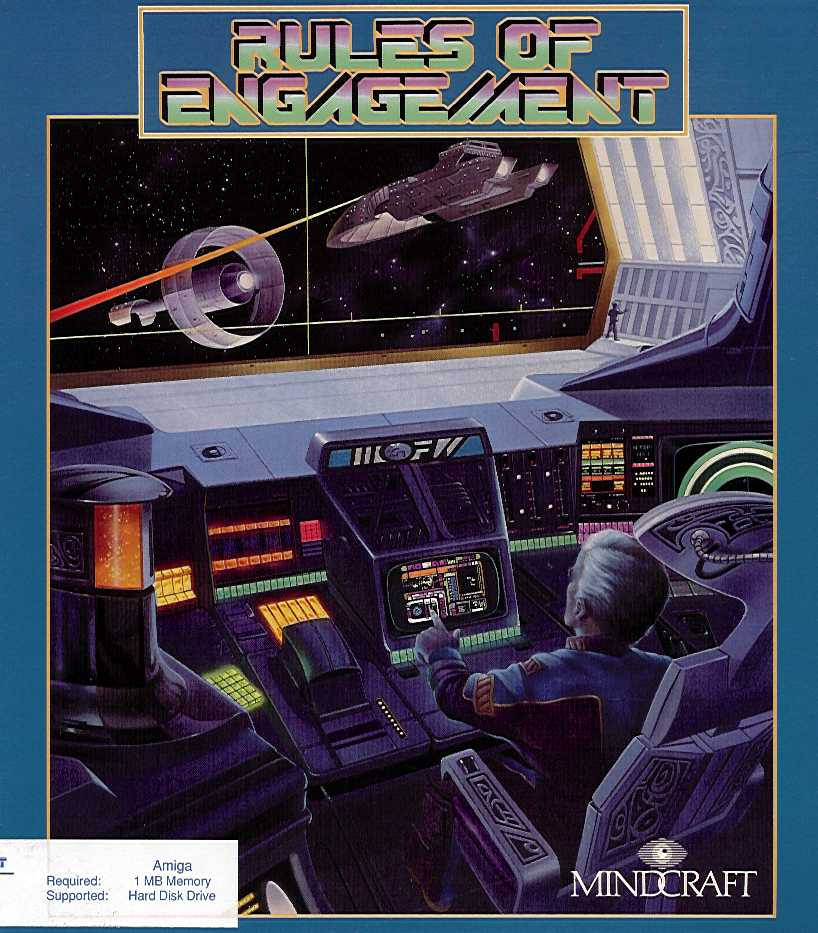
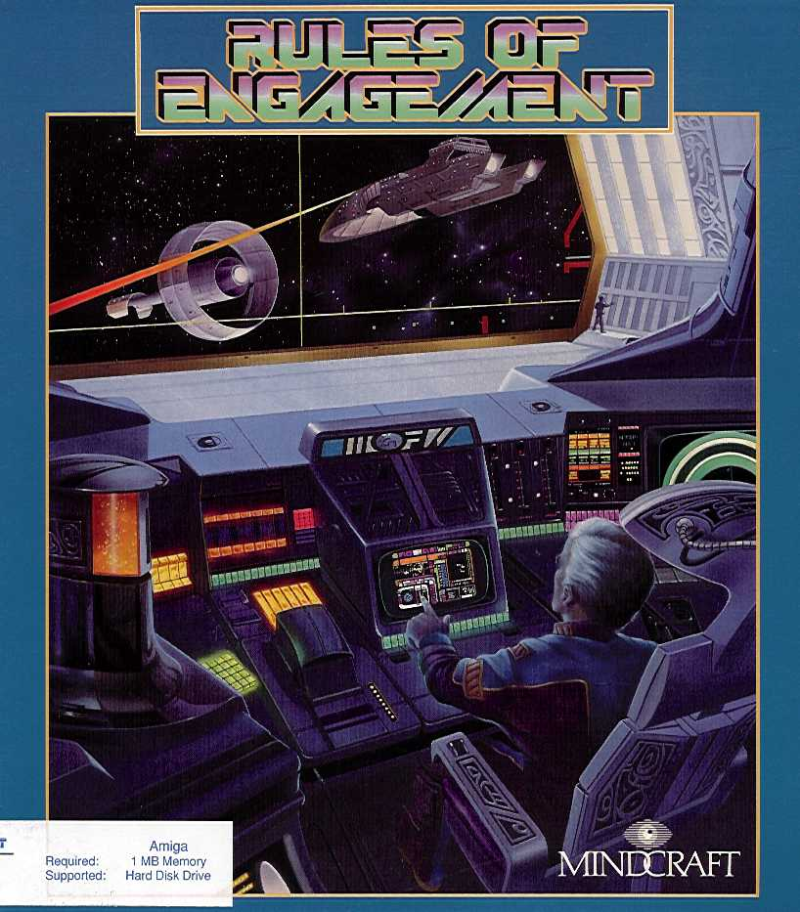
Mindcraft Software Inc. is best known for creating the fantasy role-playing series The Magic Candle (1989) and its action-RPG spin-off The Keys to Maramon (1991). The company also developed and published the tactical space simulation game Rules of Engagement (1991). Their titles were highly regarded for their depth, complex mechanics, and detailed world-building.
Founded by Ali Atabek, the studio designed the fictional world of Deruvia for
The Magic Candle, introducing innovative party mechanics where players could split their group to perform domestic tasks, earn money, or gather information independently. This design philosophy carried over into the spin-off
The Keys to Maramon, which shifted the gameplay toward real-time action within a single city while maintaining the core setting's lore. The success of the debut title prompted the development of direct sequels,
The Magic Candle II: The Four and One (1991) and
The Magic Candle III (1992), which expanded the narrative arc of the original universe.
In the sci-fi genre, the tactical systems of
Rules of Engagement were designed to interface directly with Omnitrend Software's
Breach 2, allowing players to transition from fleet-level command to individual tactical ground combat. This cross-compatibility between different game engines was a pioneering concept in early 1990s computer gaming. Mindcraft operated primarily out of California, utilizing platforms like MS-DOS, Amiga, and Commodore 64 to deliver these interconnected systems before the company ceased operations in the mid-1990s.