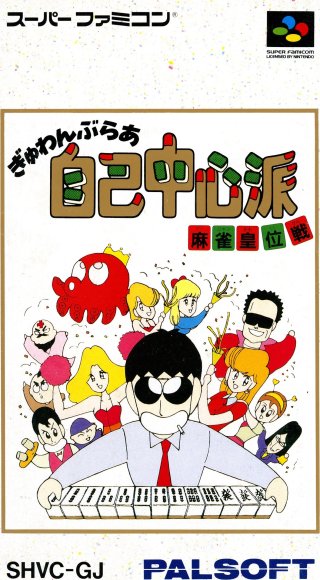
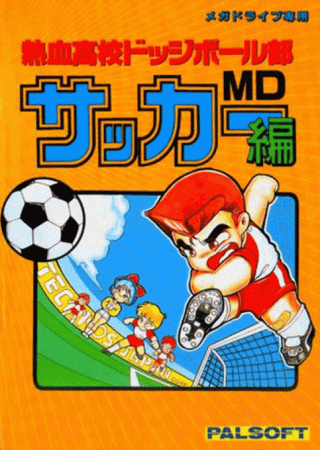
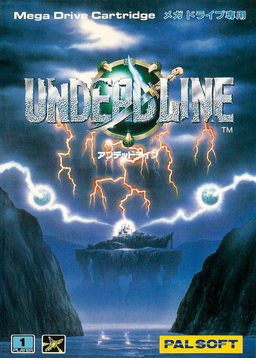
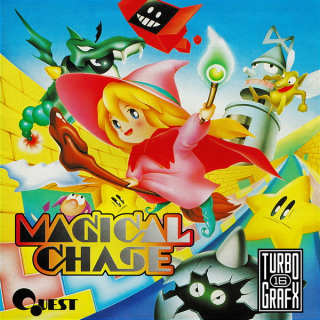
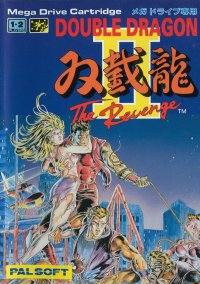
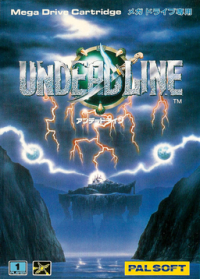
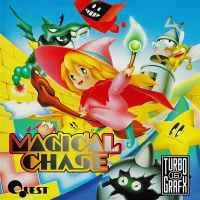
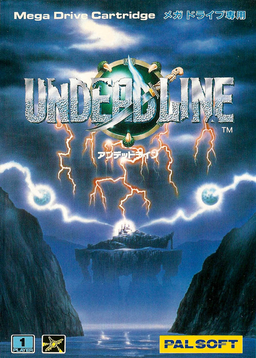
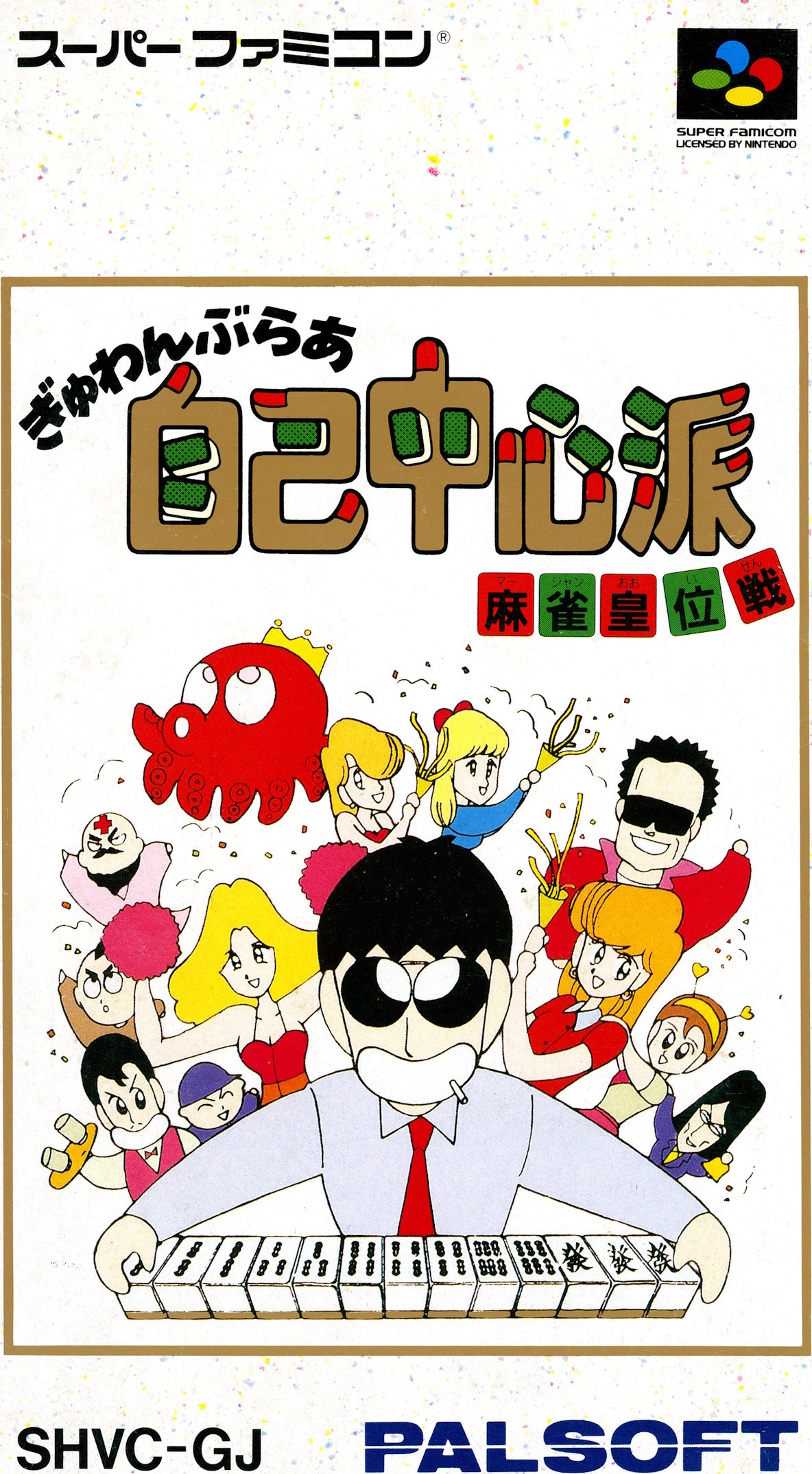
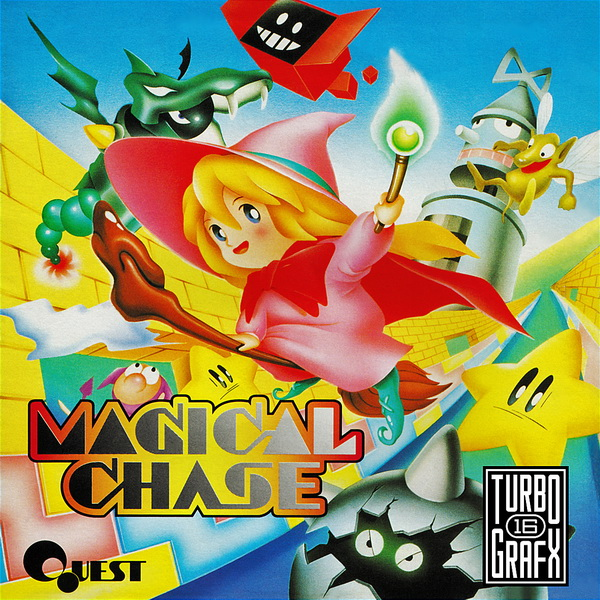
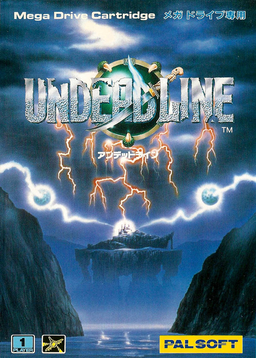
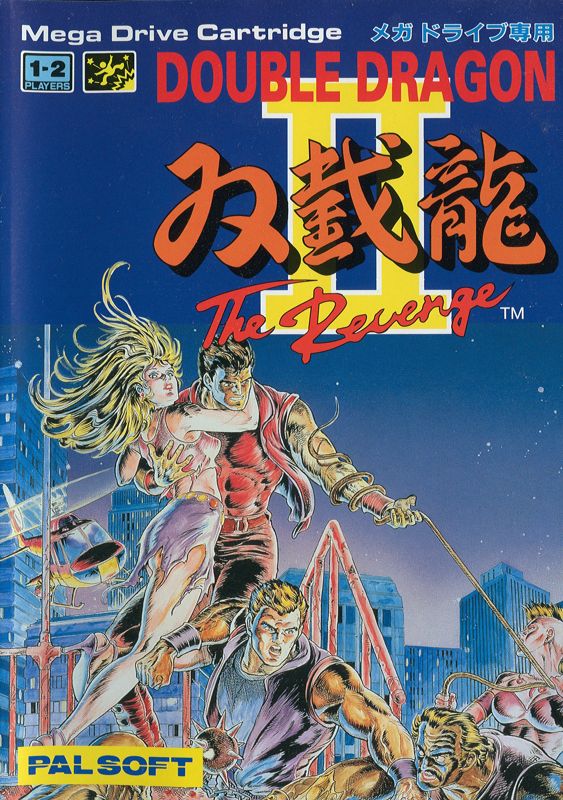
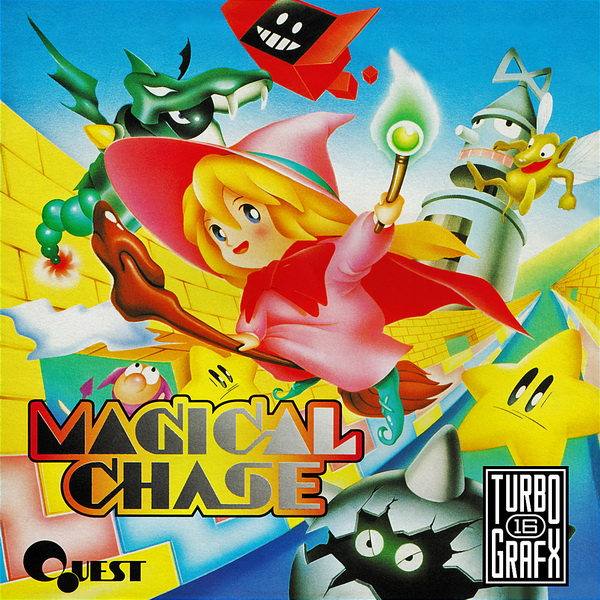
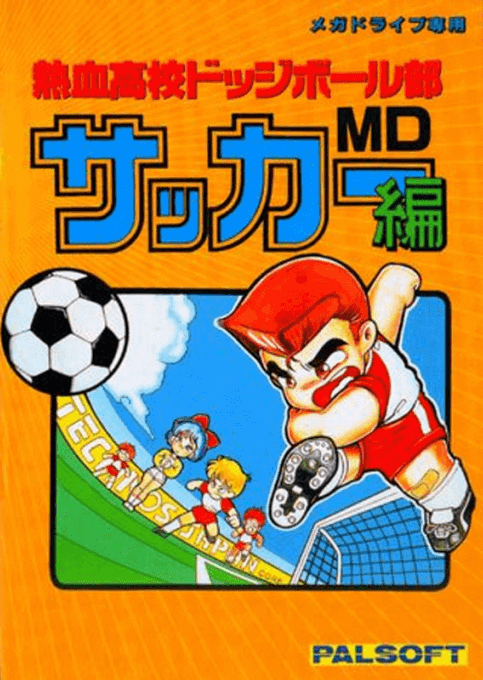
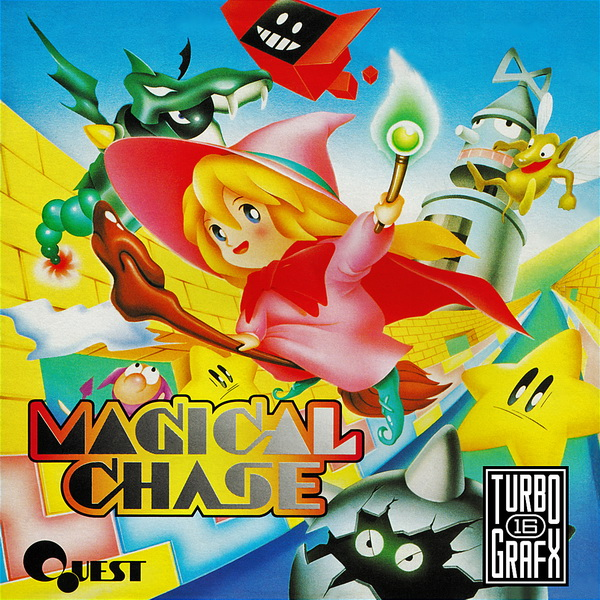
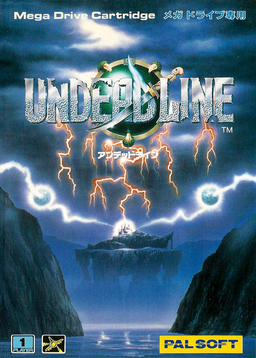
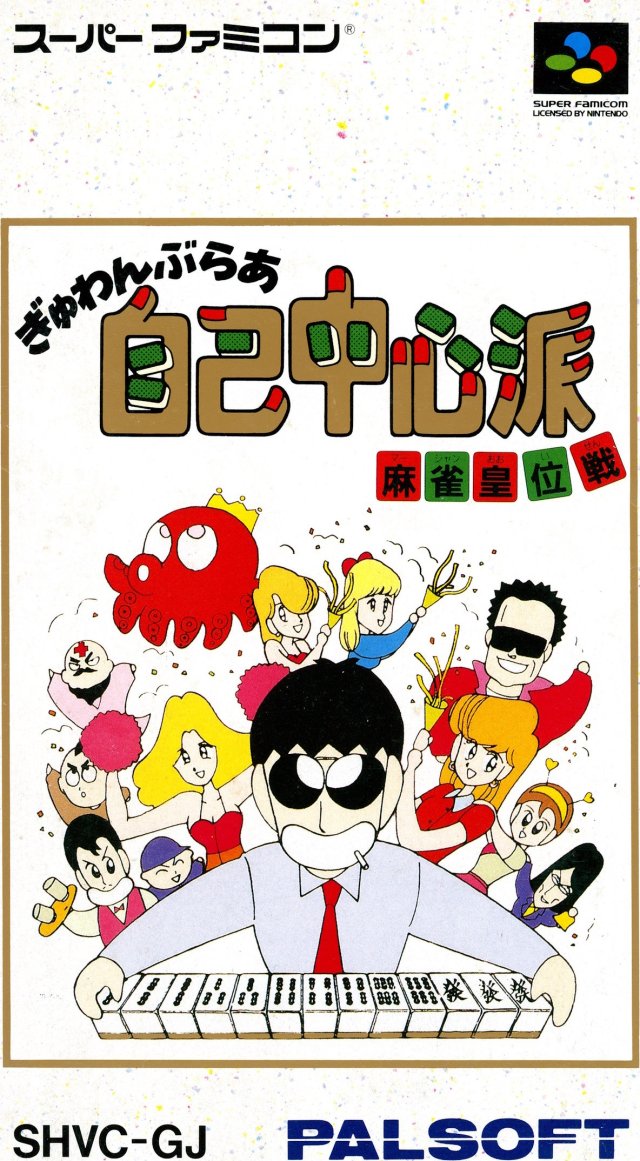
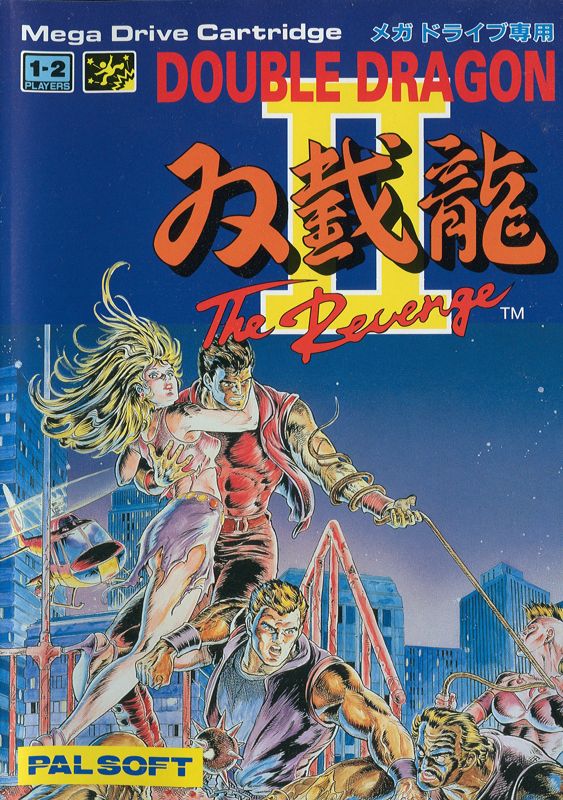
PalSoft published several notable titles during the 16-bit era, including the highly sought-after PC Engine shoot 'em up Magical Chase in 1991. They were responsible for publishing the Sega Mega Drive ports of Undeadline and Double Dragon II: The Revenge in 1991, as well as Nekketsu Kouko Dodgeball Bu: Soccer Hen MD in 1992. The company also contributed to the Gambler Jiko Chuushinha franchise by publishing Gambler Jiko Chuushinha: Mahjong Kouisen in 1992.
Operating primarily within the Japanese domestic market during the early 1990s, the publisher specialized in bringing established arcade, computer, and manga properties to home consoles. By securing licensing agreements with developers like Technōs Japan, the company expanded the reach of major intellectual properties. Their rendition of
Double Dragon II: The Revenge represented a high-profile attempt to capture the cooperative beat 'em up craze on Sega hardware, translating the franchise's signature martial arts gameplay for home audiences.
Similarly, the publisher tapped into popular Japanese subcultures by adapting Masayuki Katayama's comedic mahjong manga. This release strengthened the
Gambler Jiko Chuushinha franchise's presence on 16-bit platforms, offering fans tactical gameplay paired with recognizable character humor.
The enduring legacy of the publisher is heavily defined by extreme scarcity. The original release of
Magical Chase achieved legendary status among collectors due to its low print run, eventually prompting high-quality modern preservation projects such as the
PCE Works Magical Chase [Limited Edition] package. This combination of high-profile franchise adaptations and rare, cult-classic releases defines the company's historical footprint in the video game industry.