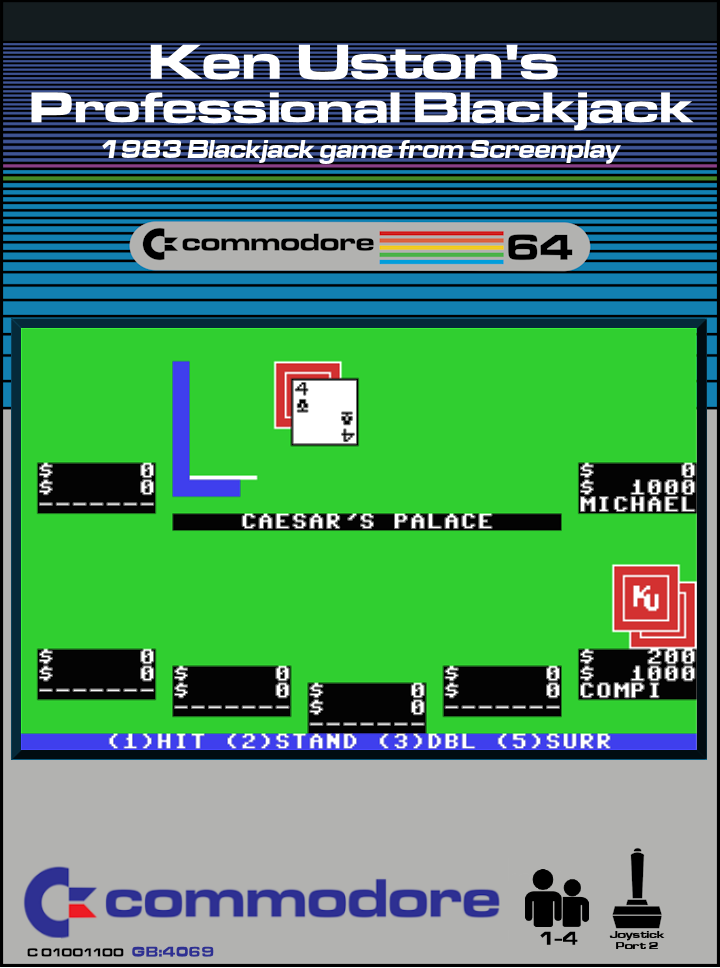
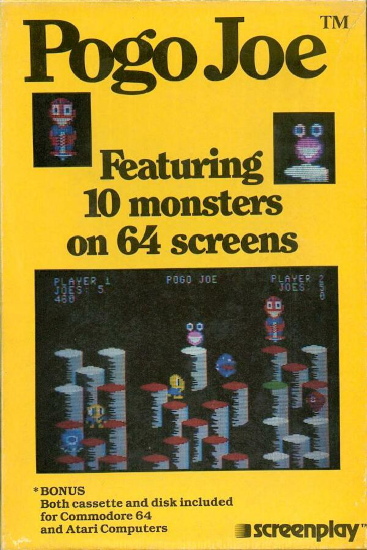
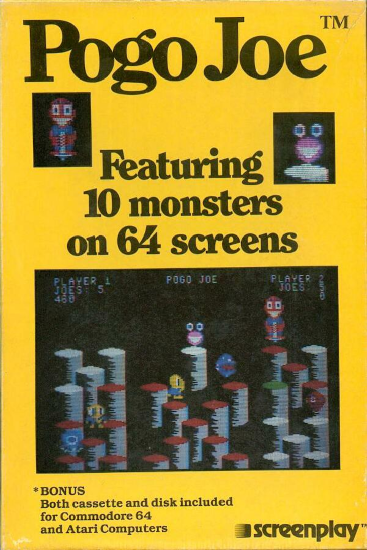
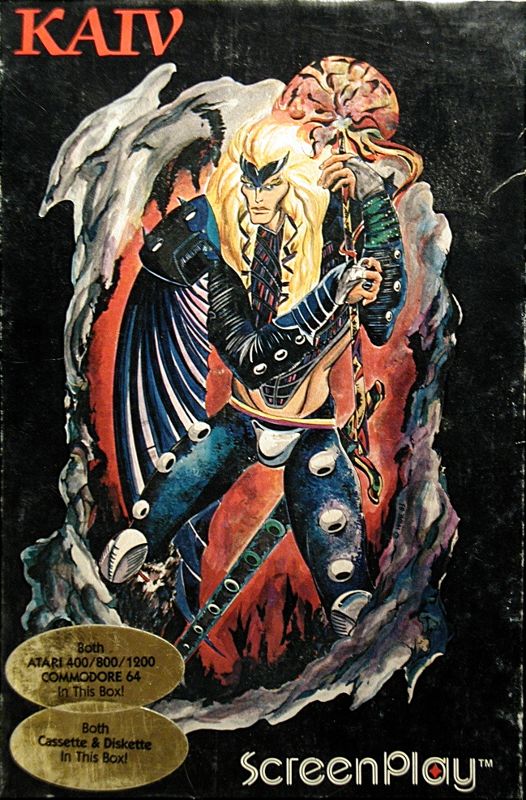
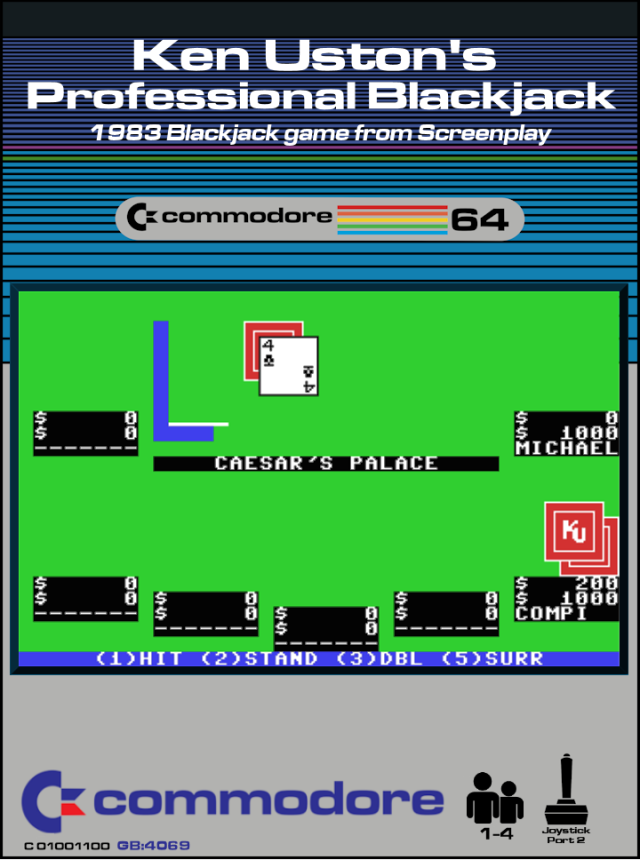
Screenplay, often associated with Med Systems Software, was an active publisher in the early home computer market. The company published notable titles such as the card simulation Ken Uston's Professional Blackjack in 1982, the action-platformer Pogo Joe in 1983, the adventure game Kaiv in 1983, and the 3D graphic adventure Asylum in 1985.
Originating from the transition of its parent brand into mainstream disk-based entertainment, the label focused on porting software across diverse microcomputer platforms, including the Atari 8-bit family, Apple II, and Commodore 64.
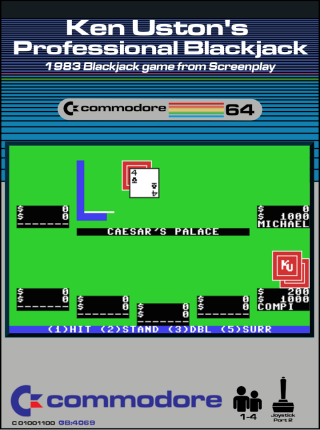
The development of
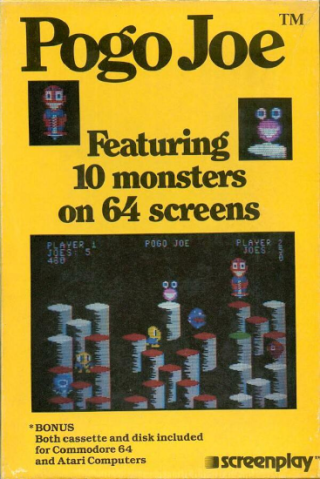
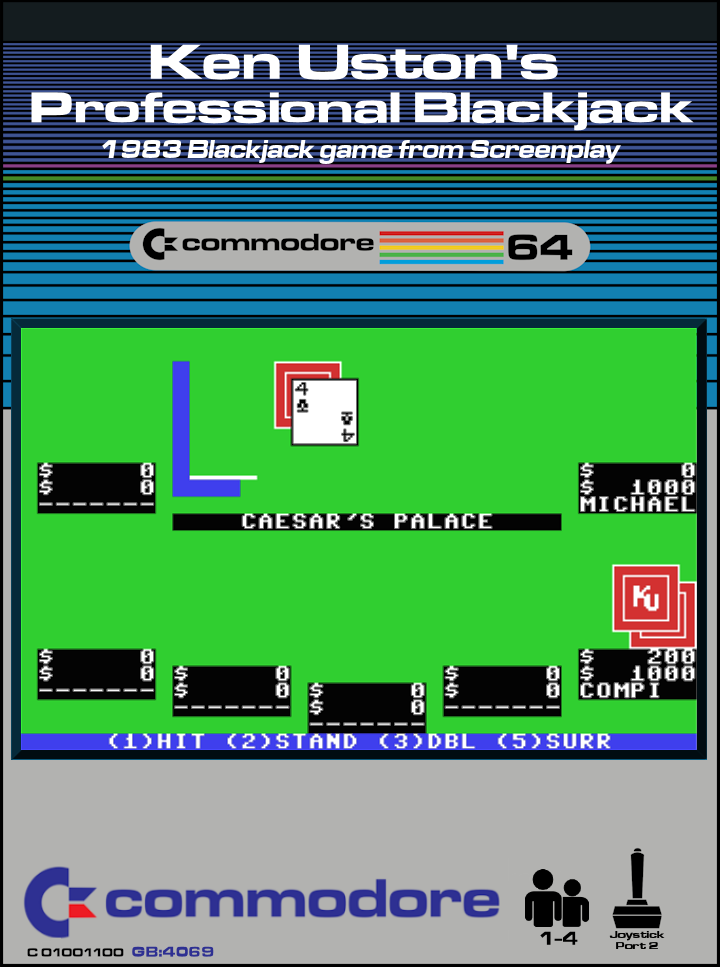
Ken Uston's Professional Blackjack leveraged the mathematical theories of its namesake, a famous card counter, offering players an advanced strategy guide alongside gameplay. This release targeted a mature audience, contrasting with the whimsical design of
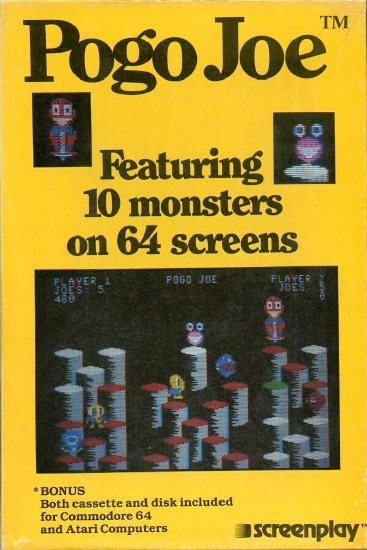
Pogo Joe, which drew inspiration from contemporary arcade trends. Developed by Oliver Steele and William Denman,
Pogo Joe utilized a unique audio-visual presentation with multi-directional scrolling and a distinct soundtrack to compete in the crowded action-platformer market.
In the adventure genre,
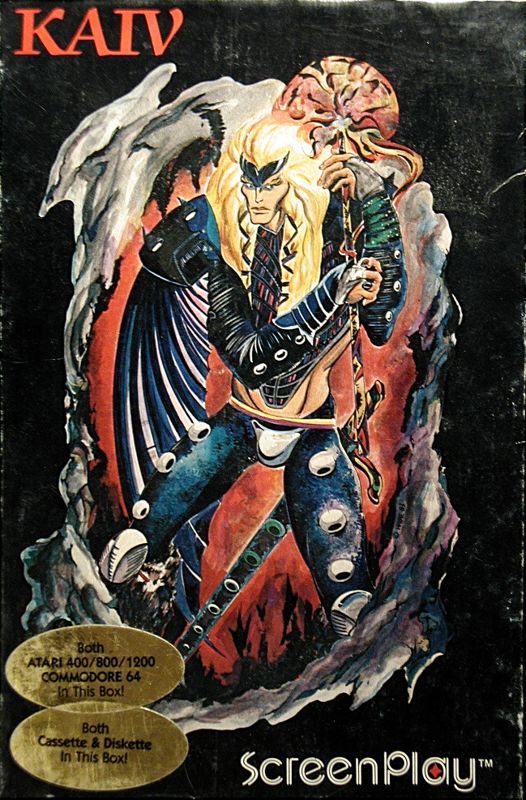
Kaiv represented the company's commitment to narrative-driven experiences, utilizing keyboard inputs and static graphics to immerse players in its fantasy setting. This design philosophy culminated in
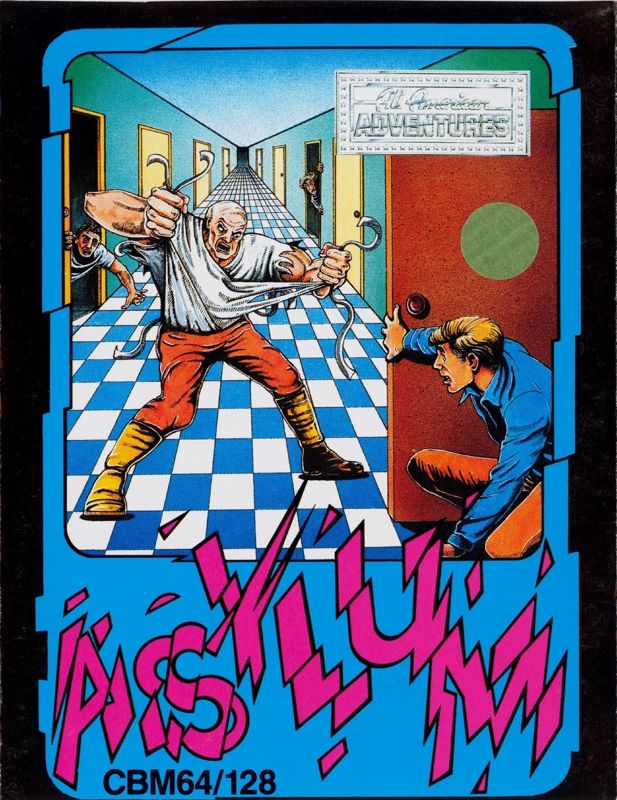
Asylum, a visually ambitious project that utilized pseudo-3D wireframe graphics to simulate a first-person perspective.
Asylum served as a technological showcase, pushing the graphical limitations of early personal computers and cementing the publisher's reputation for atmospheric, first-person exploration before the market shifted toward dedicated console systems.