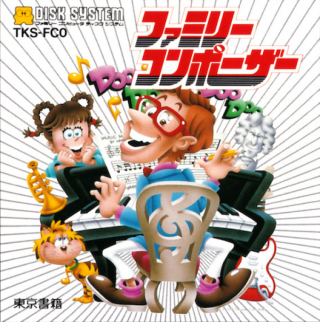
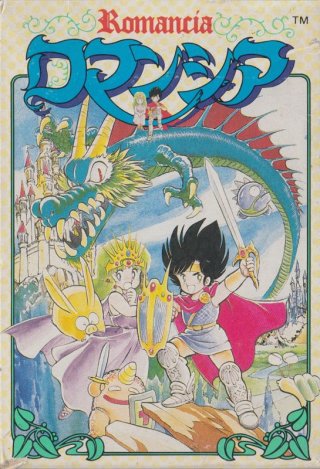
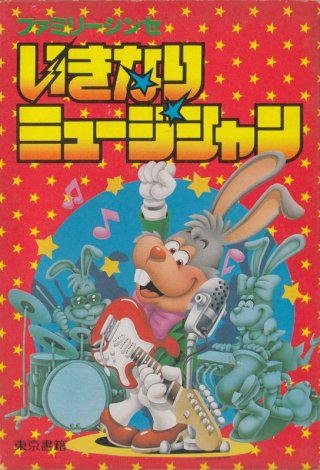
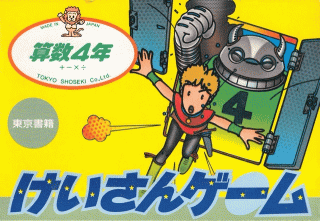
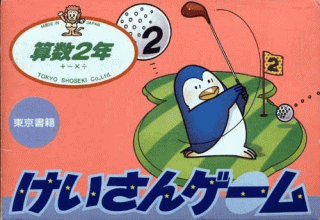
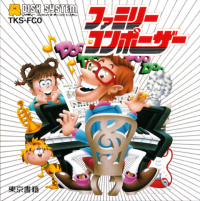
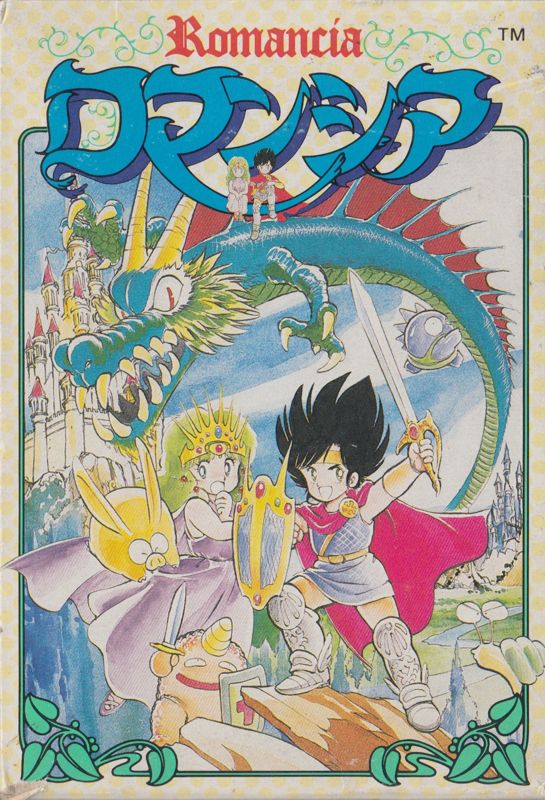
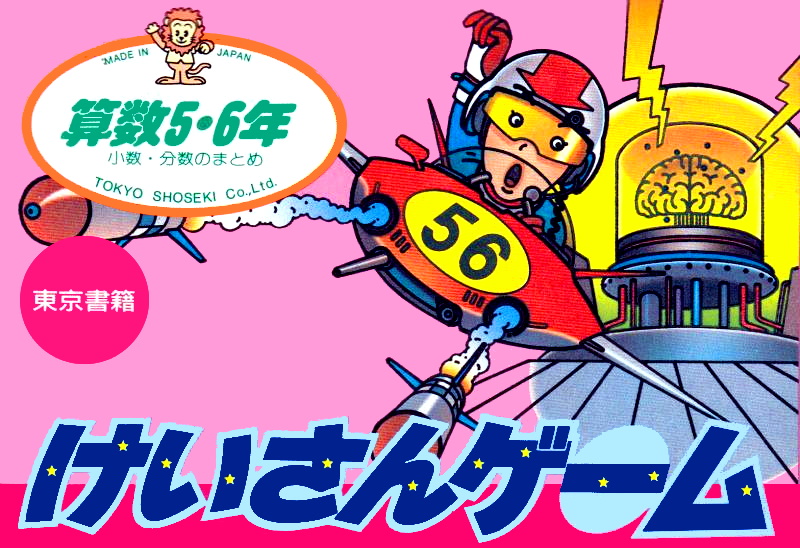
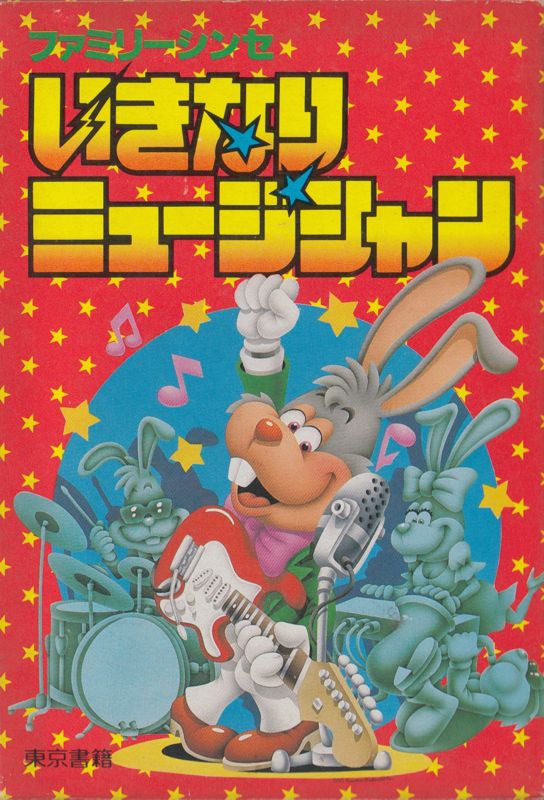
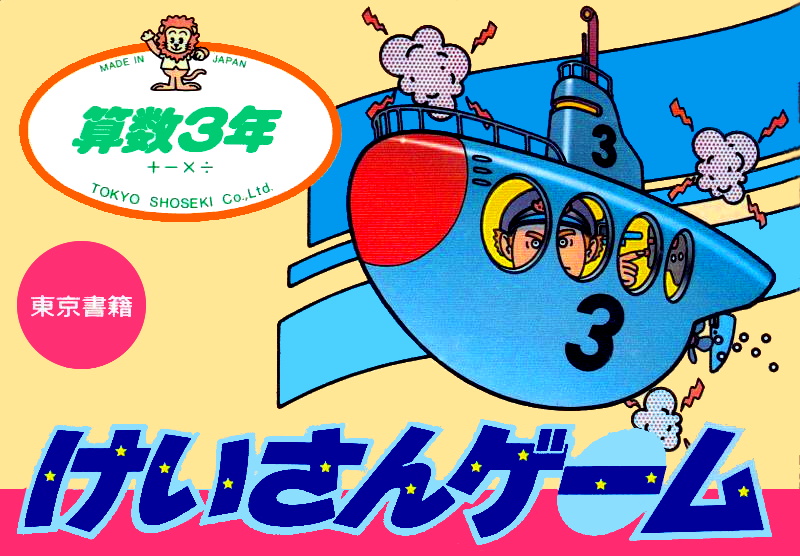
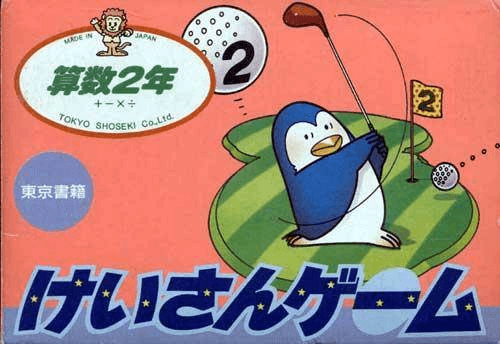
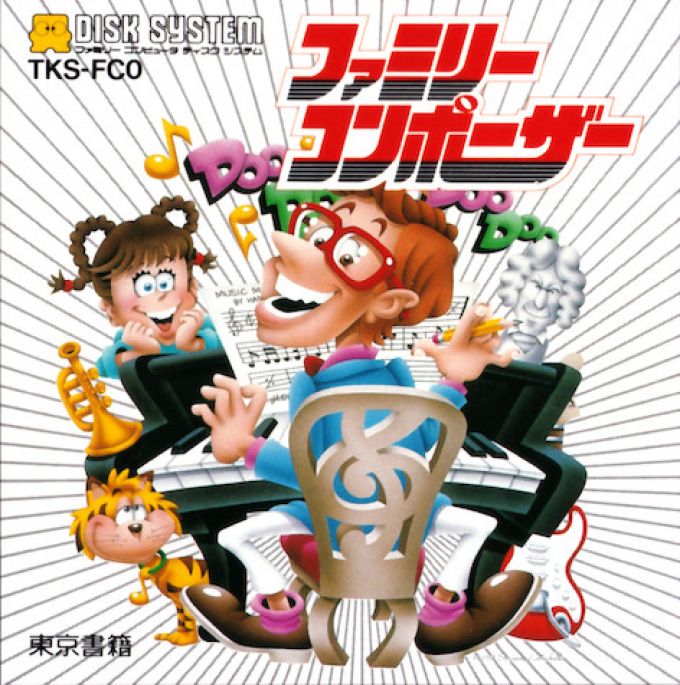
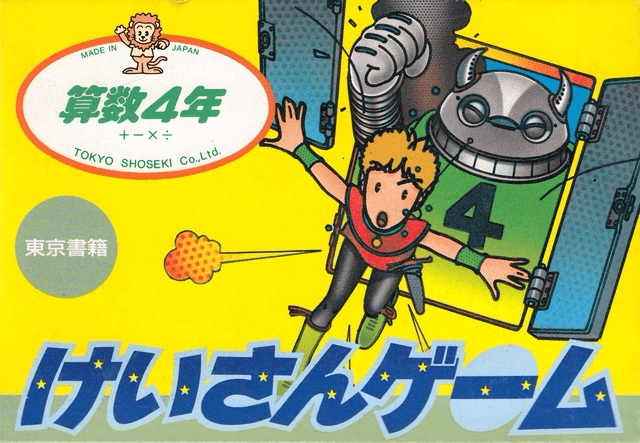
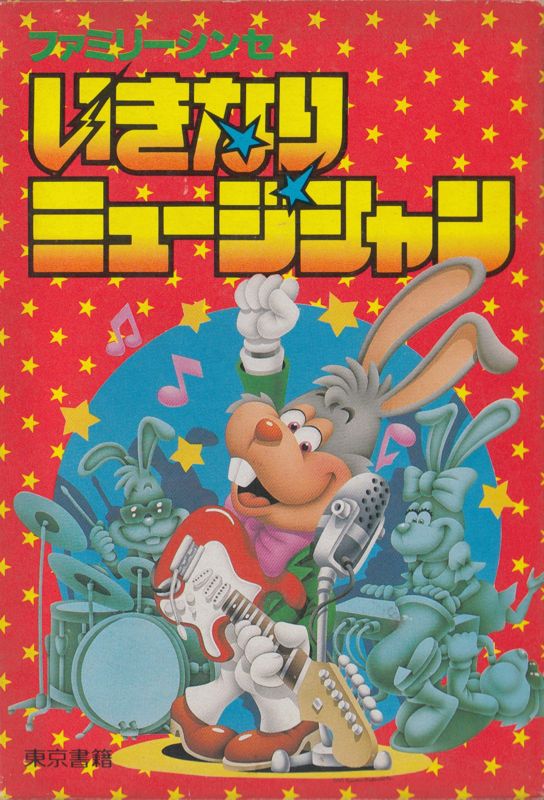
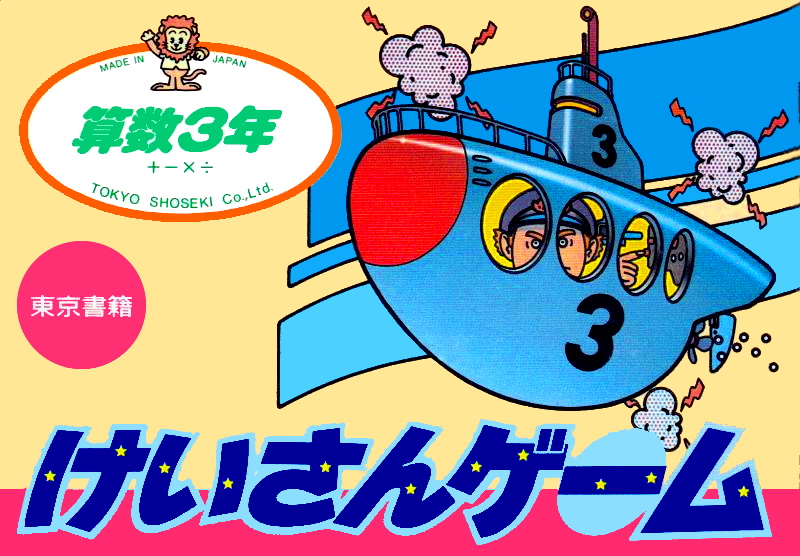
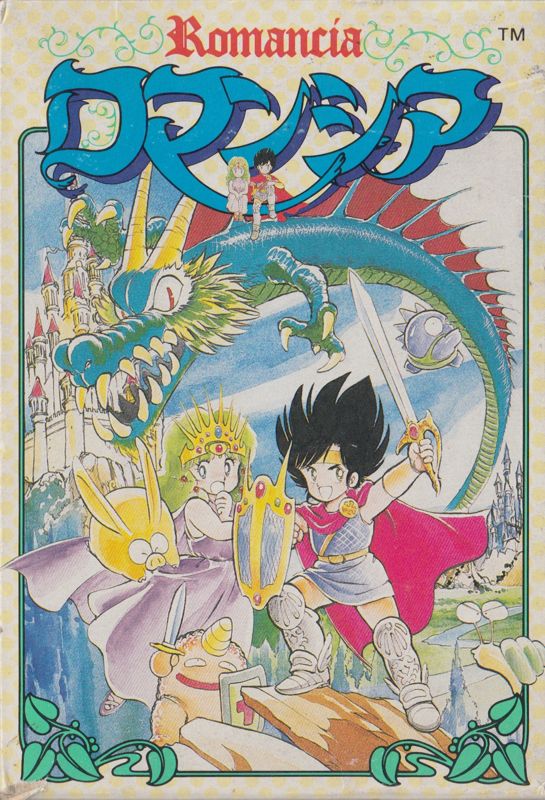
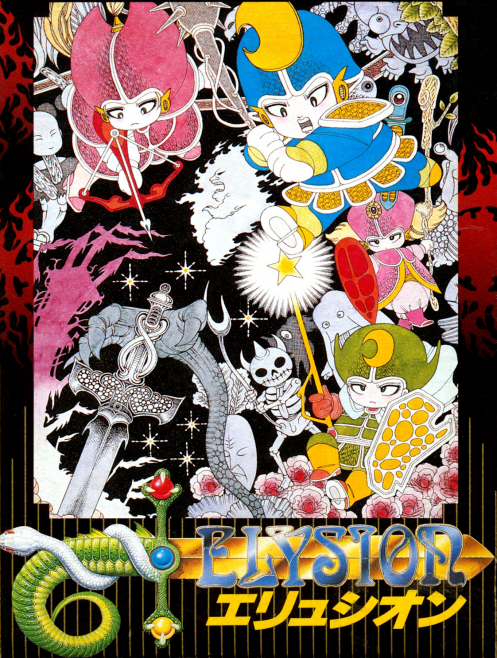
Tokyo Shoseki, primarily a school textbook publisher, entered the video game market by publishing educational software for the Famicom. They are best known for the 'Keisan Game: Sansuu' series, which taught mathematics to elementary school students across five separate releases in 1986. The company also published music-creation software like Ikinari Musician and Family Composer, as well as the Famicom port of Nihon Falcom's action-RPG Romancia.
The development of the
Keisan Game franchise represented an early attempt to merge curriculum-based pedagogy with popular 8-bit genre conventions. In
Keisan Game: Sansuu 1 Nen and
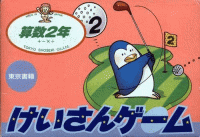
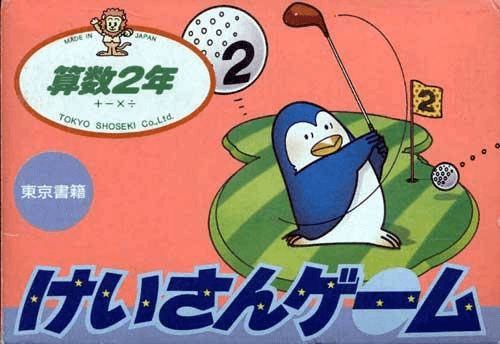
Keisan Game: Sansuu 2 Nen, basic addition and subtraction were integrated into simple driving and action sequences. As the series progressed through
Keisan Game: Sansuu 3 Nen and
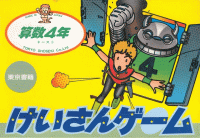
Keisan Game: Sansuu 4 Nen into
Keisan Game: Sansuu 5-6 Nen, the gameplay adapted to teach multiplication, division, decimals, and fractions through increasingly complex screen layouts and obstacles.
Expanding beyond mathematics, the publisher's creative software lineup offered accessible digital composition tools.
Ikinari Musician and
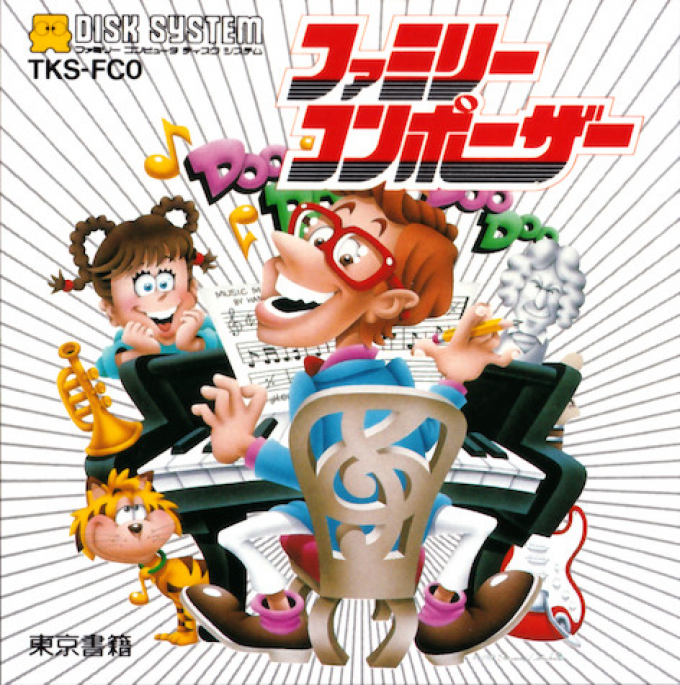
Family Composer allowed players to interact with virtual keyboards and staff notation, utilizing the console's sound chip to demystify music theory. Meanwhile, the release of
Romancia marked a departure into mainstream fantasy gaming. This port required significant adaptation to translate the complex, unforgiving mechanics of the original PC-8801 action-RPG into a format manageable with a standard Famicom controller, cementing the publisher's diverse footprint in early Japanese home console software.