WARP was an influential Japanese game studio led by designer Kenji Eno, active during the 1990s. The company is famous for the D no Shokutaku (D) franchise, which includes the original D no Shokutaku, its spiritual successor Enemy Zero, and the Dreamcast sequel D2. They also developed the unique audio-only adventure game Real Sound: Kaze no Regret.
The studio's legacy is defined by its bold experimentation with interactive cinema and platform exclusivity.
D no Shokutaku [Bliss] (1999) refined the original's real-time puzzle-solving and psychological horror, cementing the recurring character of Laura as a digital actress. Following a highly publicized dispute with Sony, the studio famously moved development of
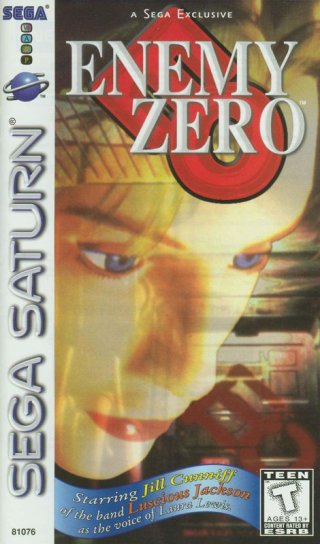
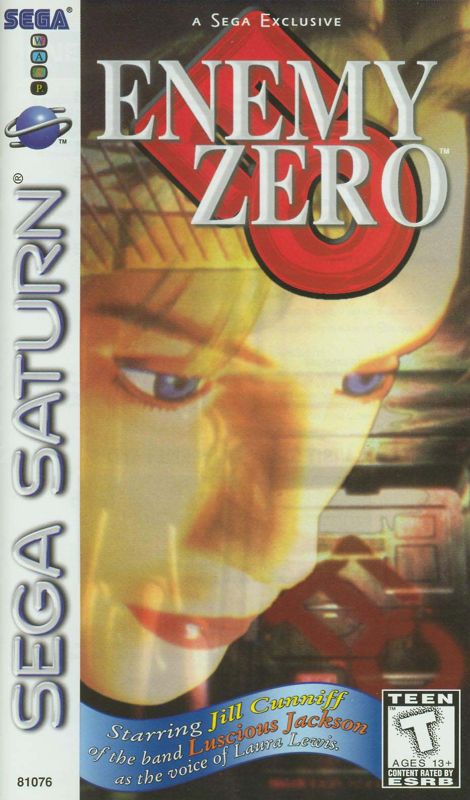
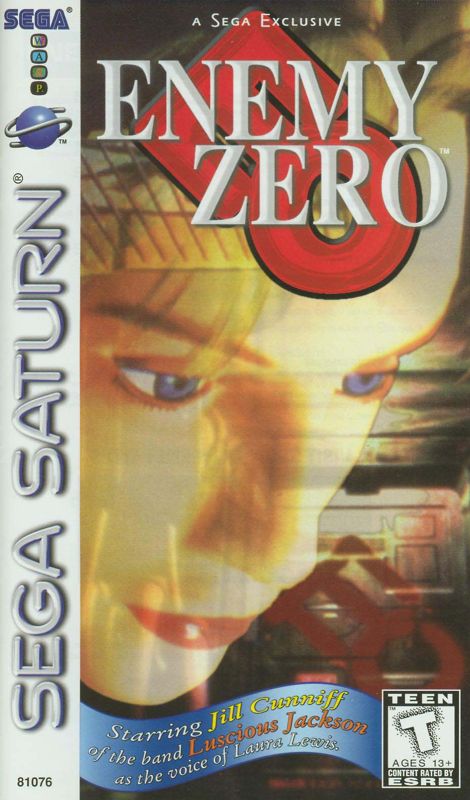
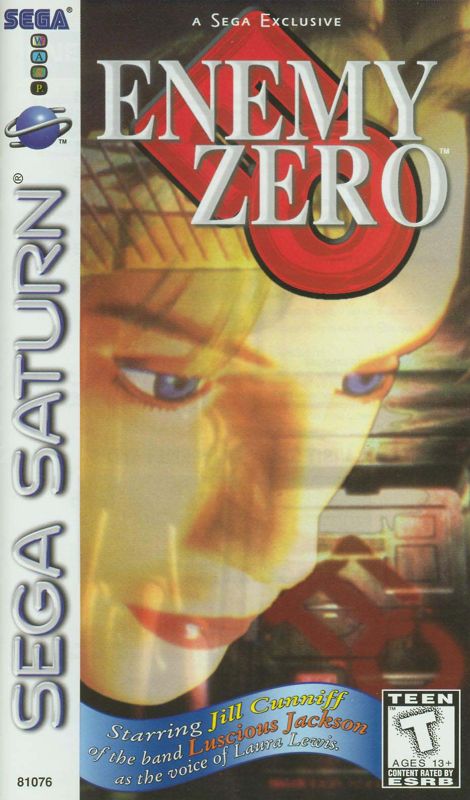
Enemy Zero (1996) to the Sega Saturn, utilizing invisible enemies and sound-based navigation to build tension.
This auditory focus culminated in
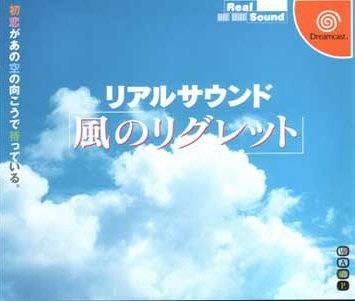
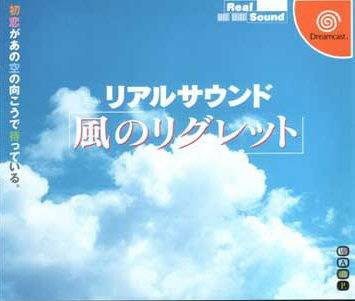
Real Sound: Kaze no Regret (1999), a groundbreaking title designed to be fully playable by visually impaired gamers, relying entirely on audio branches and tactile feedback. The franchise reached its technological peak with
D2 (1999), which was released in Japan in multiple editions, including
D no Shokutaku 2 [Hope] (1999) and
D no Sokutaku 2 [Eclipse] (1999). These releases transitioned the series from pre-rendered FMV to a real-time 3D open world on the Sega Dreamcast, blending survival horror with role-playing elements in a snowy Canadian wilderness. Through these releases, the studio pushed the boundaries of narrative-driven game design and sensory accessibility.