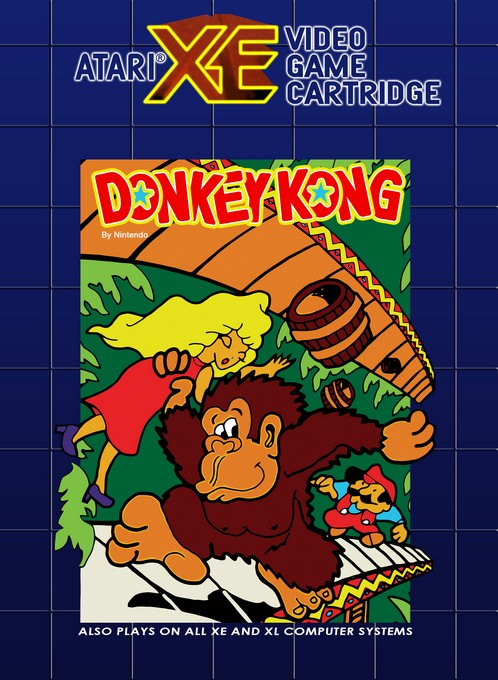
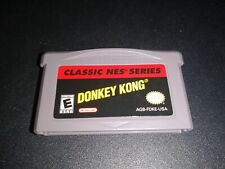
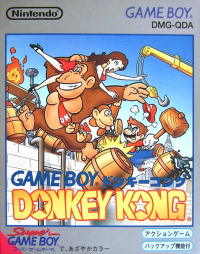
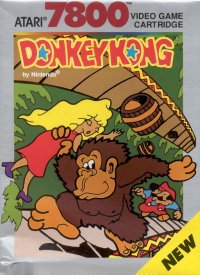
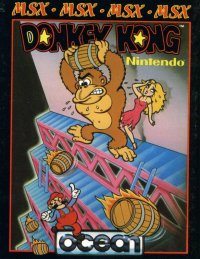
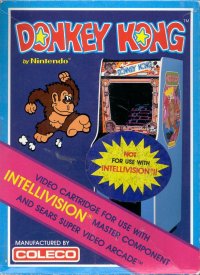
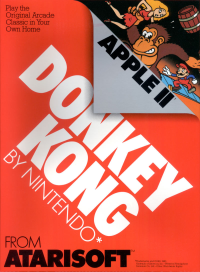
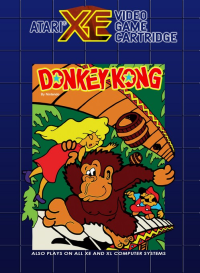
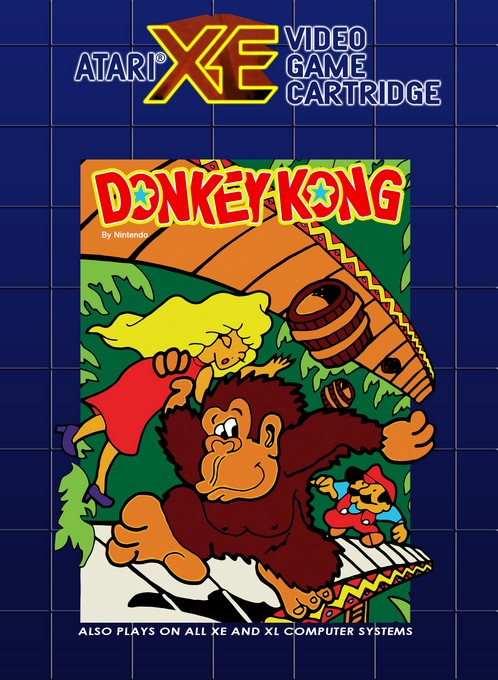
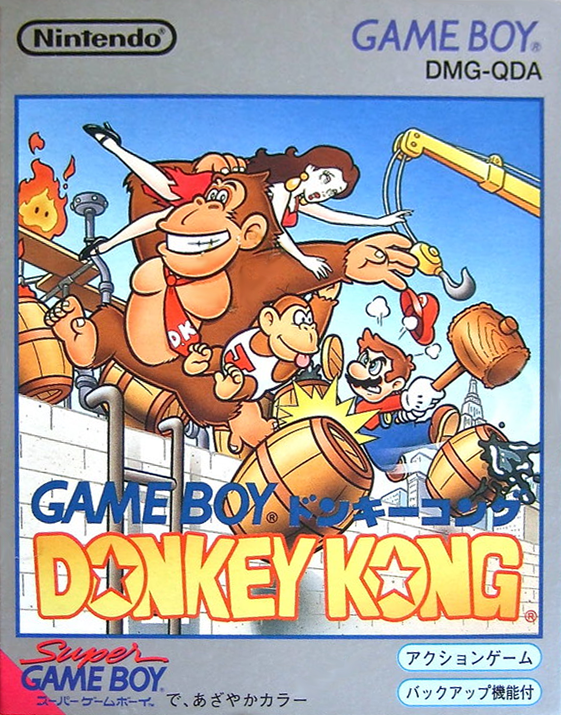
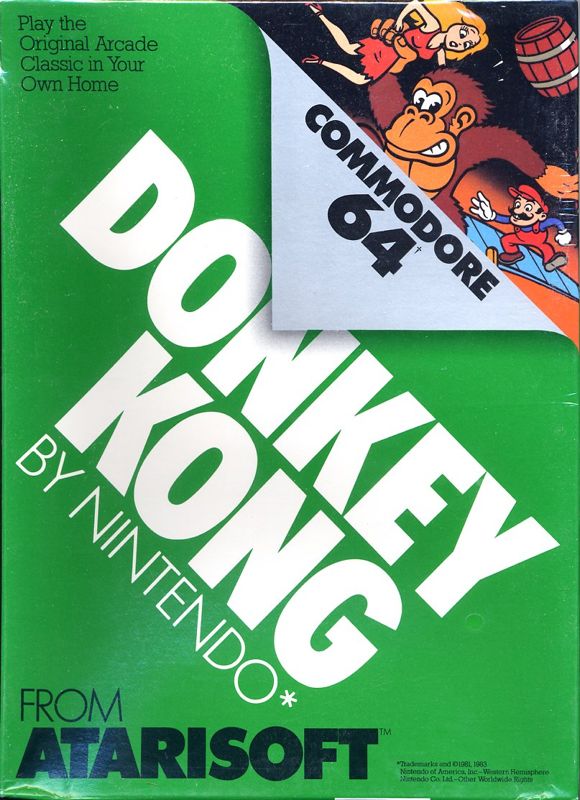
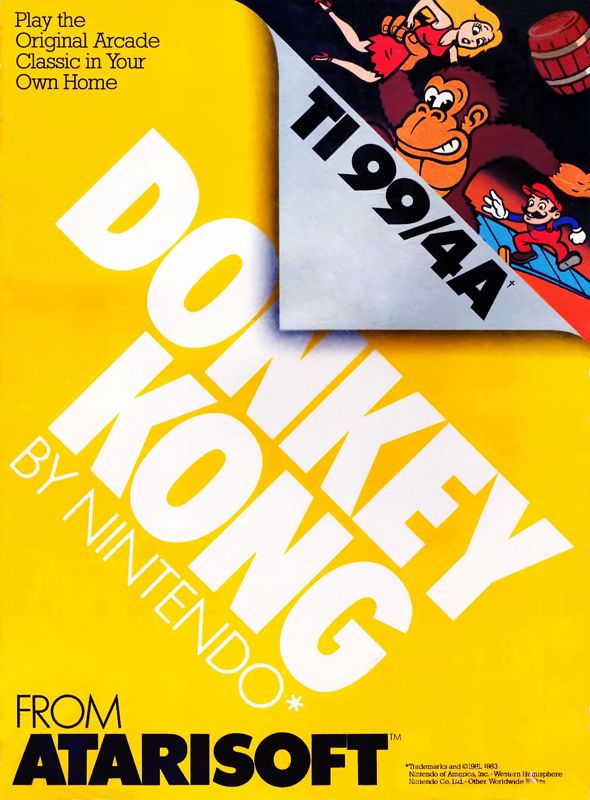
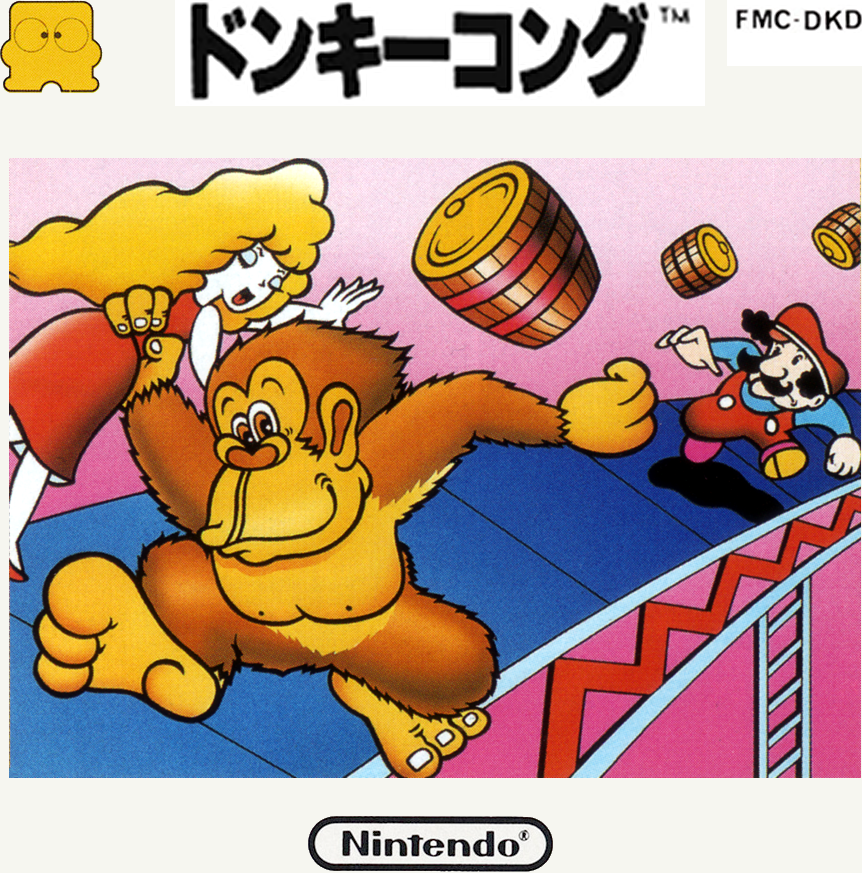
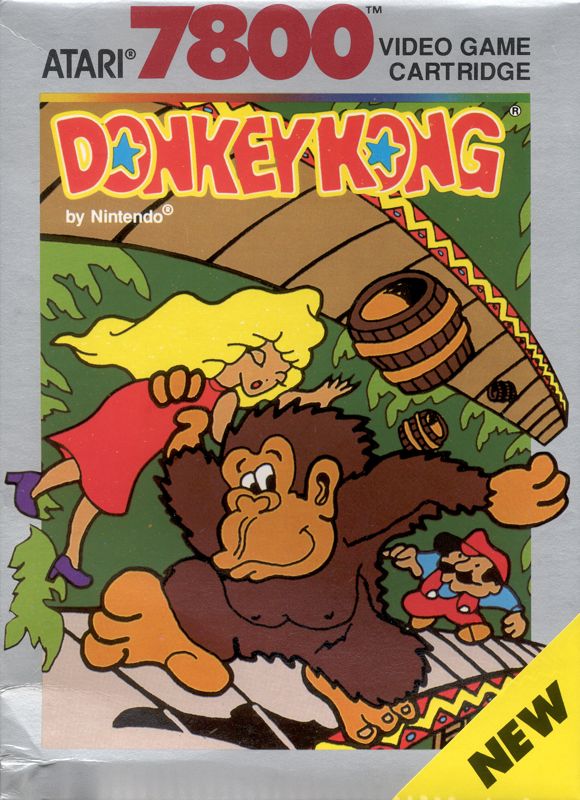
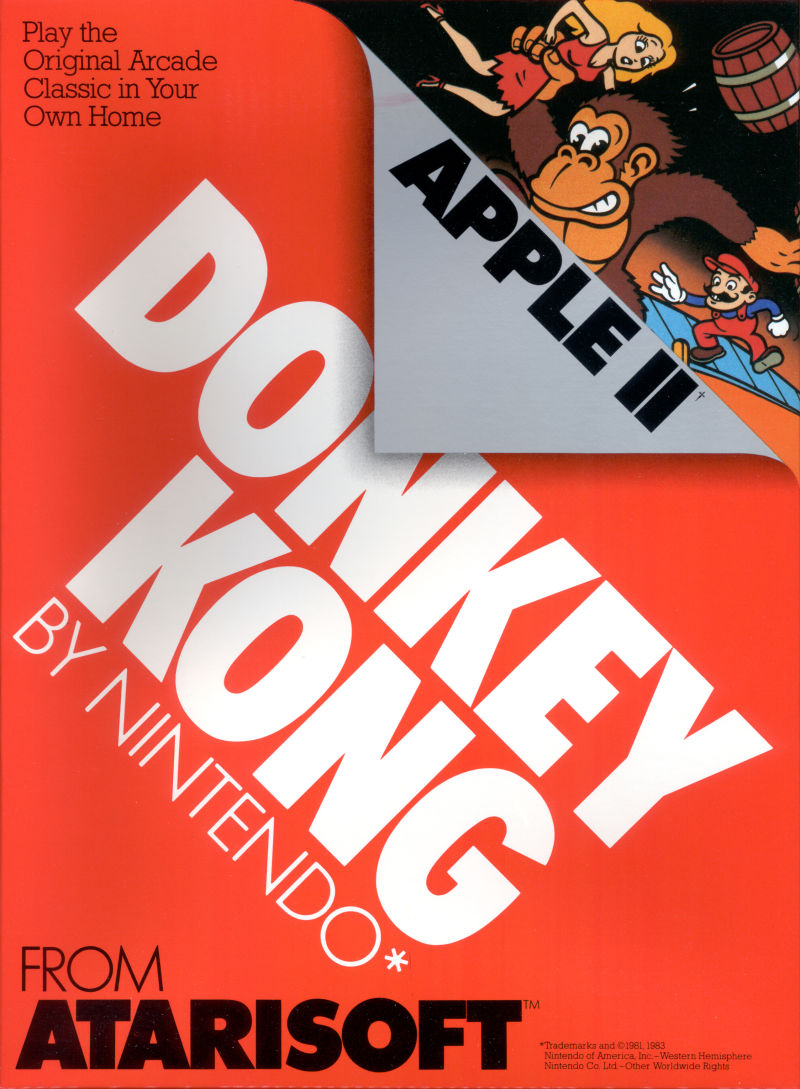
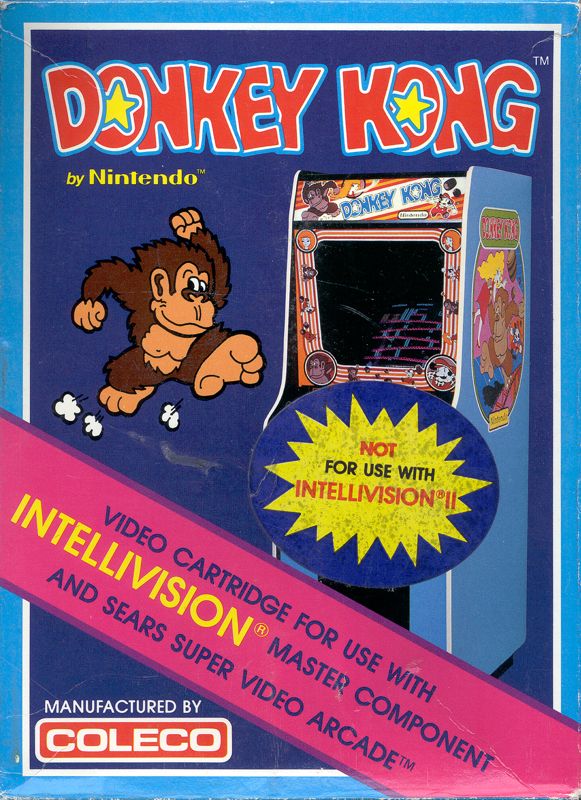
The Donkey Kong series began with the highly influential 1981 arcade game of the same name, introducing the character Jumpman (later Mario) and the giant ape Donkey Kong. The game was widely ported to home consoles and computers in 1982, including versions by Coleco and Atari. These early releases established the platforming genre, tasking players with scaling girders and dodging barrels to rescue Pauline.
Following the groundbreaking success of the original
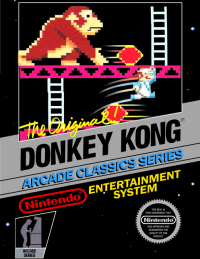
Donkey Kong (1981) arcade cabinet, Nintendo and various licensees rapidly expanded the franchise across global markets. This expansion included localized editions like the
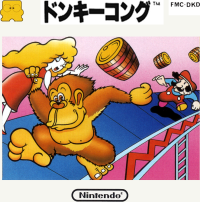
Donkey Kong [Canadian] (1982) release and dedicated home console ports such as
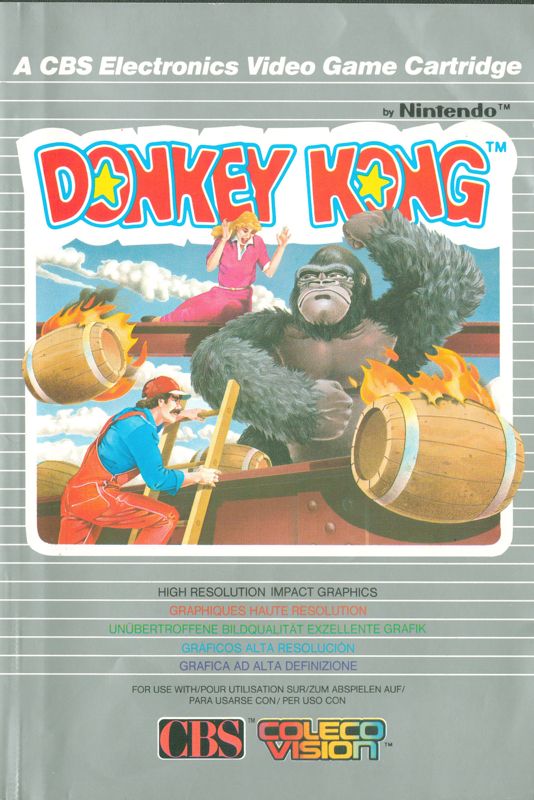
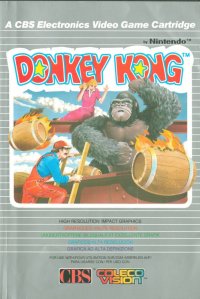
Donkey Kong [Coleco] (1982) for the ColecoVision, alongside various other 1982 ports for platforms like the Atari 2600 and Intellivision. These releases solidified the intellectual property's commercial viability, paving the way for direct sequels.
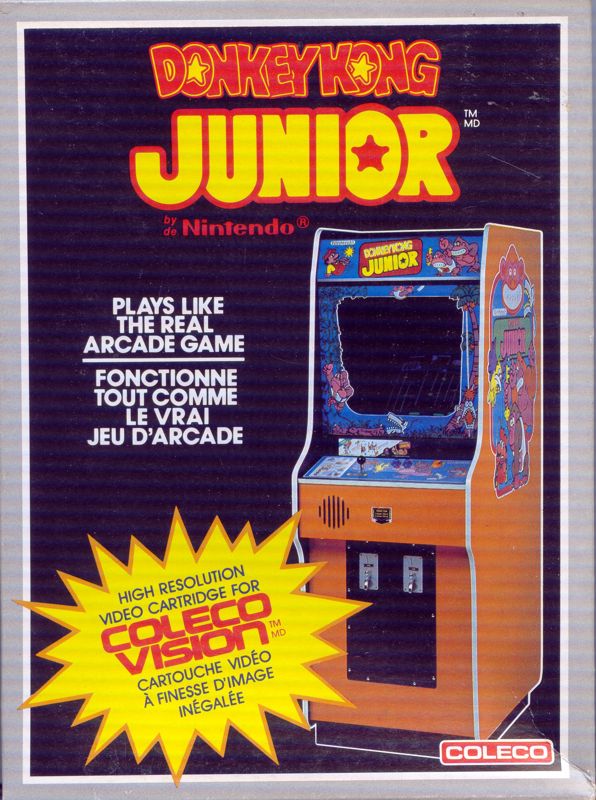
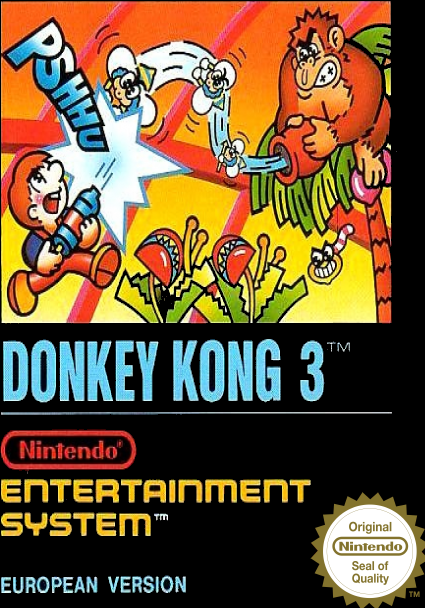
The franchise evolved with
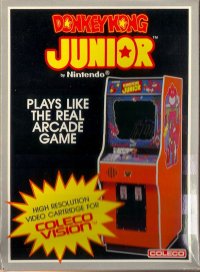
Donkey Kong Jr. (1982), which cast the titular ape's son as the protagonist, and
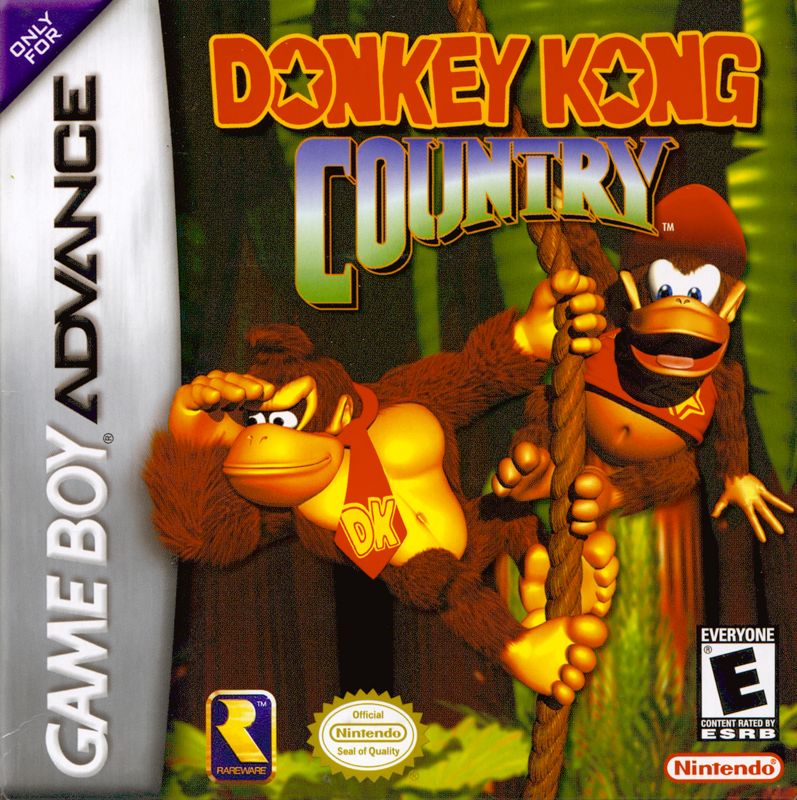
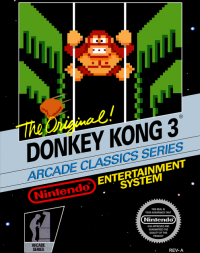
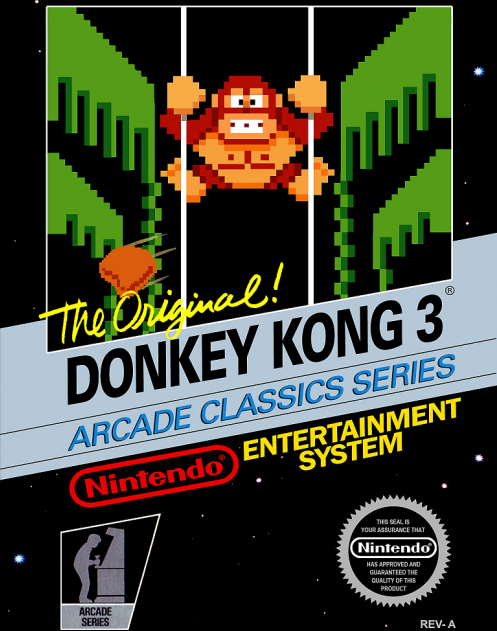
Donkey Kong 3 (1983), which introduced shooter elements. In 1994, developer Rare revolutionized the series with
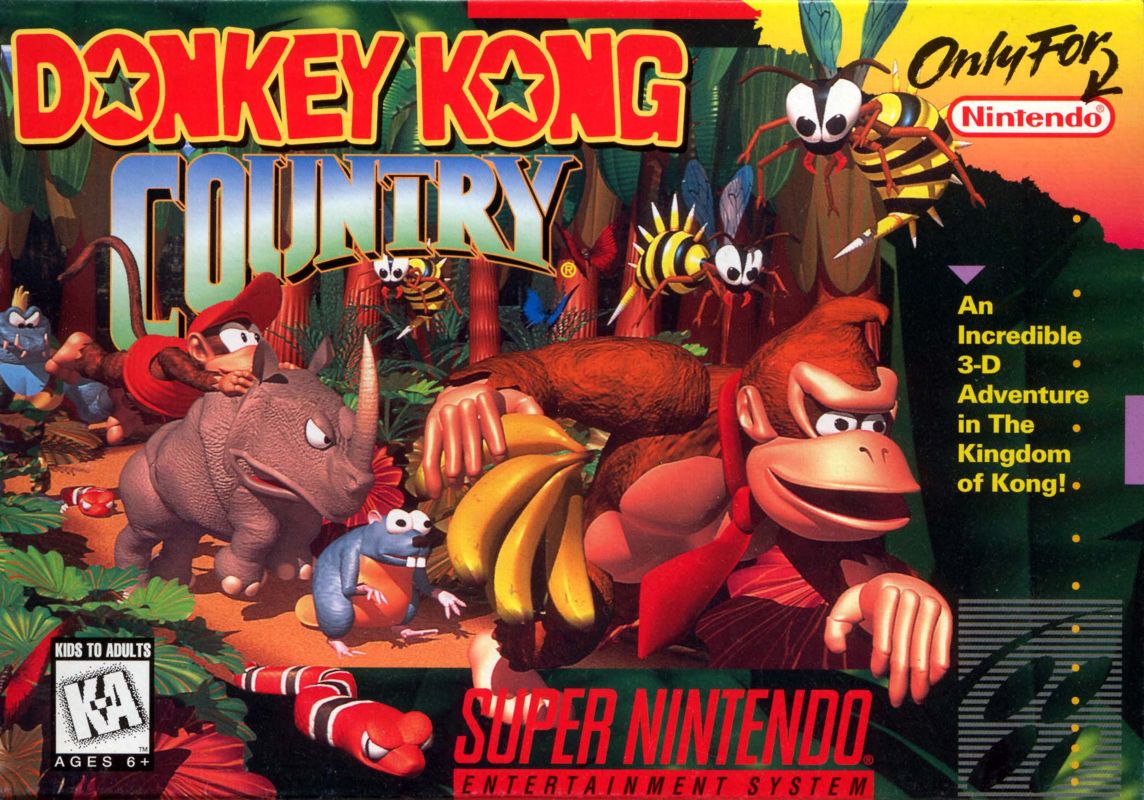
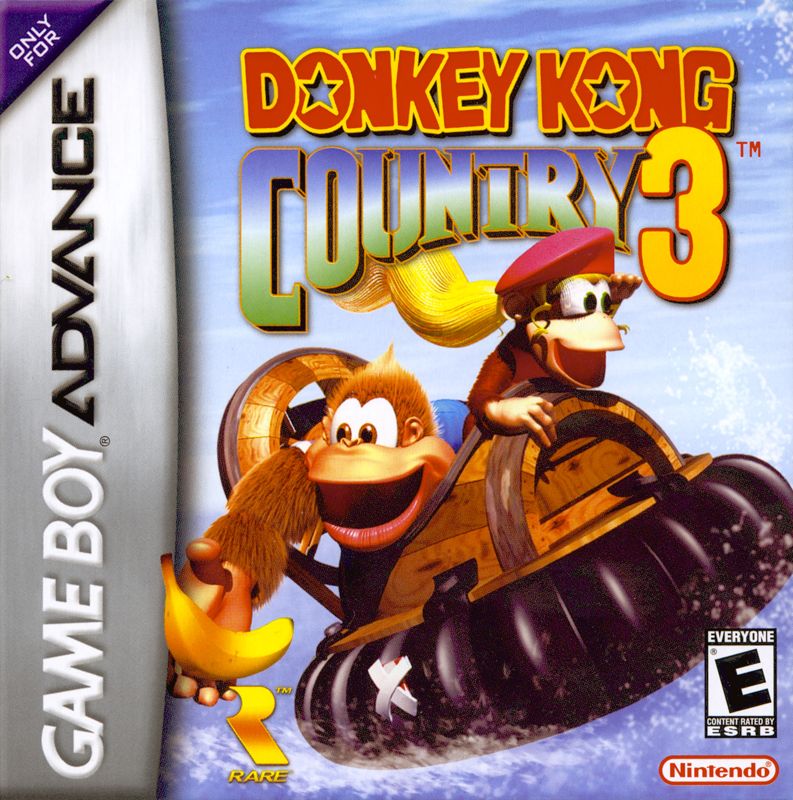
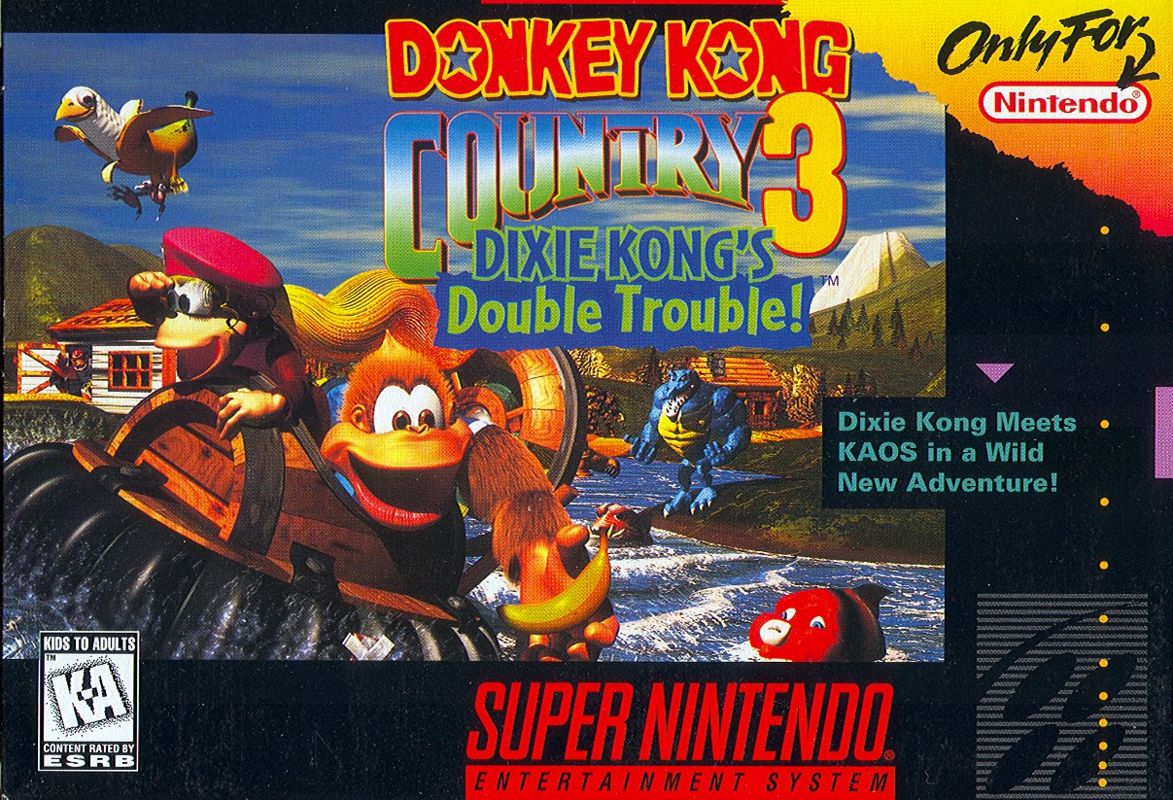
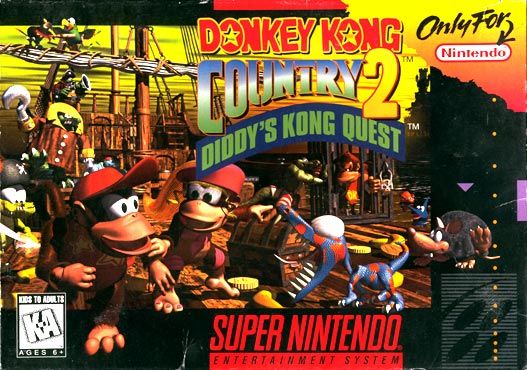
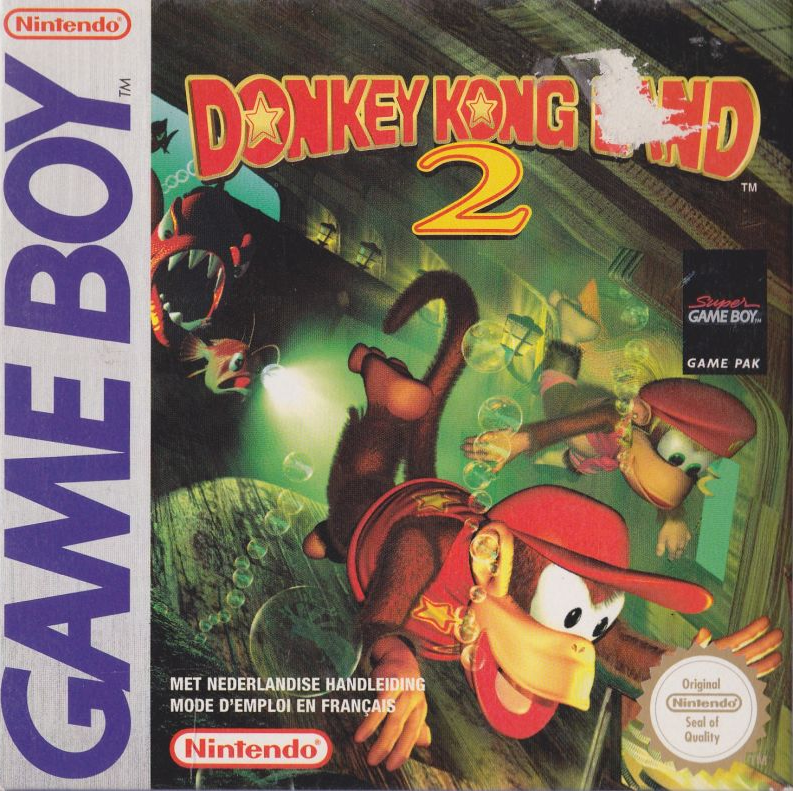
Donkey Kong Country for the Super Nintendo Entertainment System, utilizing pre-rendered 3D graphics and establishing a rich cast of characters, including Diddy Kong. This revival spawned a highly successful trilogy and transitioned the series into 3D platforming with
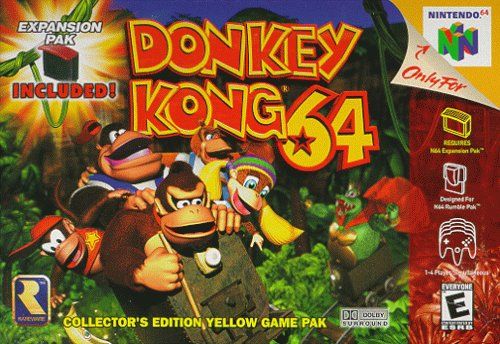
Donkey Kong 64 (1999). Subsequent decades saw the franchise diversify into rhythm games, puzzle-platformers like
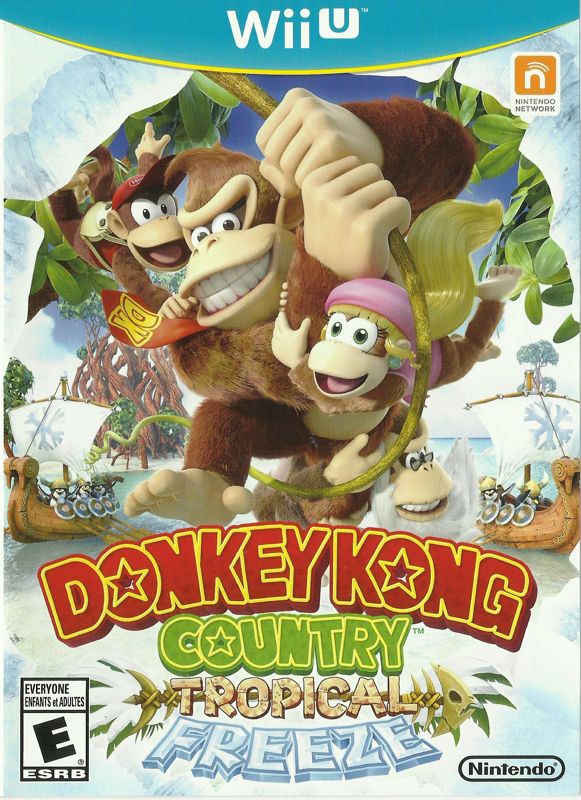
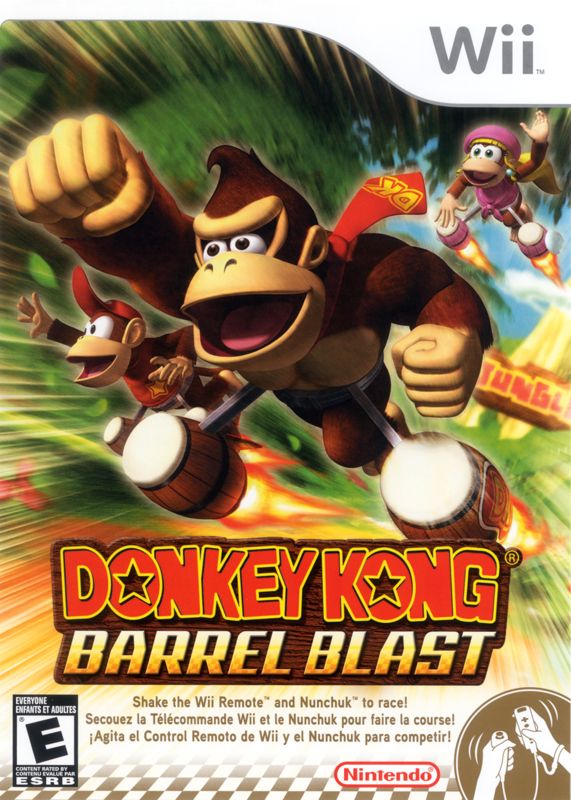
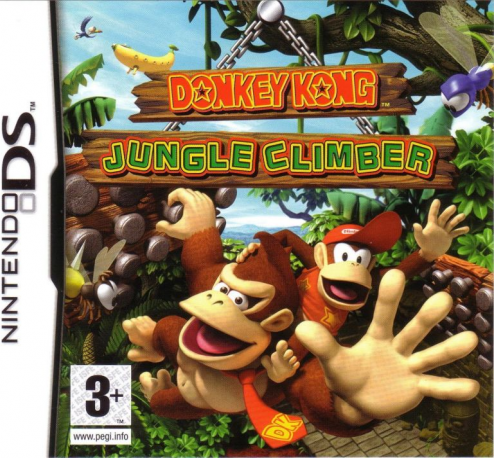
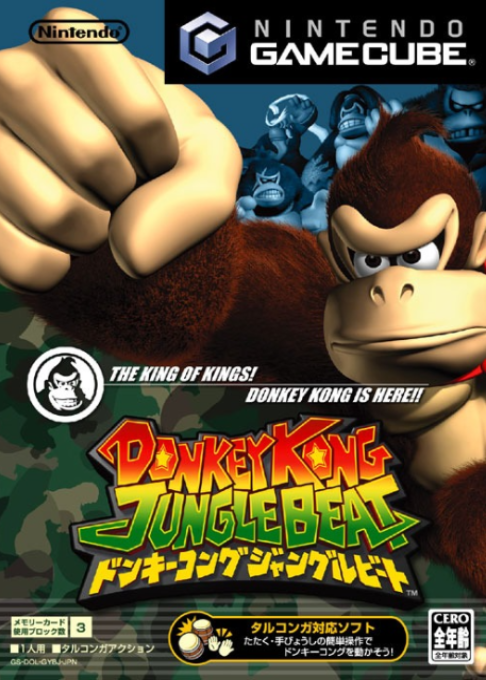
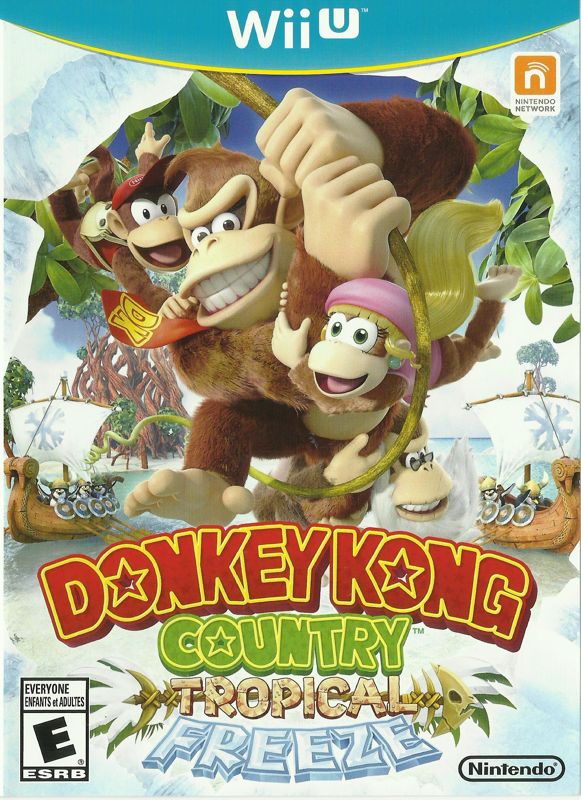
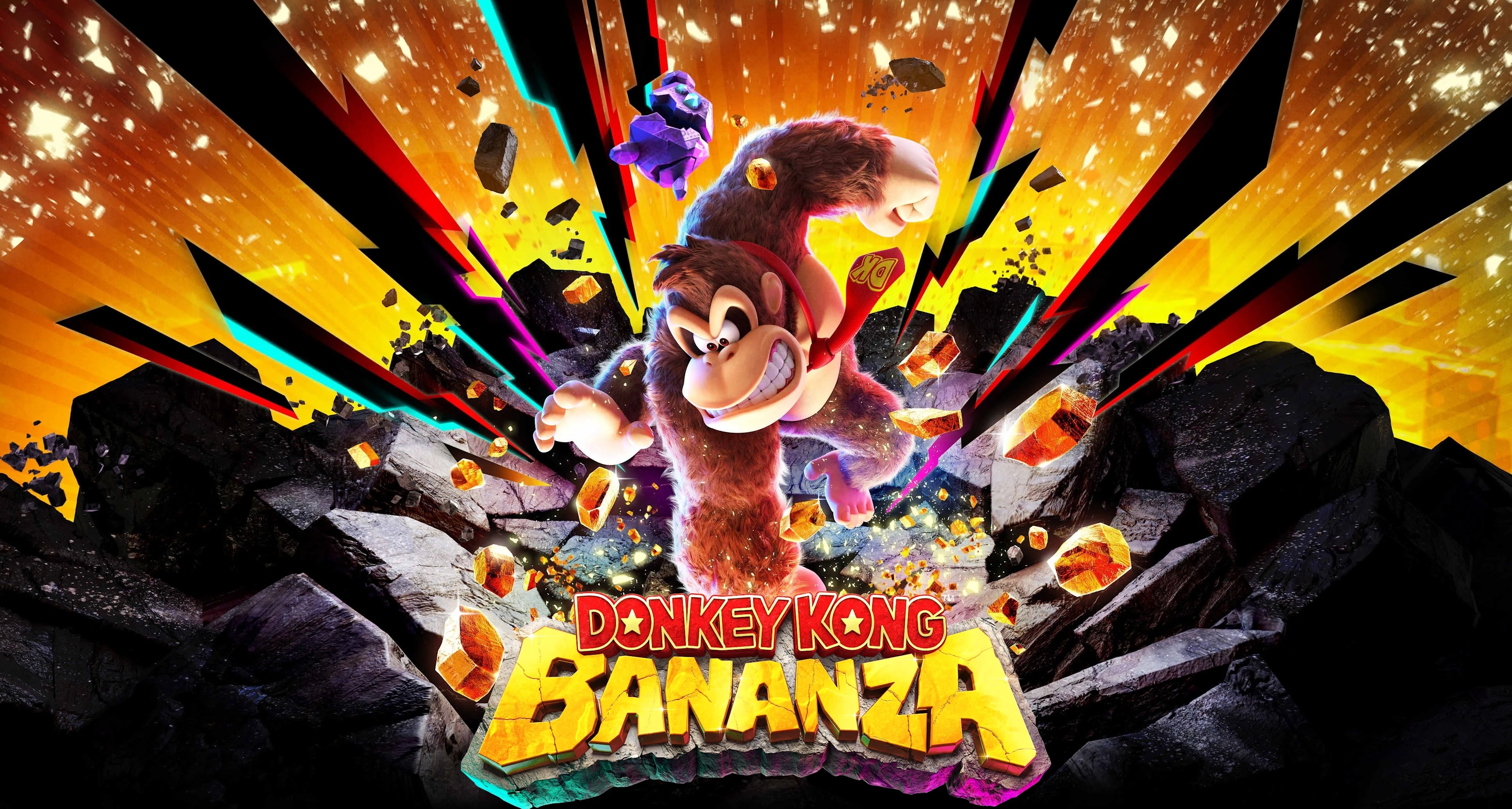
Mario vs. Donkey Kong, and modern side-scrolling revivals, securing its status as one of Nintendo's most enduring and versatile properties.



 (Unl).png)
_1.png)


_1.png)
.png)





_1.png)






.png)

.png)














.png)




.png)
.png)
.png)

.png)
_1.png)