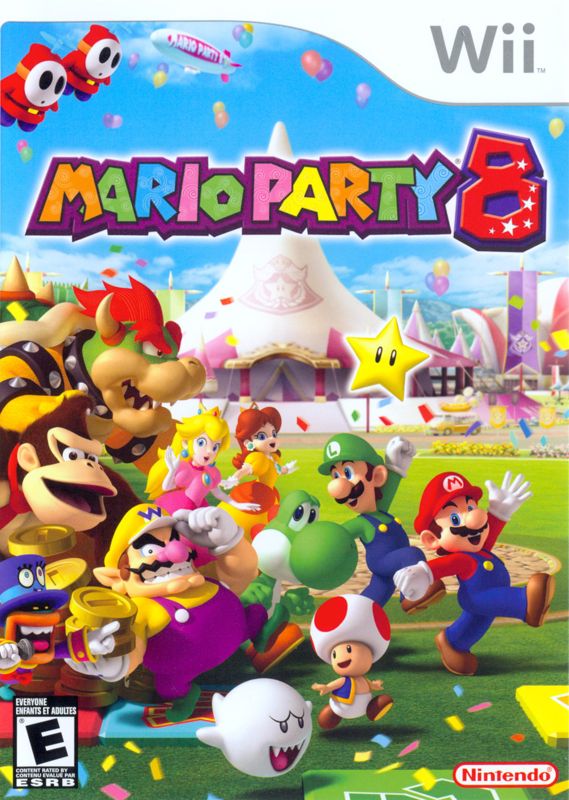
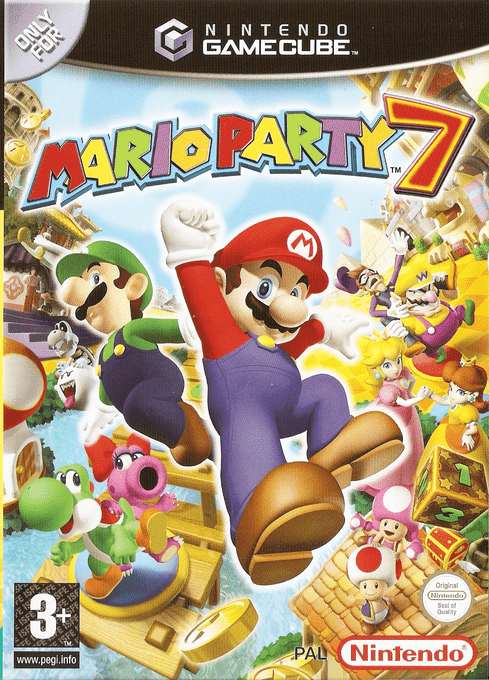
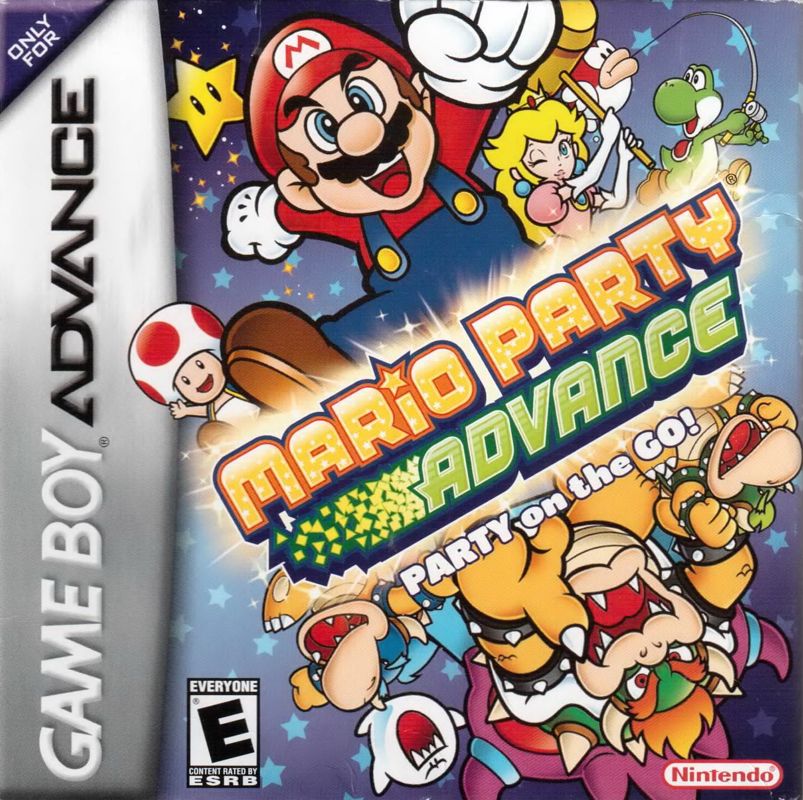
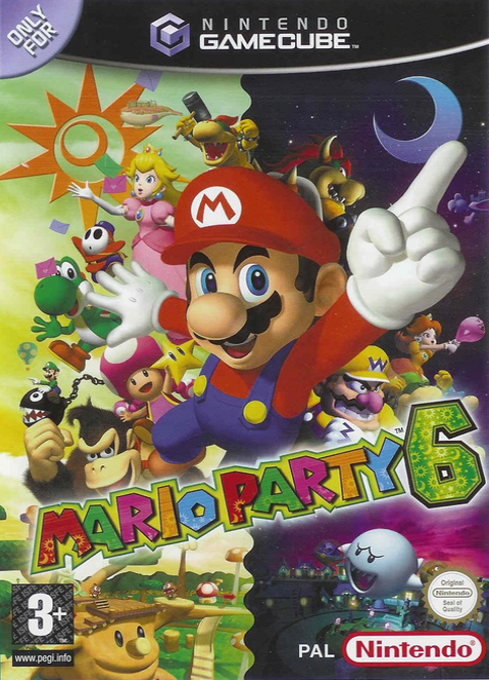
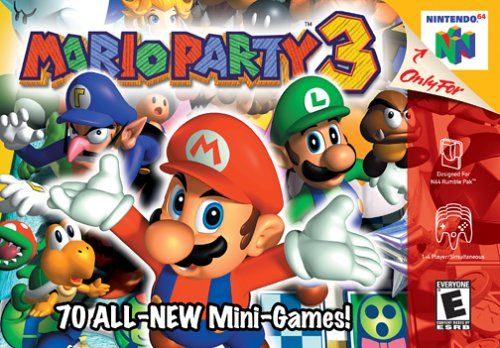
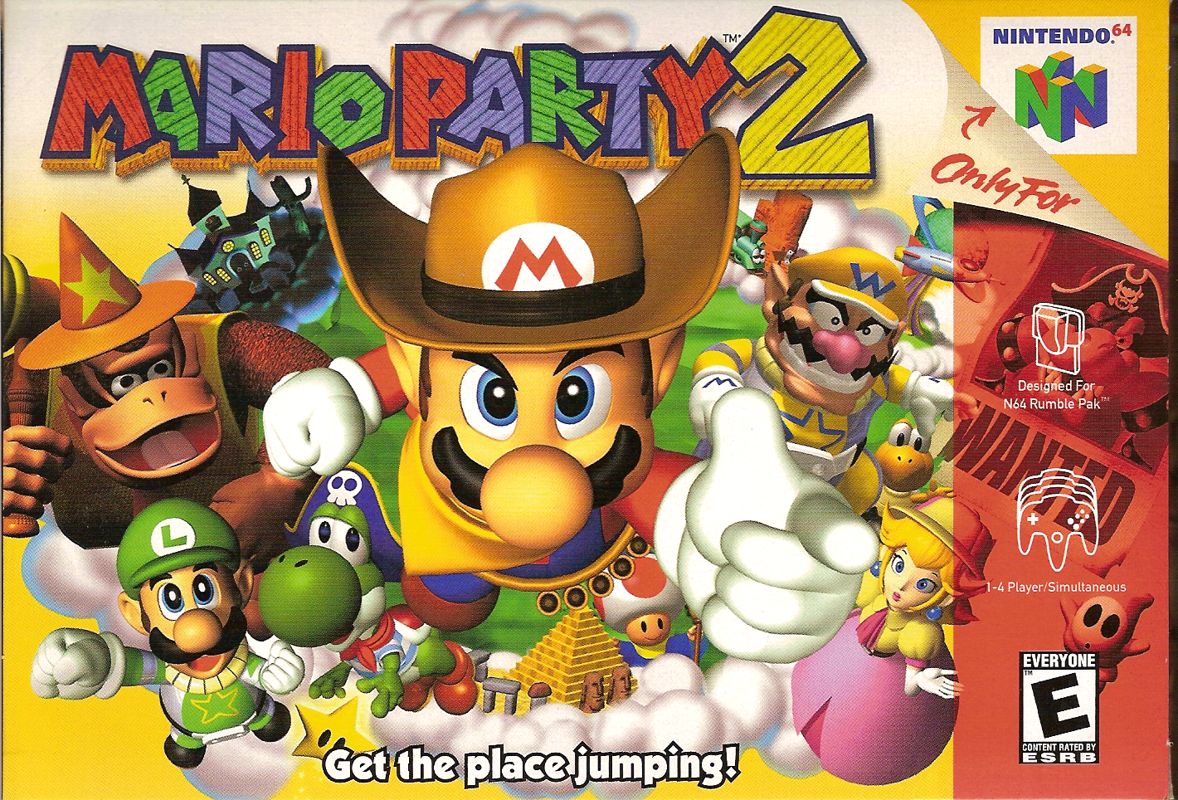
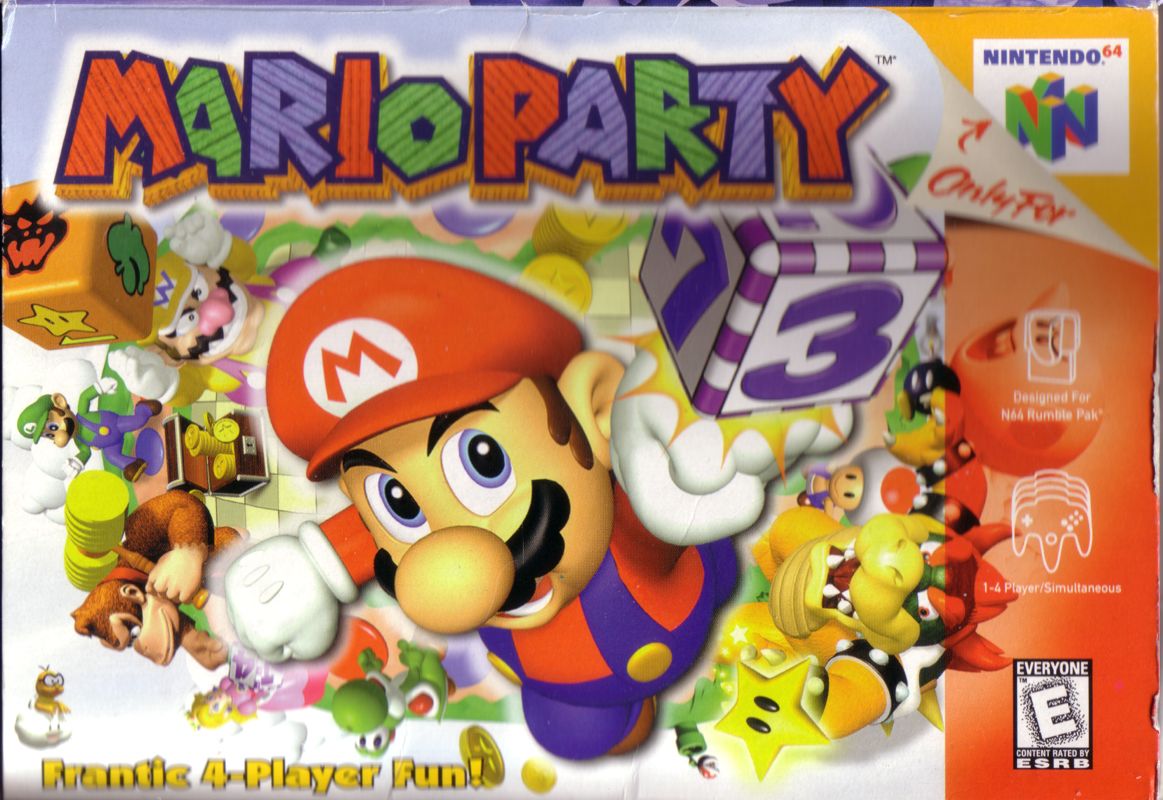
The Mario Party series began on the Nintendo 64 with the release of Mario Party (1998) and its sequels Mario Party 2 (1999) and Mario Party 3 (2000). These games, which also saw rare 'Not for Resale' demo cartridge releases, established the franchise's signature virtual board game format. Players compete as characters from the Mario franchise to collect the most Stars and Coins through various minigames.
Developed by Hudson Soft, the franchise originated from a partnership with Nintendo to create a multiplayer-focused experience utilizing prominent intellectual property. The initial release of
Mario Party (1998), which saw regional rollouts extending into
Mario Party (1999), introduced turn-based movement determined by dice rolls. Early promotional iterations and regional test versions, sometimes associated with dates as early as
Mario Party (1997) and
Mario Party 2 (1997), paved the way for the series' rapid commercial expansion.
To drive retail interest, Nintendo distributed specialized demo versions to stores, resulting in highly collectible cartridges such as
Mario Party Not for Resale] (1999) and [Mario Party 2 Not for Resale] (1999). The first sequel, [Mario Party 2 (1999), refined the formula by introducing themed character costumes and collectible items to influence board movement. This strategic item system was expanded further in the subsequent installment, which also received a limited promotional distribution via
Mario Party 3 [Not for Resale] (2000). These early titles established a lucrative multiplayer framework that spawned numerous sequels, handheld spin-offs, and compilation releases across subsequent console generations.