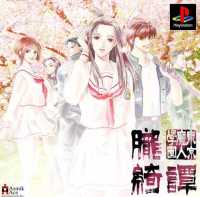
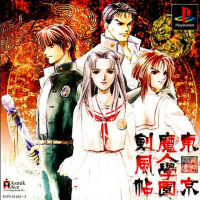
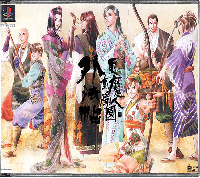
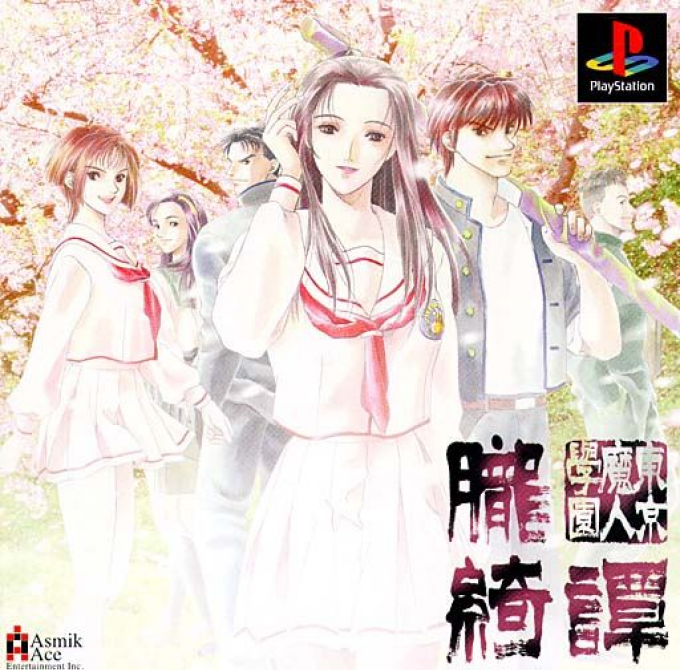
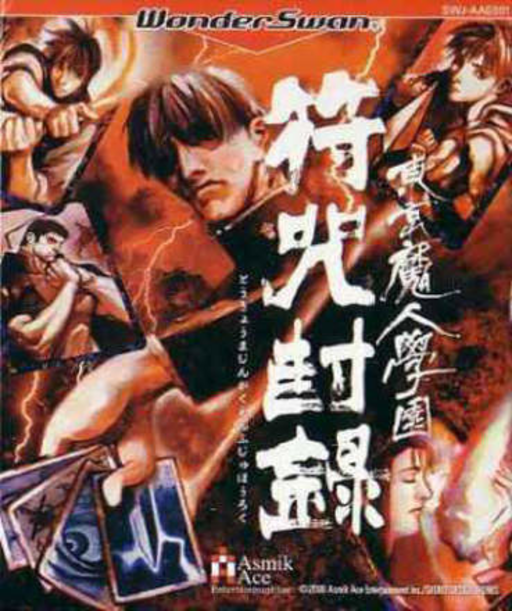
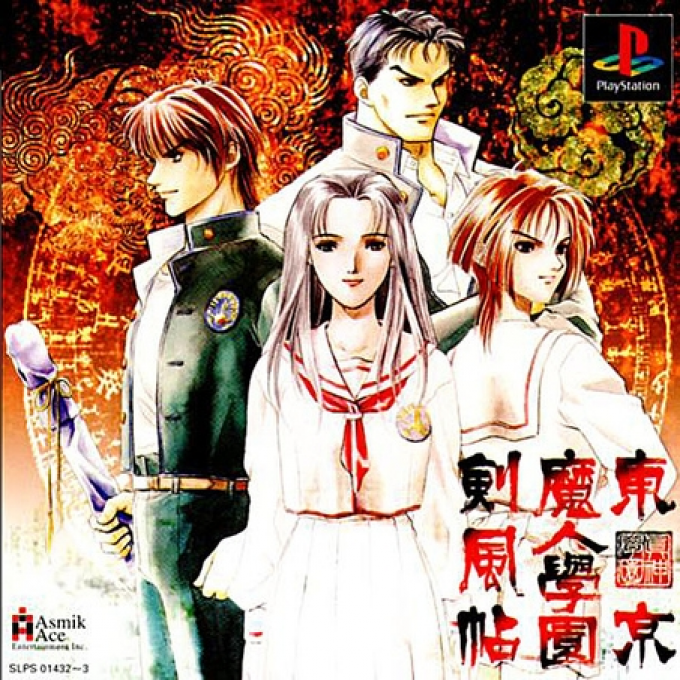
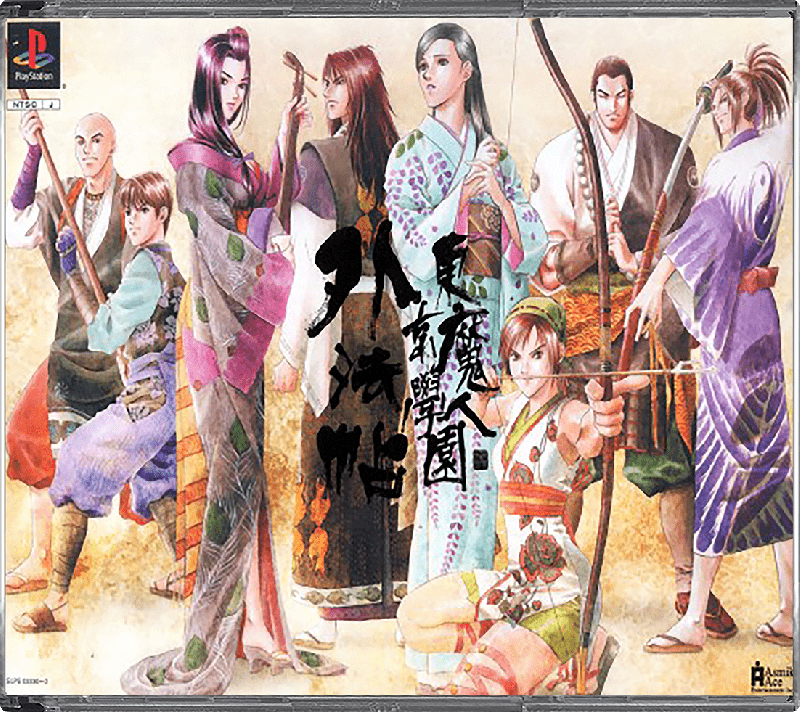
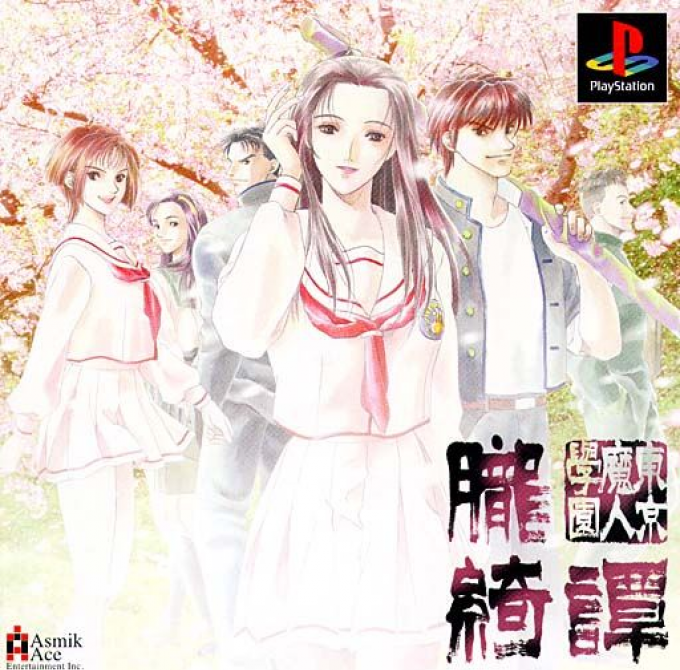
The Tokyo Majin Gakuen series began with Tokyo Majin Gakuen: Kenpuu Chou in 1998, blending visual novel storytelling with tactical grid-based combat. It expanded with sequels and spin-offs including Tokyo Majin Gakuen: Oboro-Kitan in 1999, the card-battle game Tokyo Majin Gakuen: Fuju Houroku in 2000, and Tokyo Majin Gakuen: Kaihoujyou Kefurokou in 2004. The franchise is known for its occult themes, high school setting, and unique emotional input system.
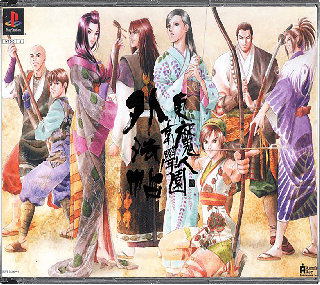
Created by director Shuuhou Imai, the franchise established a distinct niche in Japanese adventure-RPGs. The narrative continuity began on the PlayStation with
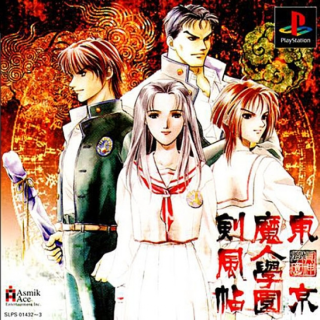
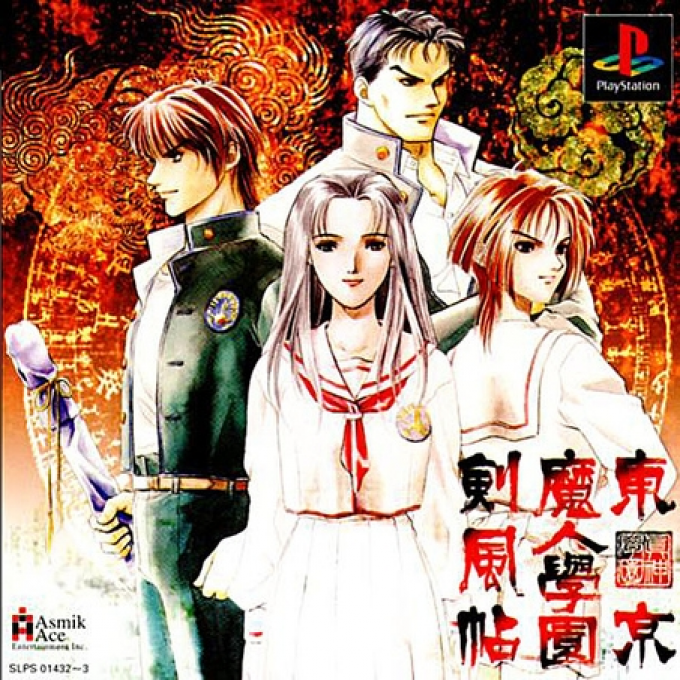
Tokyo Majin Gakuen: Kenpuu Chou (1998), which received a fan-disc companion,
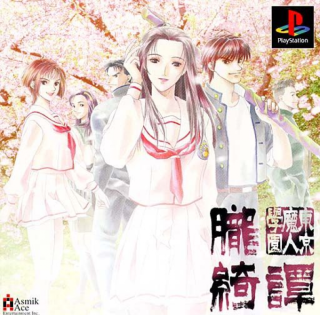
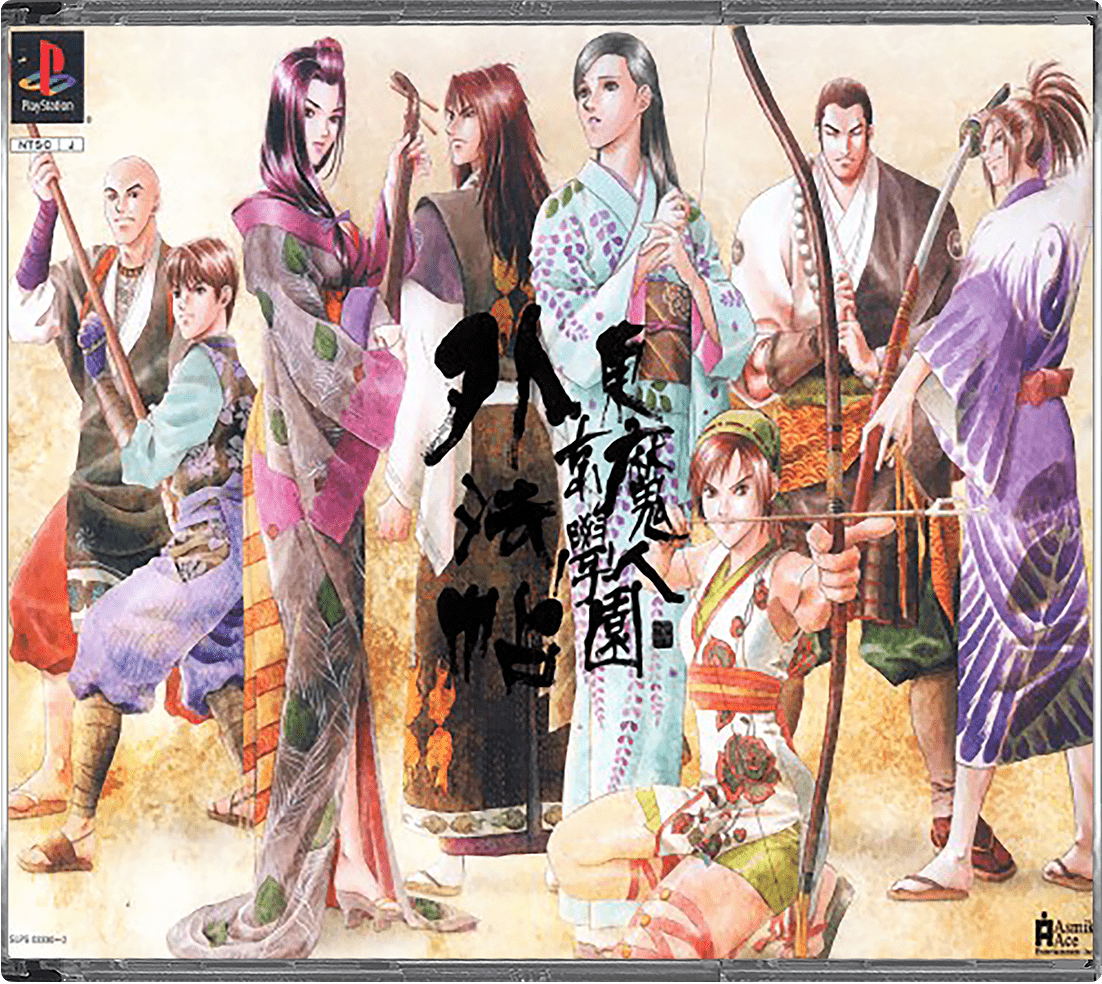
Tokyo Majin Gakuen: Oboro-Kitan (1999), offering side stories and expanded battles. The series transitioned to card-based strategy with
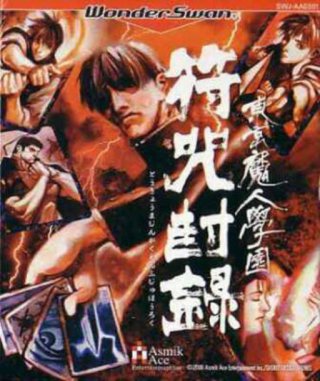
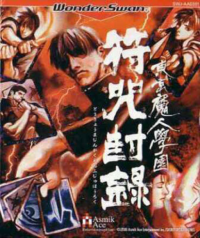
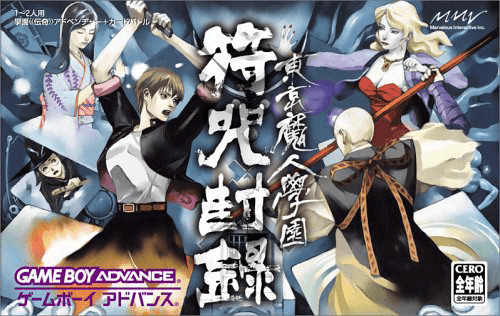
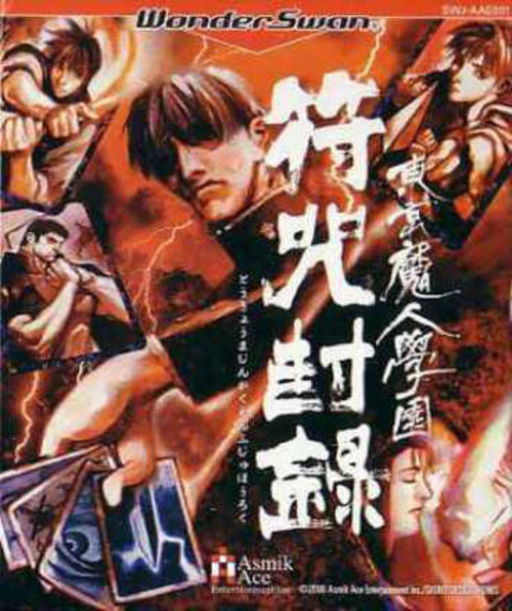
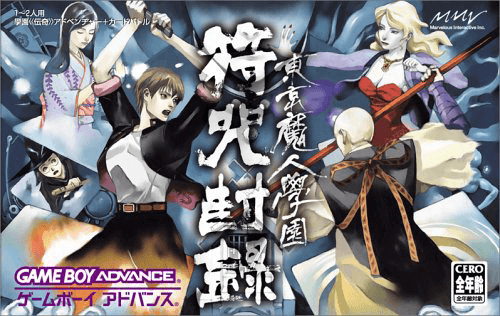
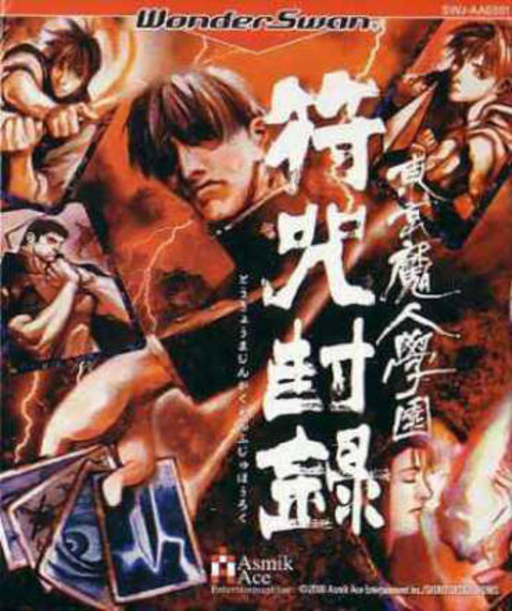
Tokyo Majin Gakuen: Fuju Houroku (2000) on the WonderSwan, which later saw a Game Boy Advance port released as
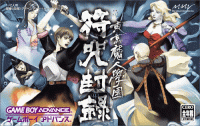
Tokyo Majin Gakuen: Fuju Horoku (2004).
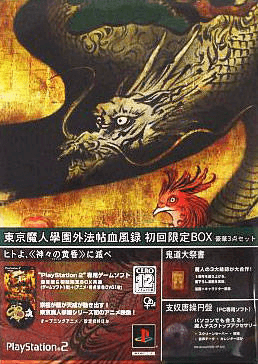
The franchise expanded its reach to the PlayStation 2 with
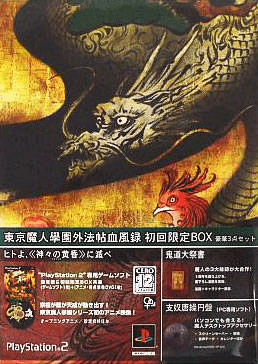
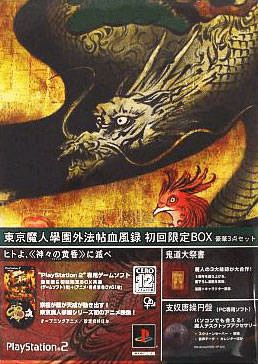
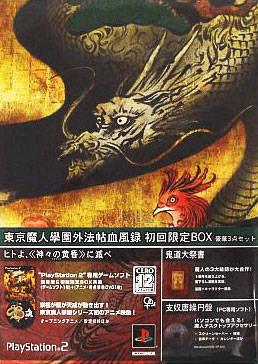
Tokyo Majin Gakuen: Kaihoujyou Kefurokou (2004). This release was accompanied by a highly collectible
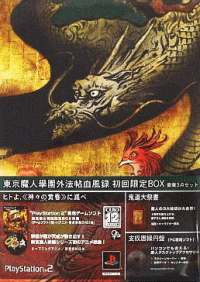
Tokyo Majin Gakuen: Kaihoujyou Kefurokou [Limited Edition] (2004), which bundled exclusive physical memorabilia and media for dedicated fans. Character designer Hiroshi Kobayashi provided the signature aesthetic that defined these releases. The success of these titles cemented the franchise's cult status, eventually leading to anime adaptations and crossover projects within Imai's broader "Juvenile Game" series, which shares thematic elements with other regional mythology-focused RPGs of the era.