Sonic the Hedgehog debuted as a playable character in the 1991 platform game Sonic the Hedgehog for the Sega Genesis. Known for his high-speed running, he travels through various zones to rescue captured animals and stop the antagonist Doctor Eggman. The character's success established him as Sega's mascot, leading to appearances in spin-offs and sequels like Sonic Riders and Sonic Unleashed.
Designed by Naoto Ohshima and Yuji Naka, the character emerged from an internal Sega contest to create a flagship figure capable of competing with rival platforms. His distinct blue coloration was selected to match Sega’s corporate logo, while his design drew inspiration from Felix the Cat and Mickey Mouse.
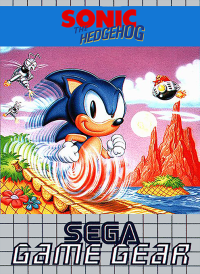
The character's foundational gameplay mechanics were established across several key early releases, including promotional builds of
Sonic the Hedgehog (1990), the original
Sonic the Hedgehog (1991), the regional release
Sonic the Hedgehog [Canadian] (1991), and the budget re-release
Sonic the Hedgehog [Sega Classic] (1991). These titles solidified the physics-based momentum and loop-de-loop level designs that defined the broader
Sonic the Hedgehog franchise.
As the franchise expanded, developers experimented with diverse gameplay styles. In the
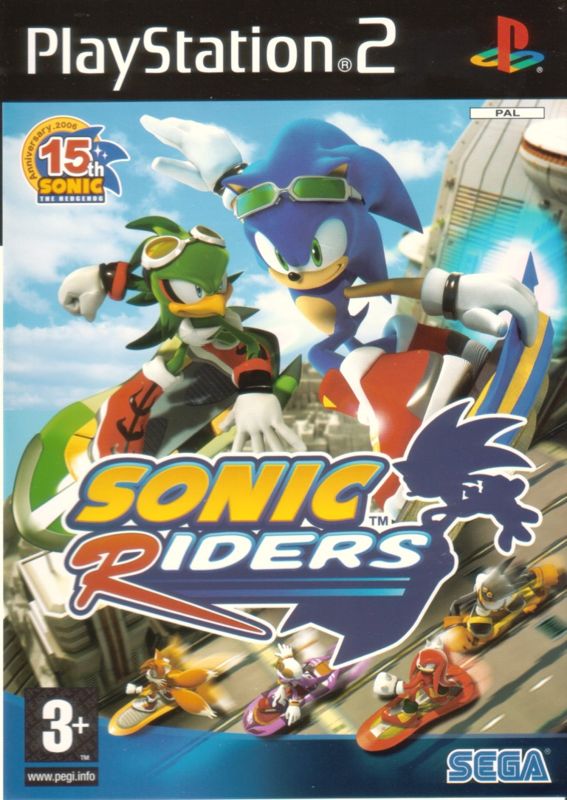
Sonic Riders series, the character transitioned to hoverboard-based racing, utilizing "Extreme Gear" to navigate wind currents. Conversely,
Sonic Unleashed introduced a split-gameplay dynamic, contrasting traditional daytime speed levels with nighttime platforming where the character transforms into a "Werehog." Through these mechanical shifts, the character remained a central figure in Sega's software lineup, transitioning from 2D sprite-based origins to complex 3D environments.



.png)






.png)
_1.png)



 (En,Ja,Fr,De,Es,It).png)













.png)




.jpg)

.png)
_1.png)