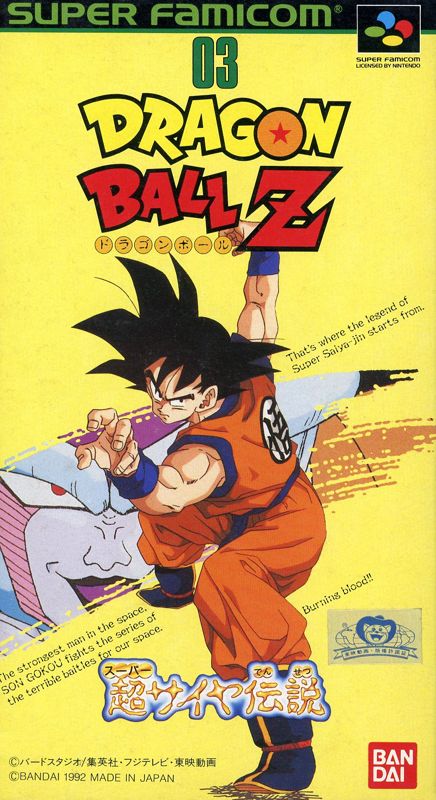
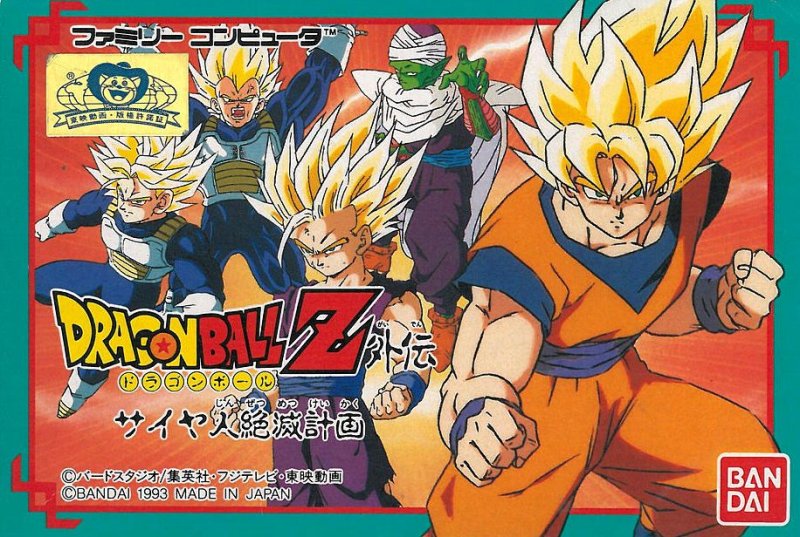
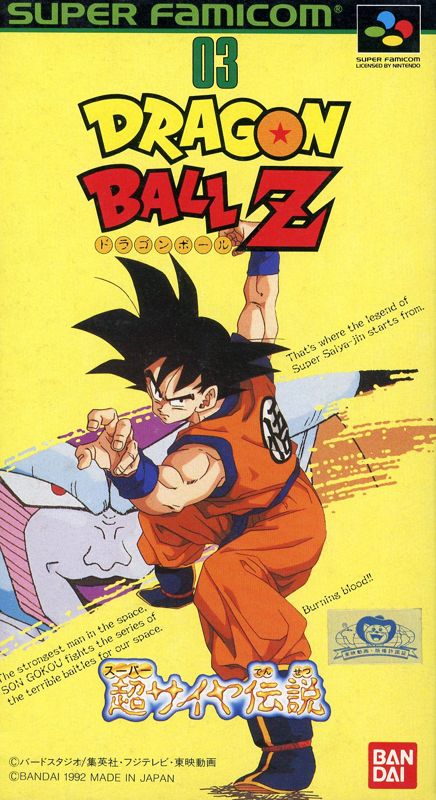
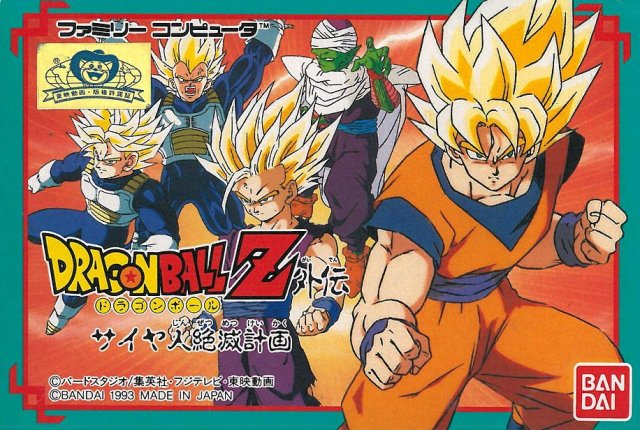
d&d Corp. was a Japanese game development studio that worked closely with publisher Bandai. The company developed several role-playing games in the Dragon Ball Z franchise, including Dragon Ball Z II (1991), Dragon Ball Z III (1992), Dragon Ball Z: Super Saiya Densetsu (1992), and Dragon Ball Z Gaiden (1993). They also developed other licensed titles such as Kamen Rider SD (1993) and Gon (1994).
Operating during the golden era of 8-bit and 16-bit anime adaptations, the developer specialized in translating complex manga narratives into interactive role-playing experiences. For the
Dragon Ball Z titles, this was achieved primarily through a signature card-based combat system. Players selected cards with varying star values representing attack and defense power, a mechanic that defined
Dragon Ball Z II and
Dragon Ball Z III on the Famicom.
The transition to the Super Famicom allowed the studio to enhance these mechanics.
Dragon Ball Z: Super Saiya Densetsu combined the card battle system with active, semi-animated battle screens, setting a visual standard for future adaptations. With
Dragon Ball Z Gaiden, the studio introduced an original storyline involving the villain Hatchiyack, which was prominent enough to warrant its own animated feature.
Beyond the Akira Toriyama universe, the studio applied its adaptation expertise to other popular manga properties.
Kamen Rider SD offered a tactical board-game style RPG experience, while
Gon shifted focus toward side-scrolling action-platforming, showcasing the developer's versatility in handling diverse gameplay genres before the studio eventually faded from the active development scene.