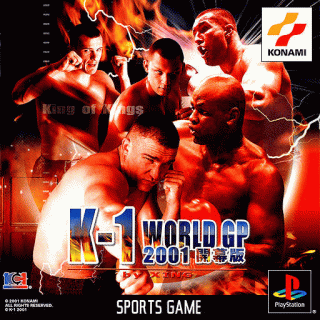
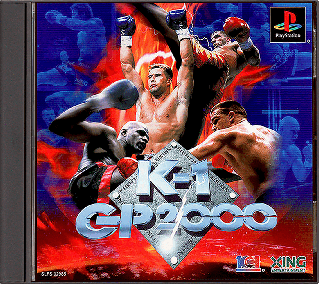
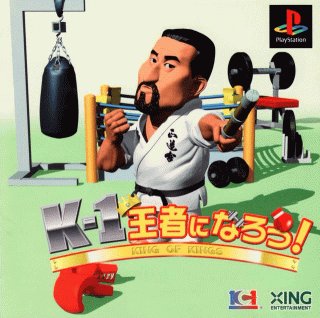
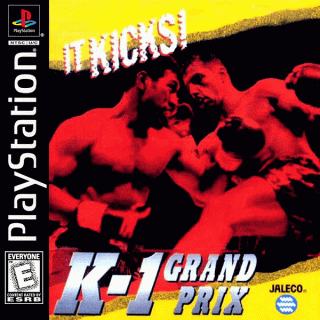
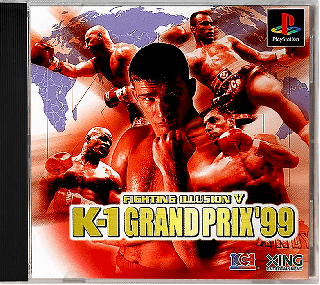
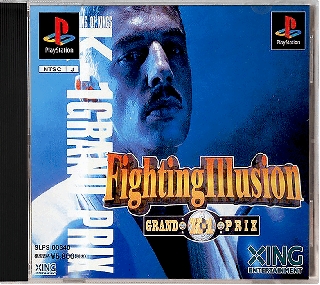
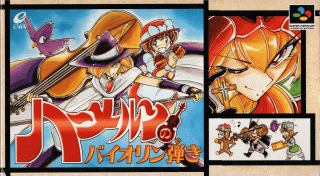
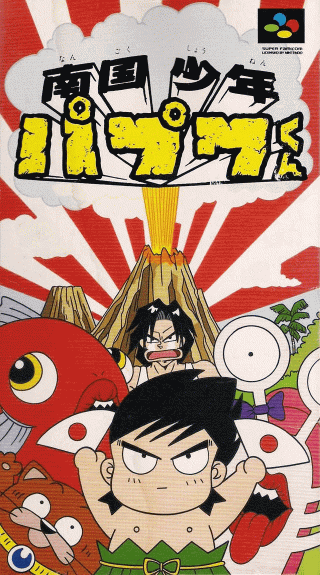
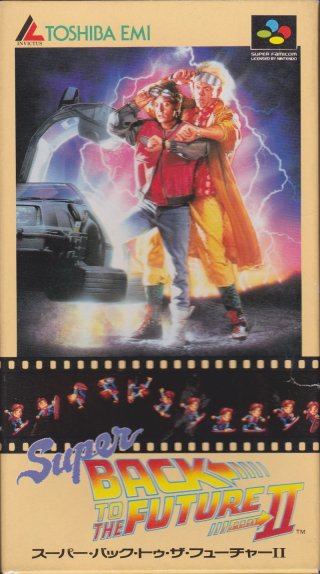
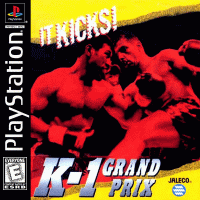
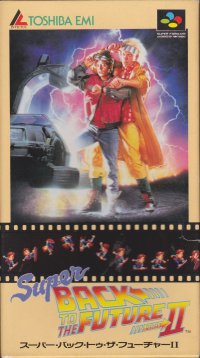
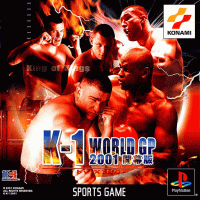
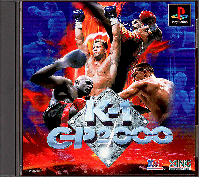
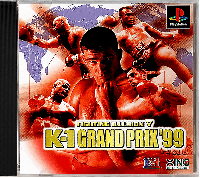
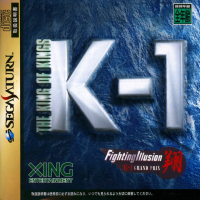
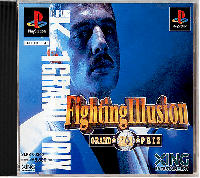
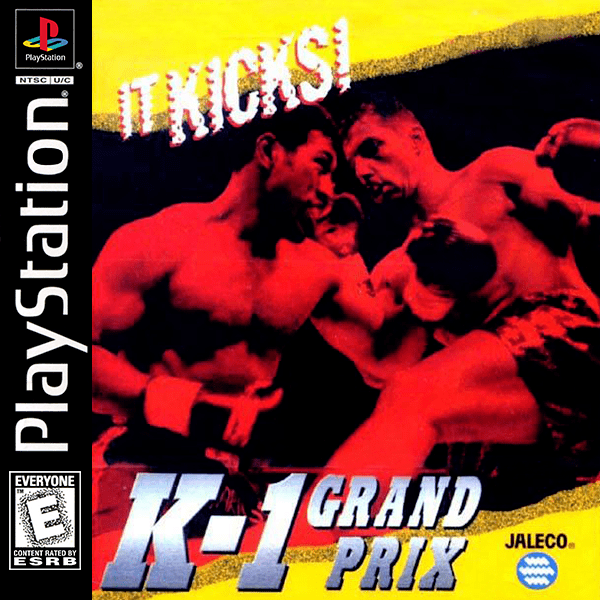
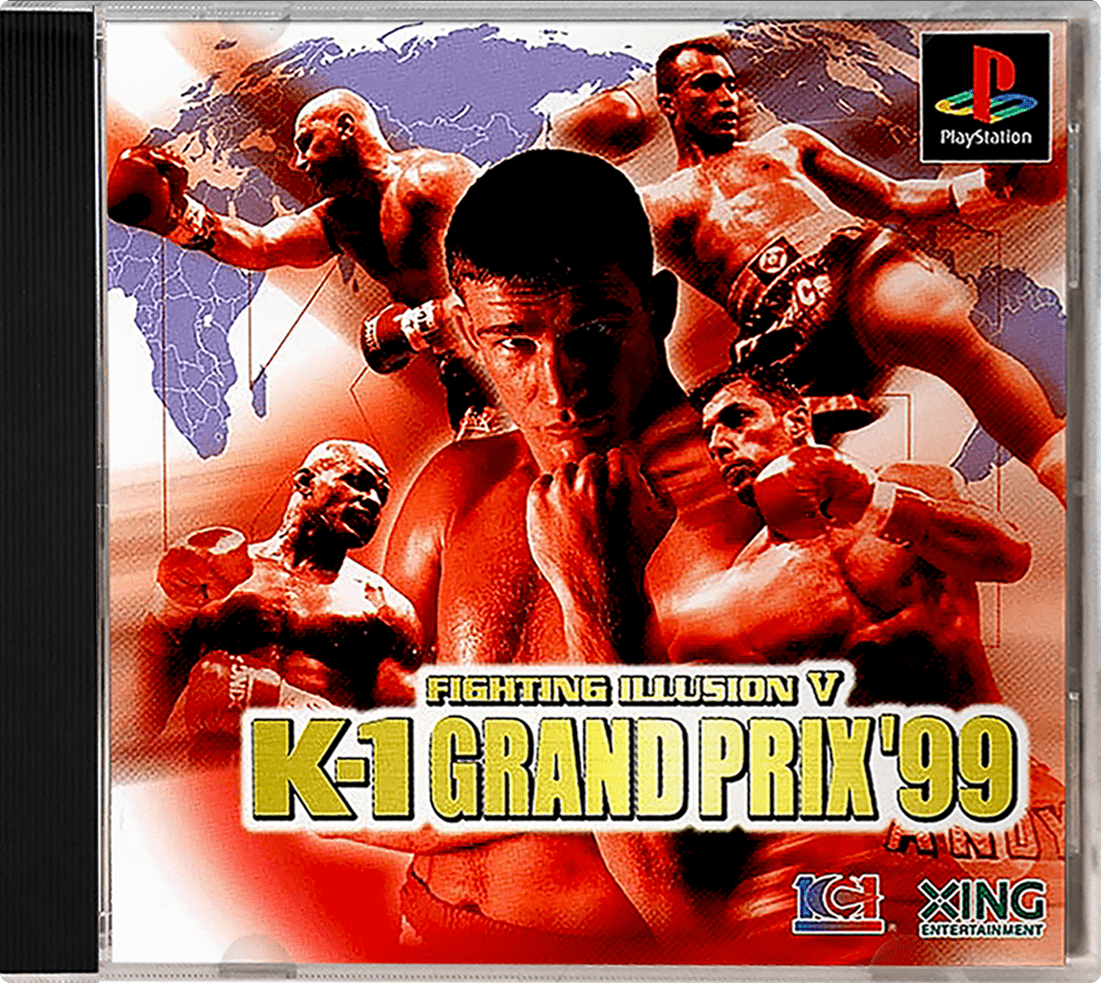
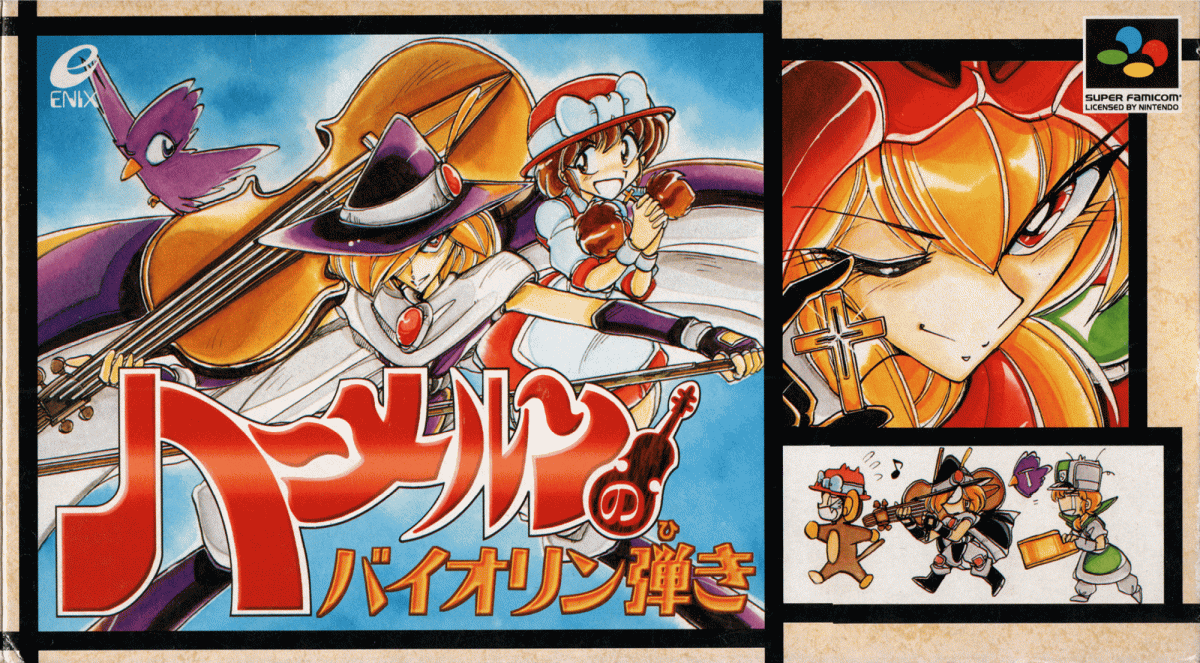
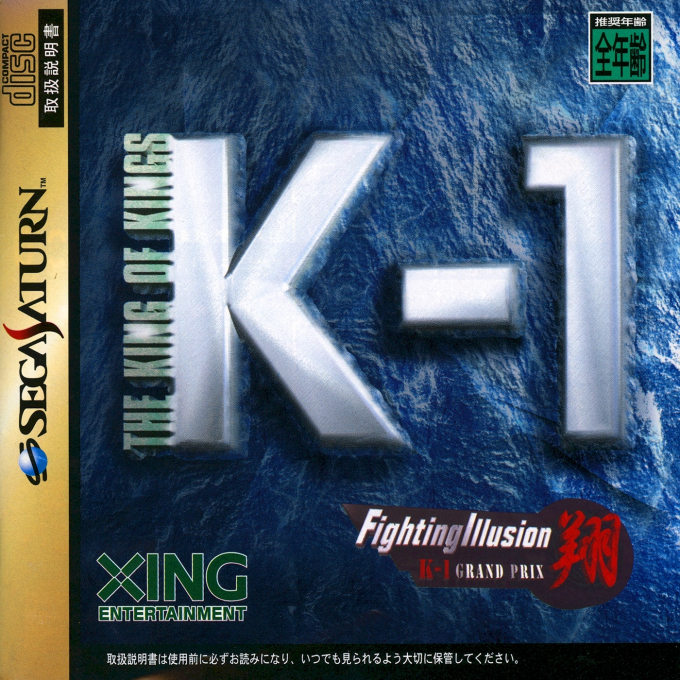
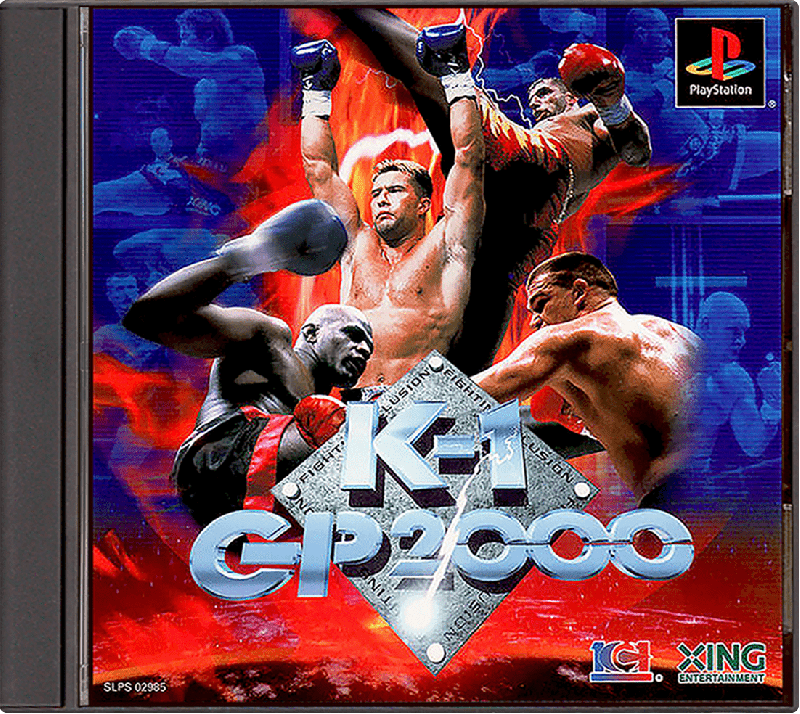
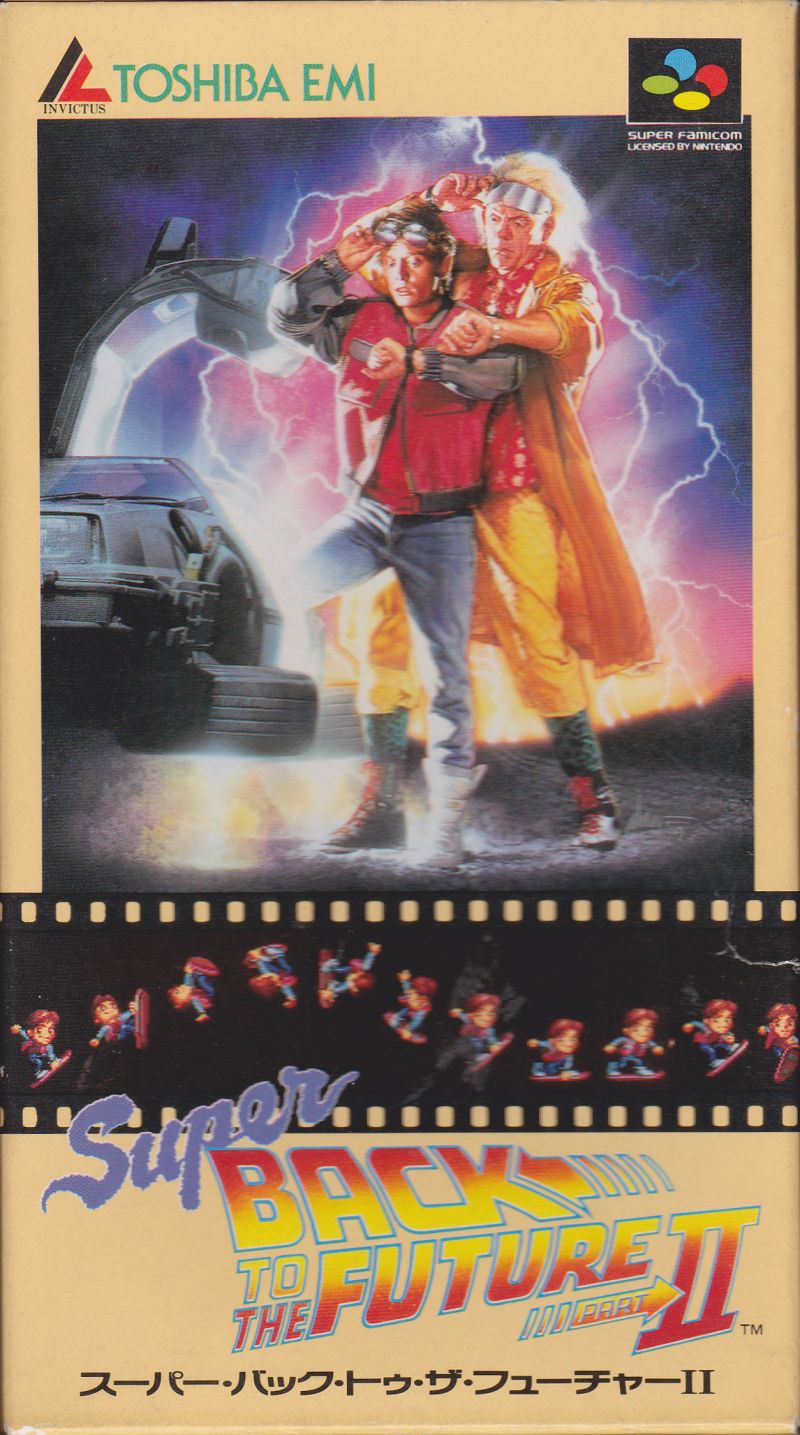
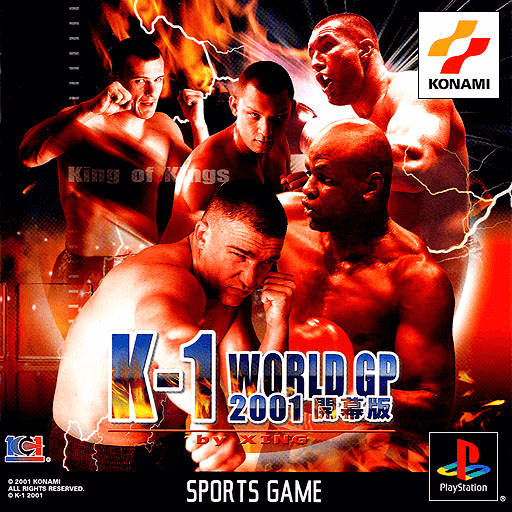
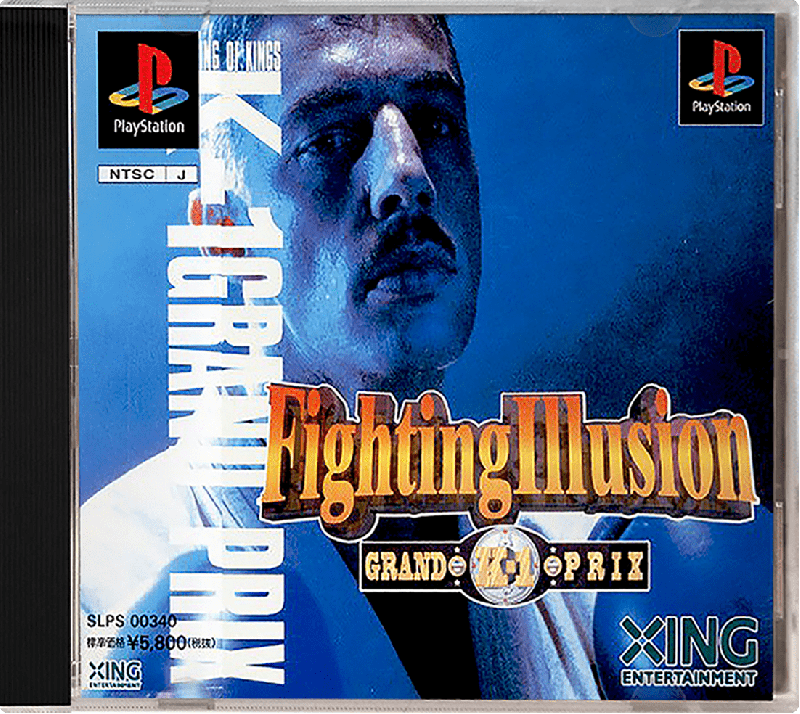
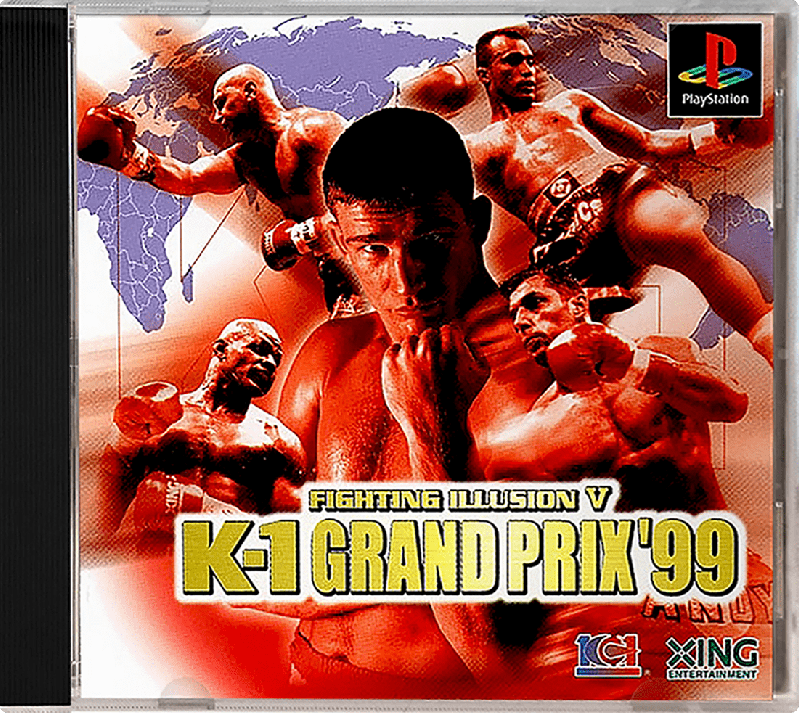
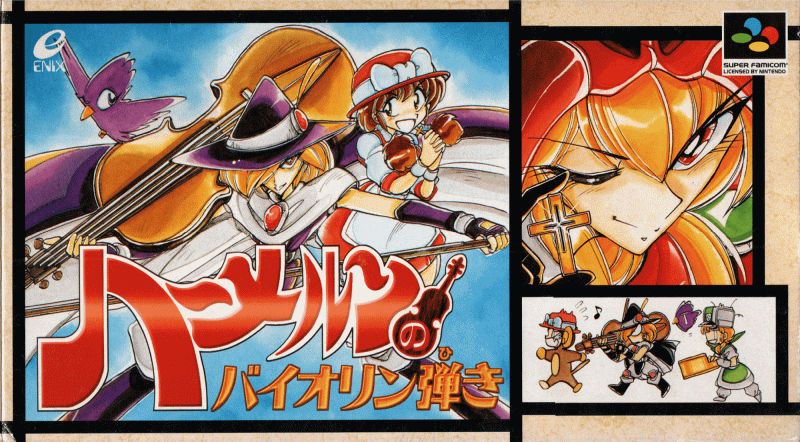
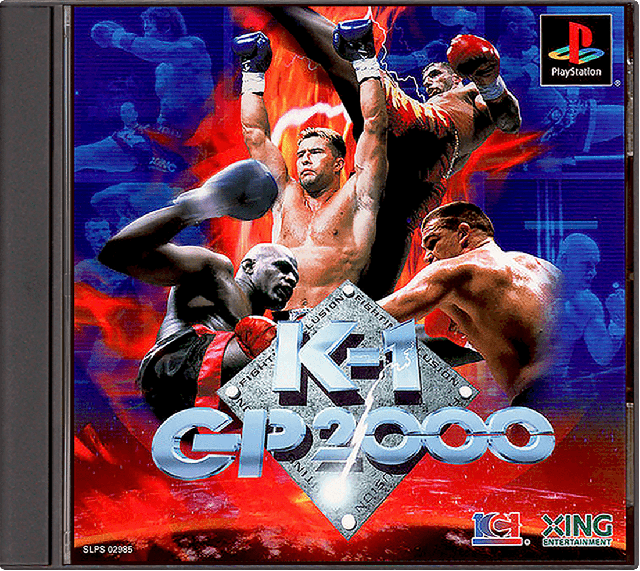
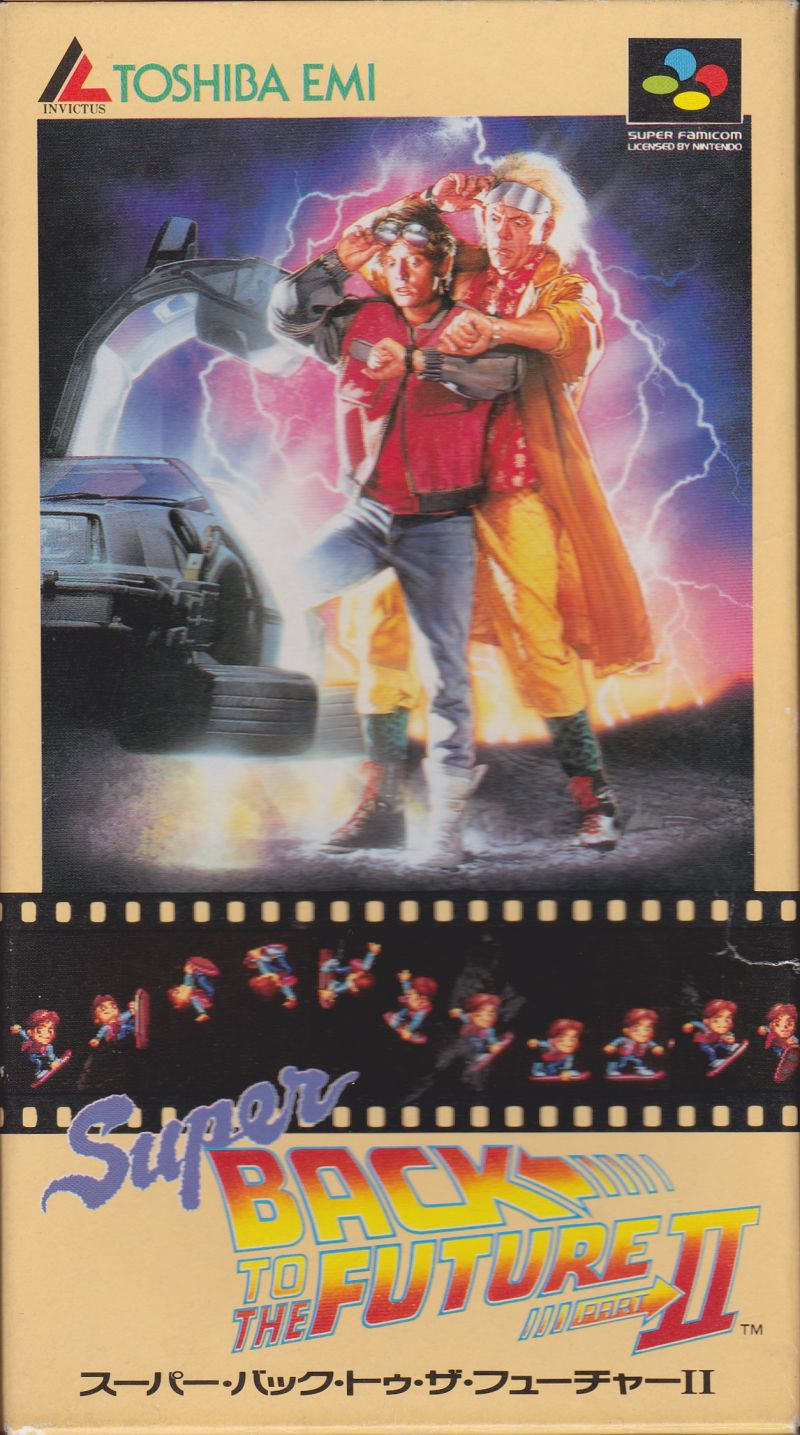
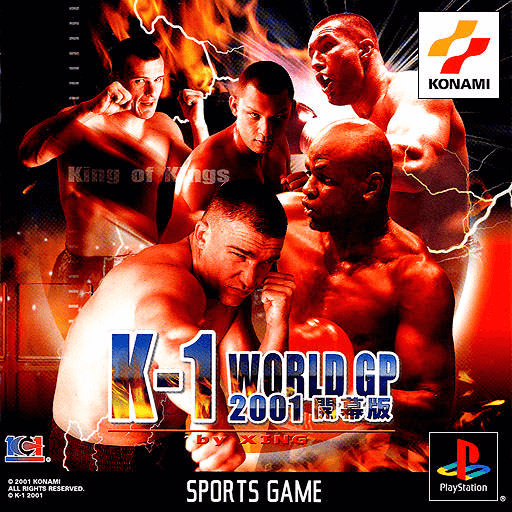
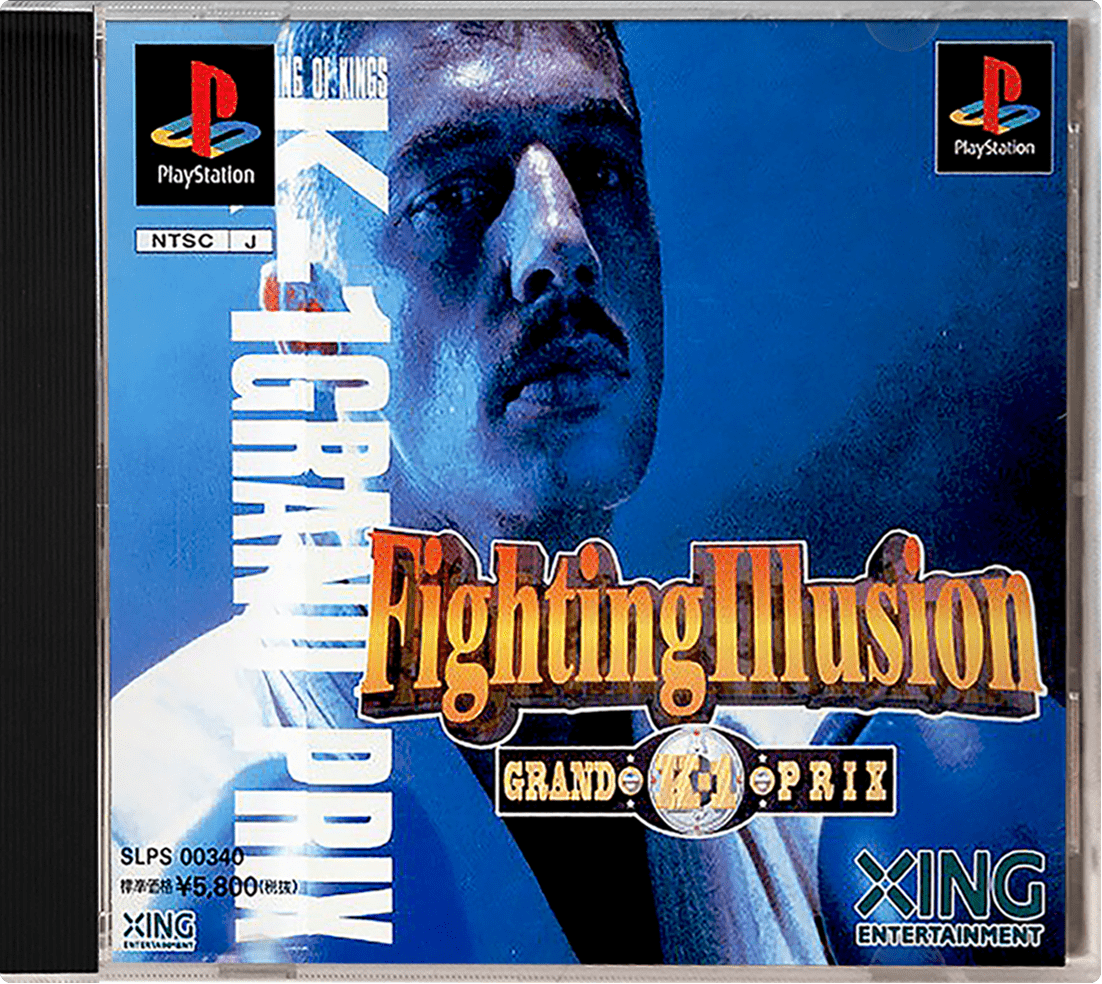
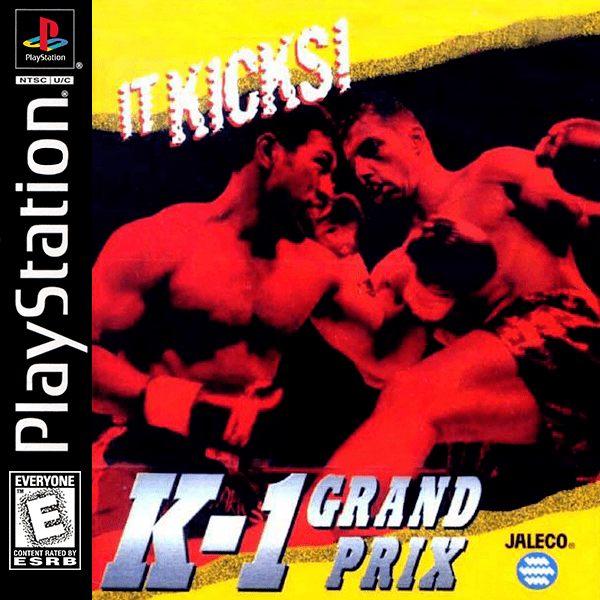
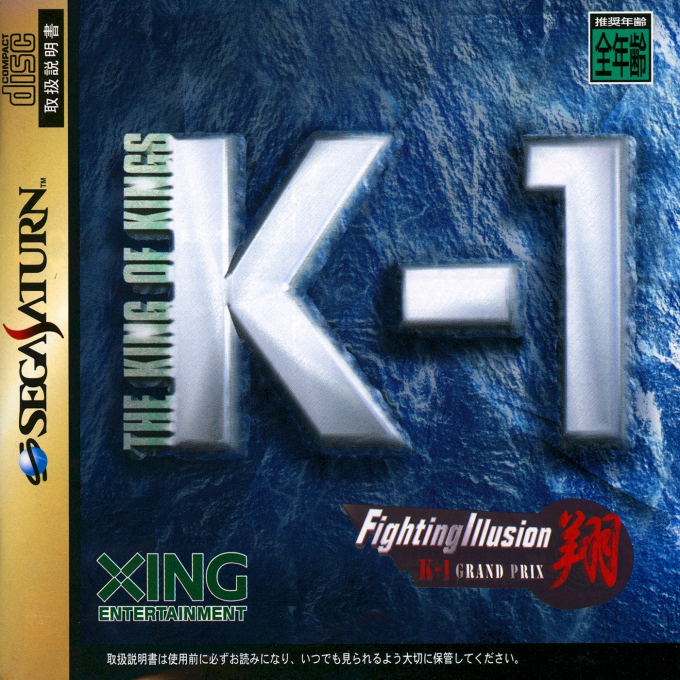
Daft developed several notable Super Famicom titles in the early 1990s, including Super Back to the Future II, Nangoku Shonen Papuwa-kun, and Hameln no Violin Hiki. They later transitioned to 3D fighting games on the PlayStation, creating Fighting Illusion K-1 Grand Prix and its sequels. The developer also contributed titles to D3 Publisher's Simple 2000 Series franchise.
During the 16-bit era, the developer specialized in side-scrolling action games adapted from popular media.
Super Back to the Future II utilized Mode 7 scrolling effects to simulate hoverboard movement, while
Nangoku Shonen Papuwa-kun and
Hameln no Violin Hiki translated popular Enix-published manga properties into platformers with unique companion-based puzzle mechanics.
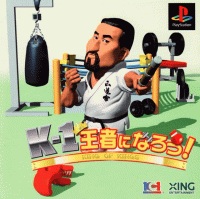
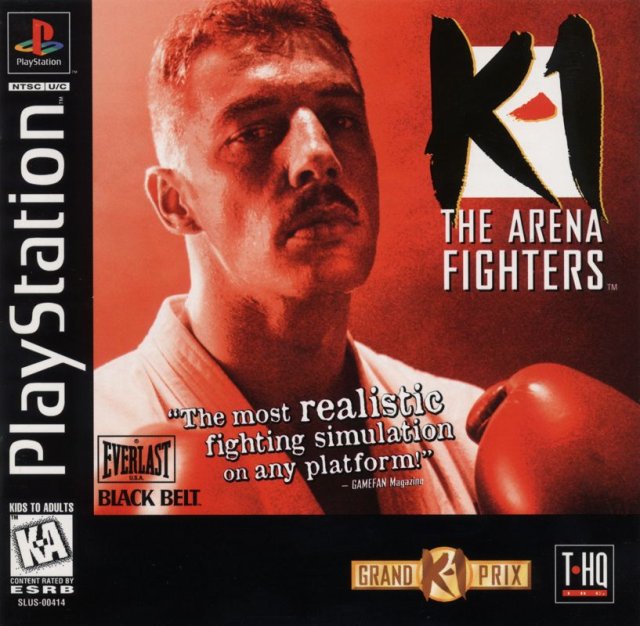
As the industry transitioned to 3D hardware, the studio leveraged its experience with combat mechanics to establish a niche in licensed martial arts simulations. Collaborating with publisher Xing Entertainment, they developed
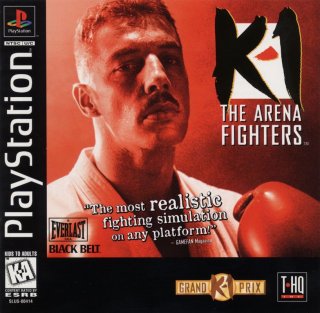
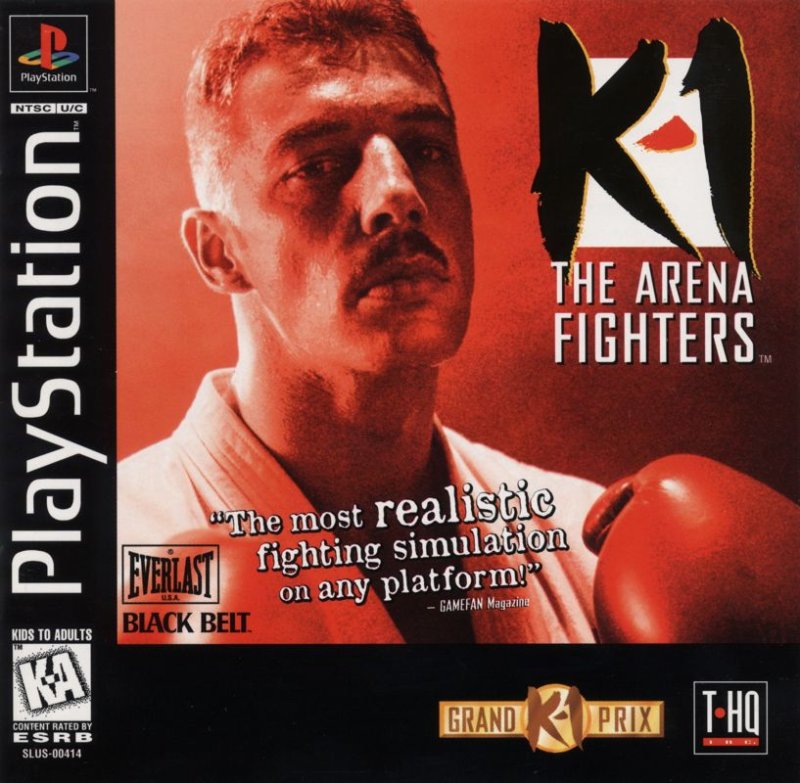
K-1 The Arena Fighters and
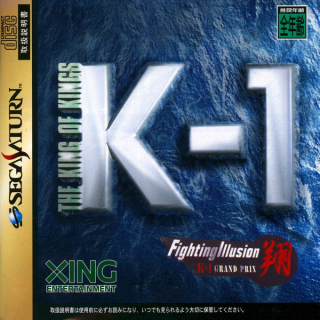
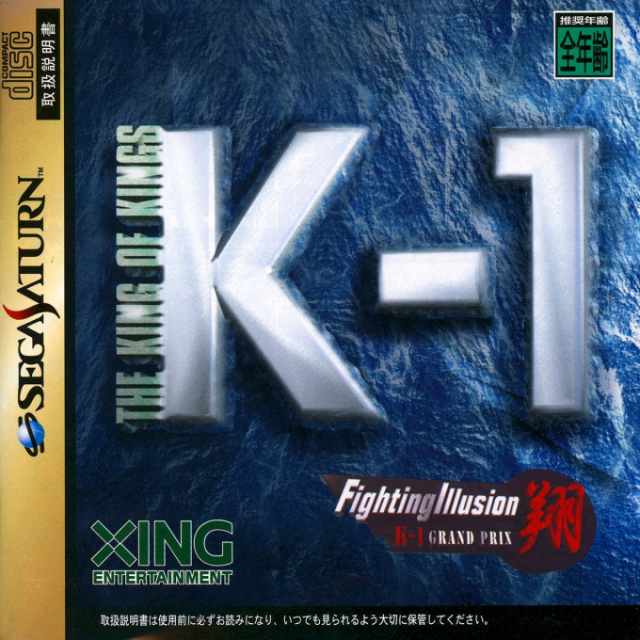
K-1 Fighting Illusion Shou, which aimed for realistic depictions of the K-1 kickboxing promotion. These titles featured motion-captured techniques and authentic fighter rosters. The engine and assets from
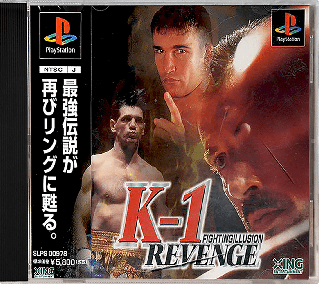
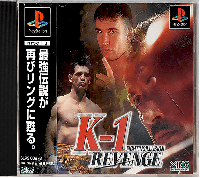
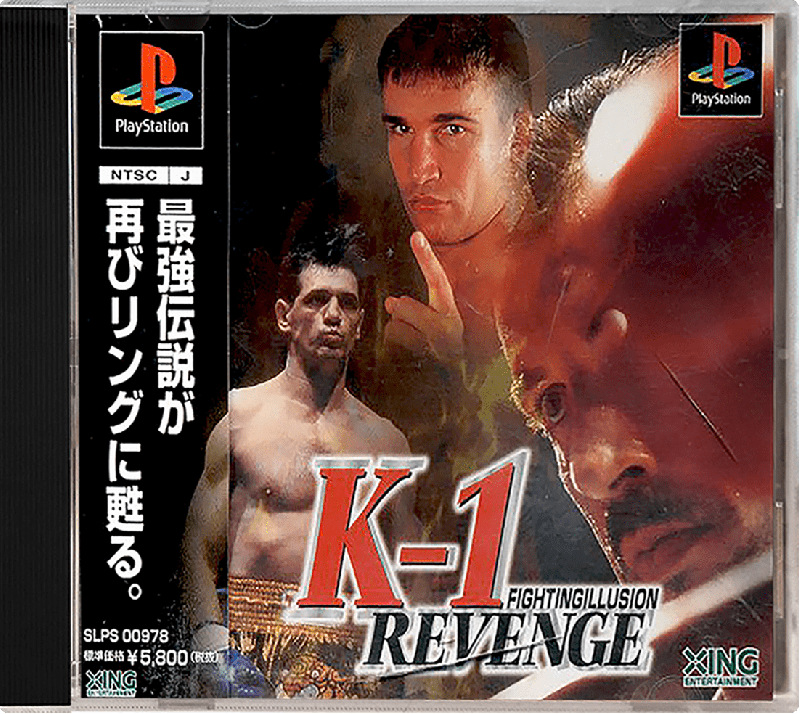
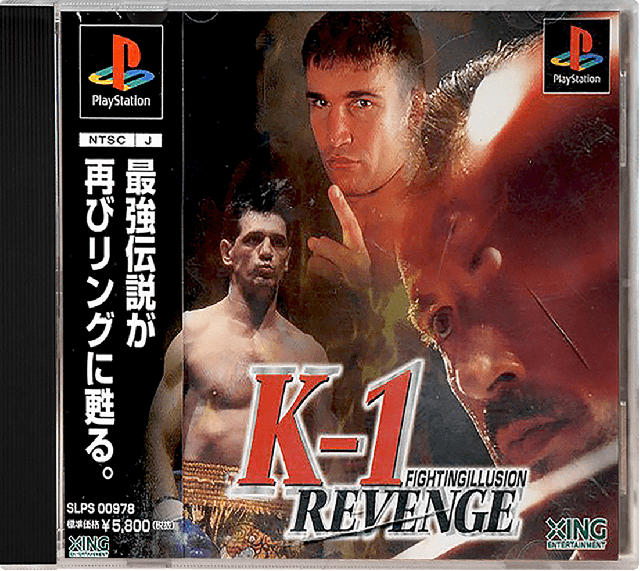
Fighting Illusion: K-1 Revenge later served as the foundation for budget-priced entries within D3 Publisher's Simple 2000 Series, allowing the developer's combat systems to reach a wider audience during the PlayStation 2 era. This evolution from licensed anime platformers to specialized sports simulators defined the company's operational history.