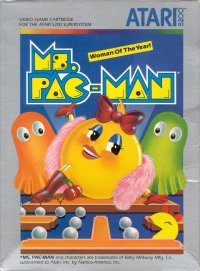
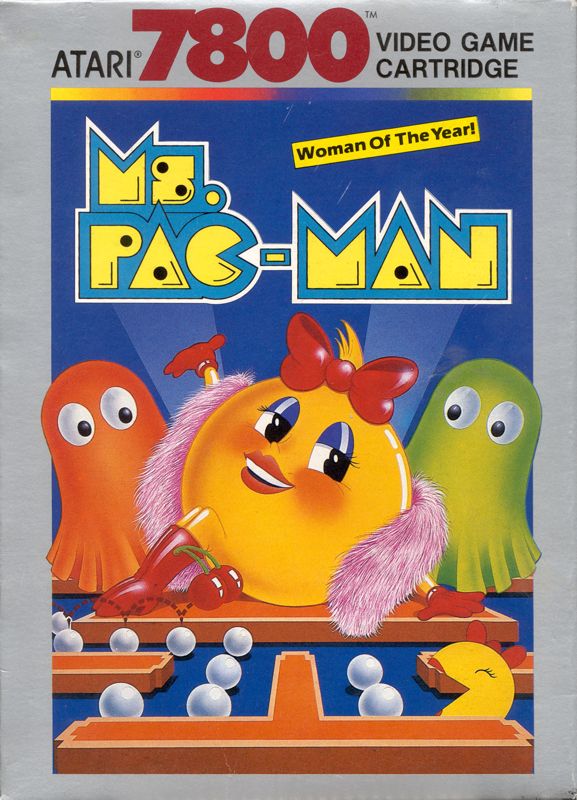
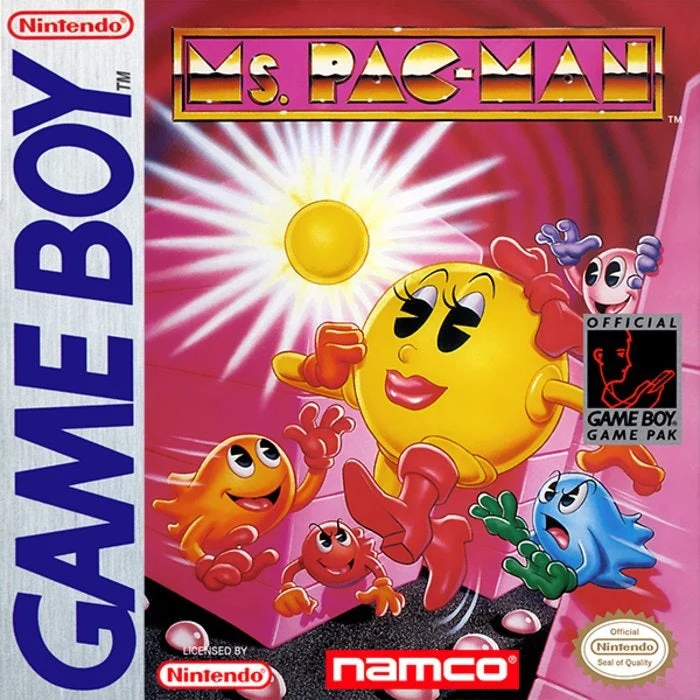
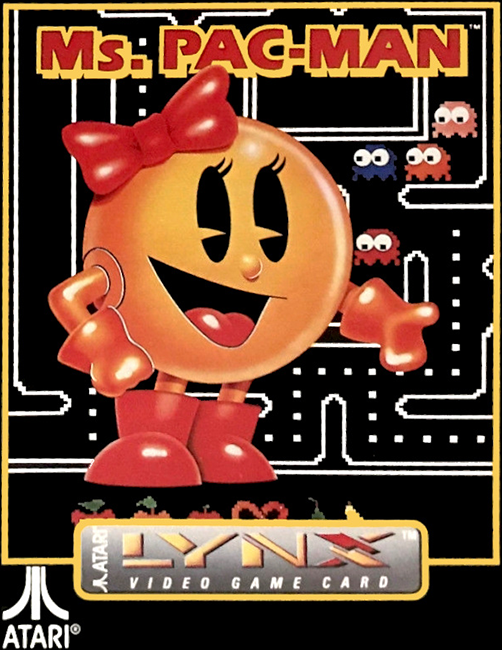
General Computer Corporation (GCC) originally developed the arcade hit Ms. Pac-Man, which began as an unauthorized enhancement kit for Pac-Man called Crazy Otto before being licensed by Midway. Following a legal settlement with Atari, GCC went on to develop numerous high-quality home console ports, including the Atari 2600 versions of Pac-Man and Ms. Pac-Man.
GCC's engineering expertise allowed them to adapt the complex mechanics of the
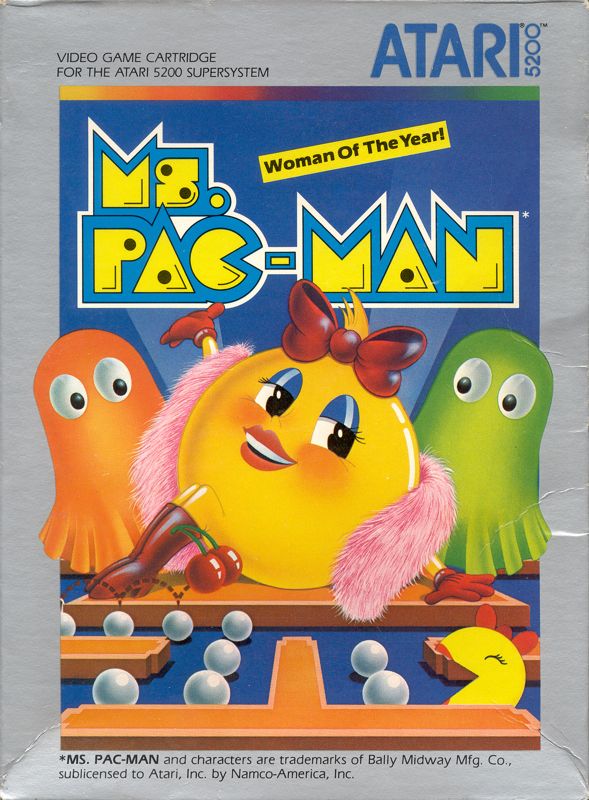
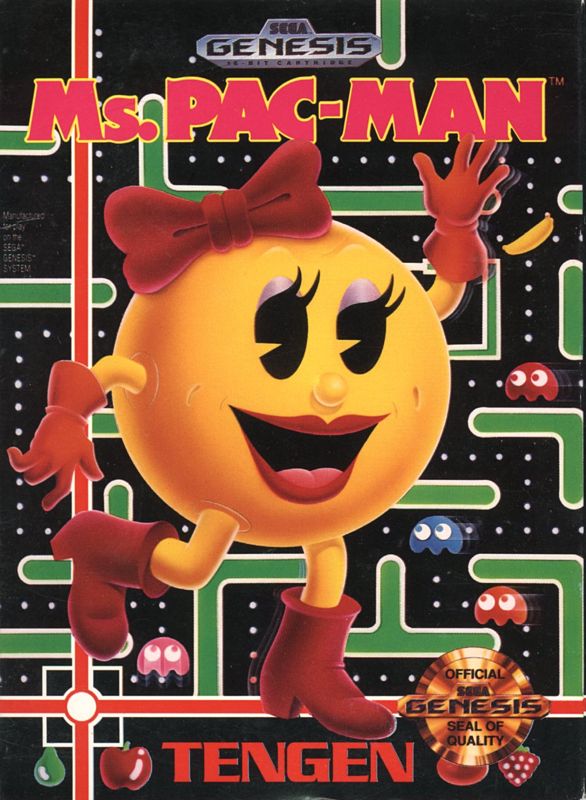
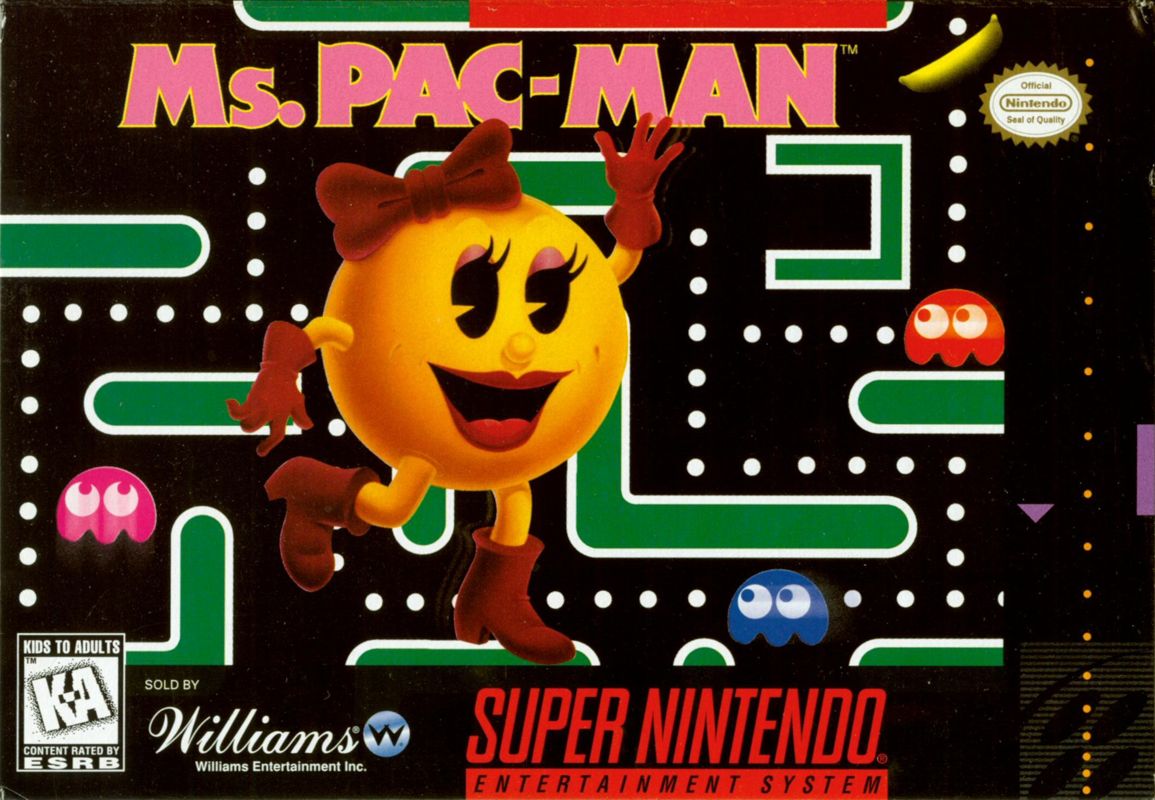
Ms. Pac-Man franchise into early home console hardware, resulting in numerous distinct editions and regional variations. The standard home version of
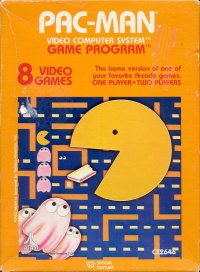
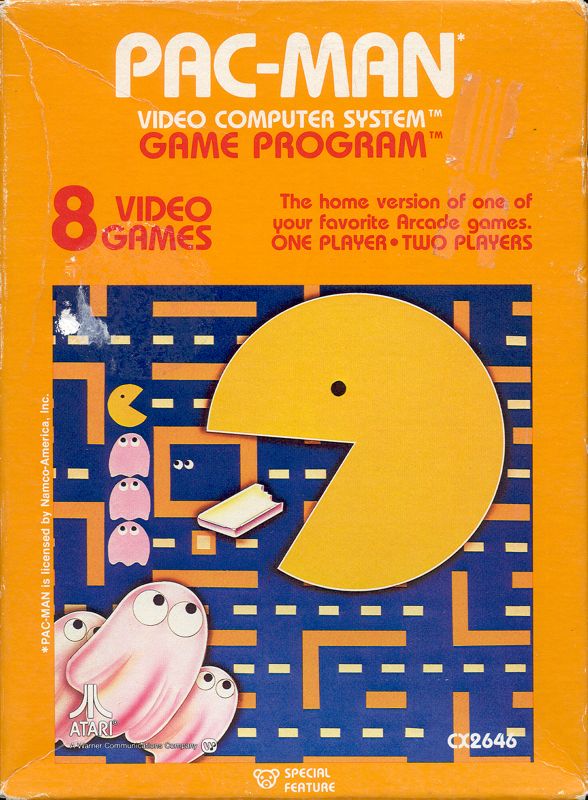
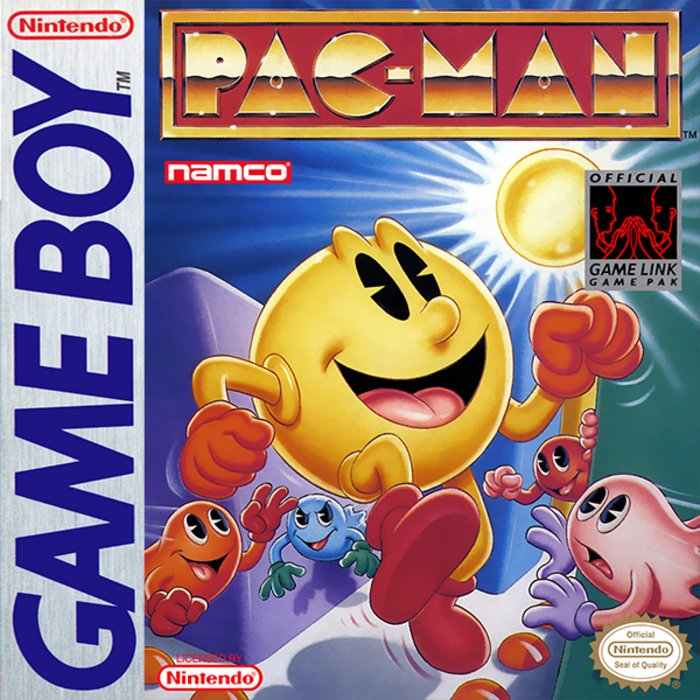
Pac-Man (1981) saw multiple packaging iterations, including
Pac-Man [1981 Cover] (1981) and
Pac-Man [1981 Release Cover Variant] (1981).
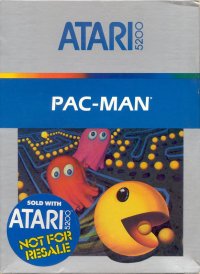
As the franchise expanded, GCC's work was distributed through various retail and promotional channels. This led to the production of rare demonstration cartridges, such as
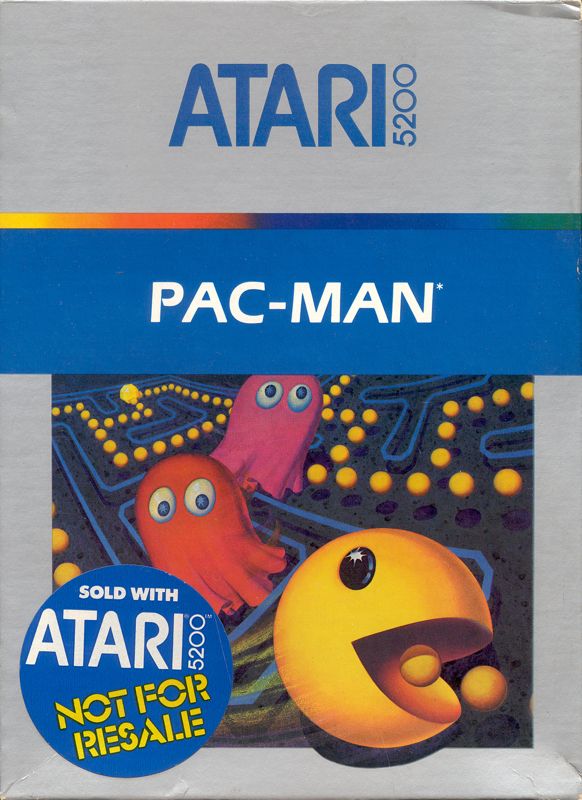
Pac-Man [Not for Resale] (1982) and
Pac-Man [Not For Resale] (1982), which were utilized for in-store displays. Additionally, the game was rebranded for department store distribution, appearing as
Pac-Man [Tele Games] (1978). Further refinements and cartridge printings continued with
Pac-Man (1982) and
Pac-Man (1983), cementing GCC's legacy in adapting the franchise for early home entertainment systems.
.png)










.png)