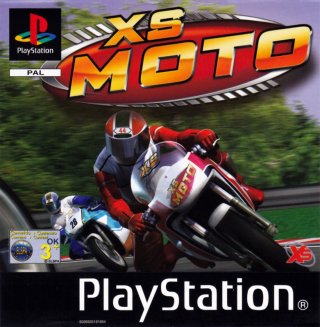
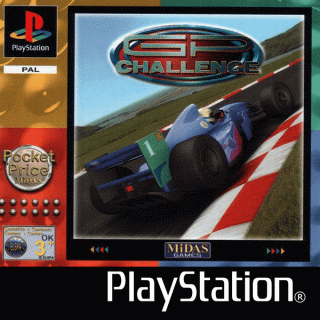
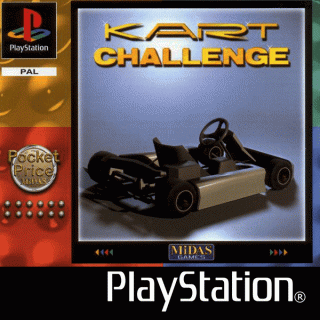
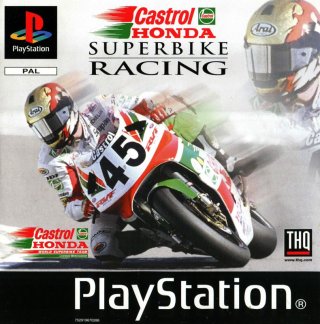
Interactive Entertainment Ltd. developed several licensed motorcycle and racing games, including Castrol Honda Superbike Racing and its promotional release in 1999. The studio continued its focus on racing simulations with titles like Kart Challenge, GP Challenge, and the budget motorcycle racing game XS Moto.
Operating primarily during the fifth and sixth console generations, the developer utilized specialized physics engines to simulate realistic handling on limited hardware. For
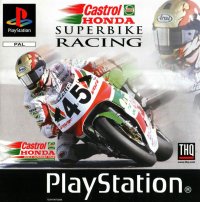
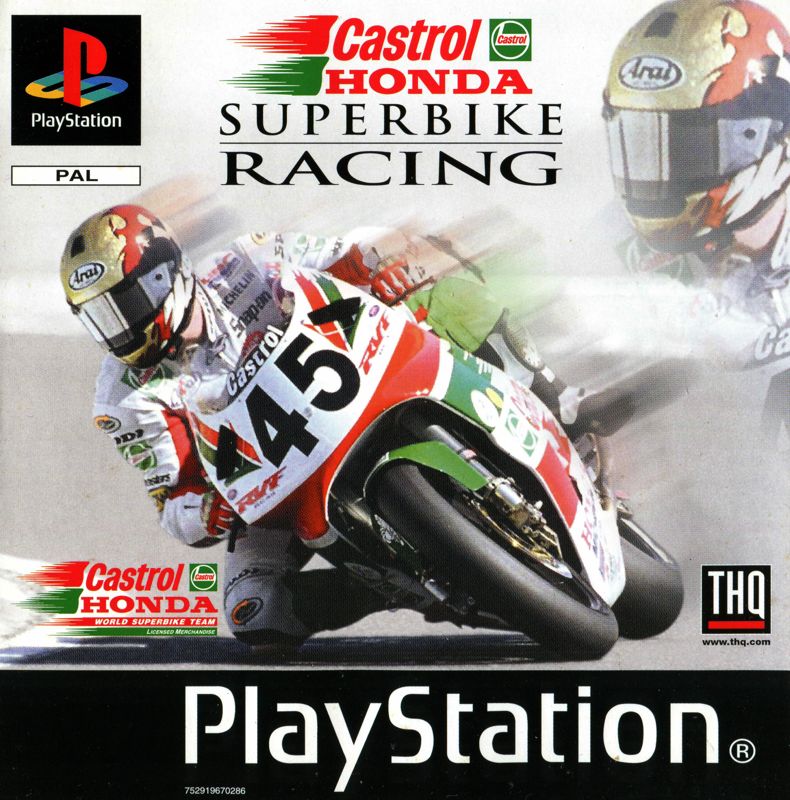
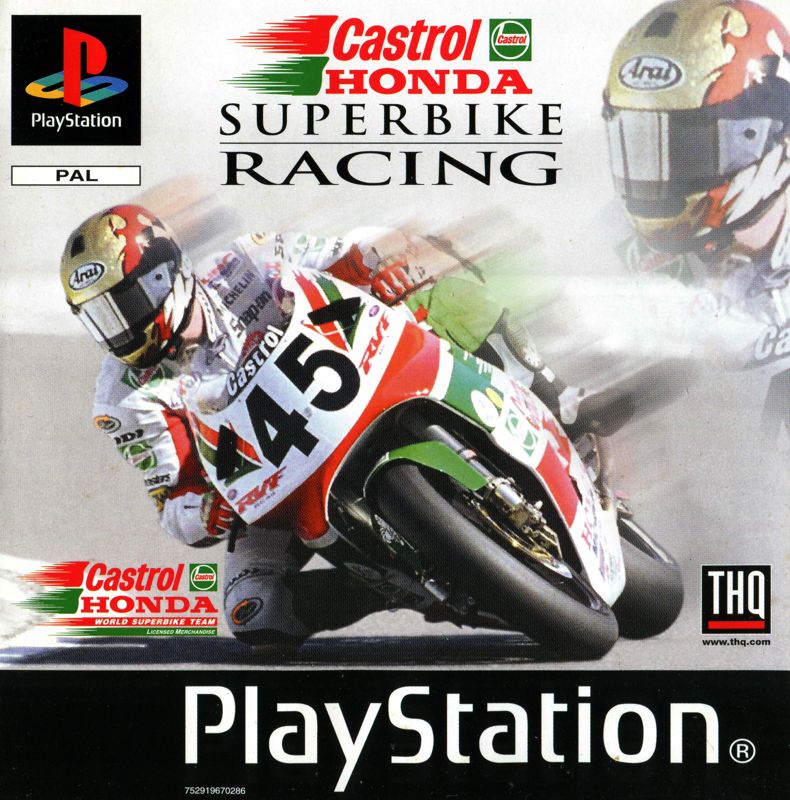
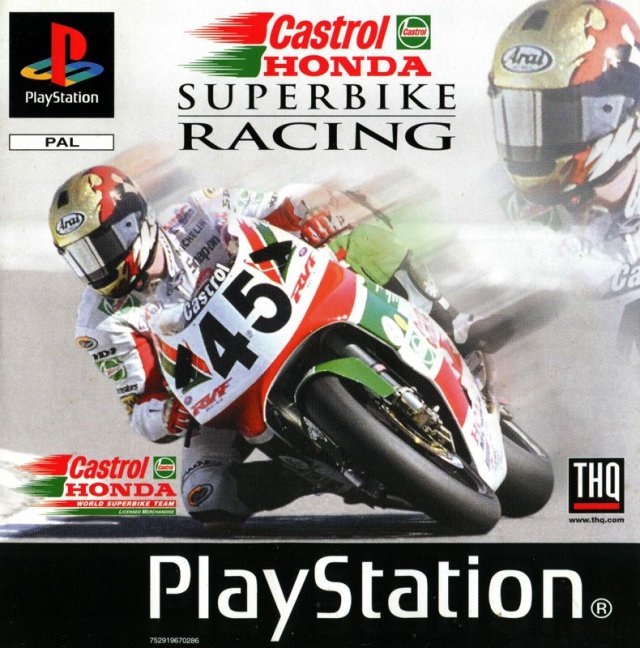
Castrol Honda Superbike Racing and its rare
Castrol Honda [Promo Not For Resale] counterpart, the team collaborated with the Castrol Honda racing team to replicate authentic telemetry and bike behaviors, featuring real-world tracks like Sugo and Assen. These releases established a foundation in motorcycle physics that the studio later adapted for other racing disciplines.
With
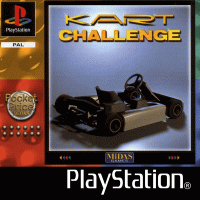
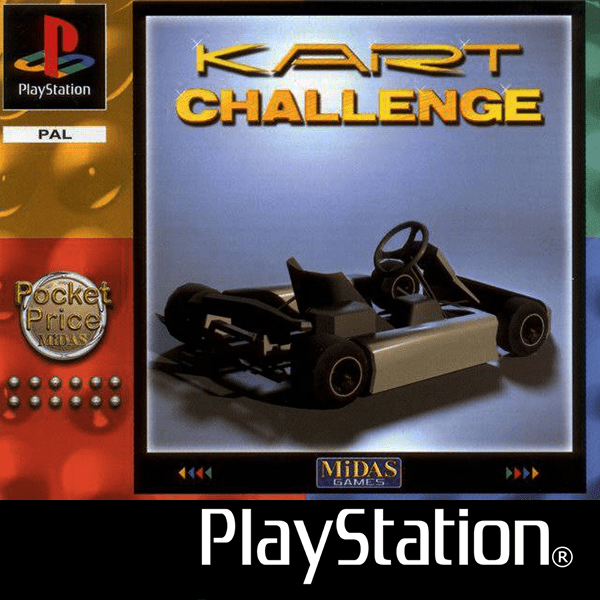
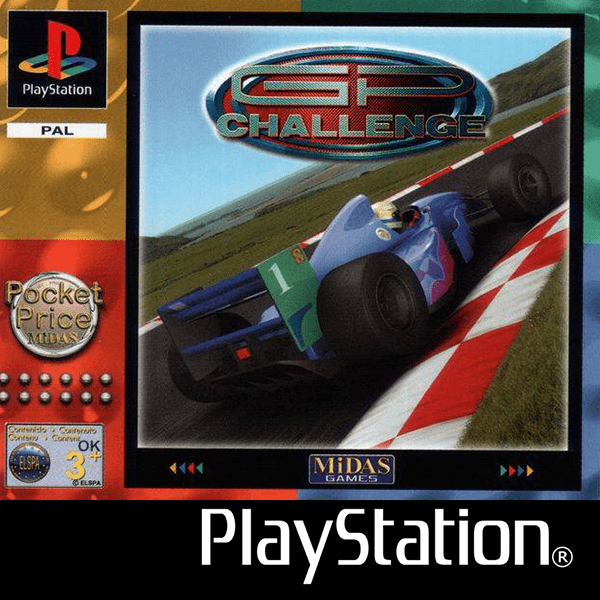
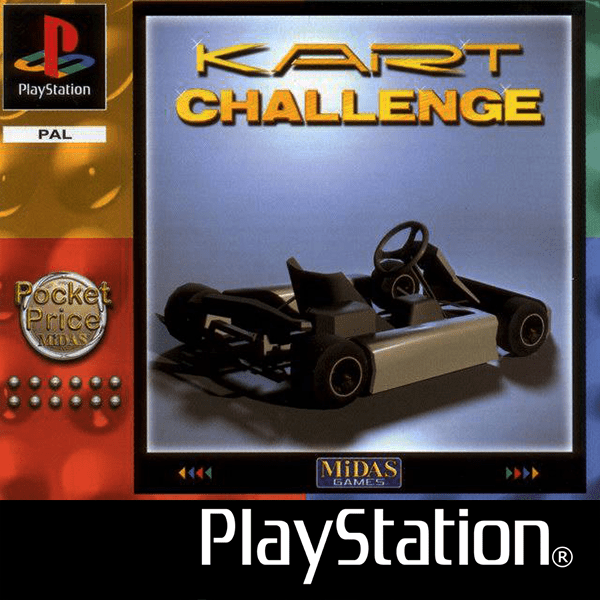
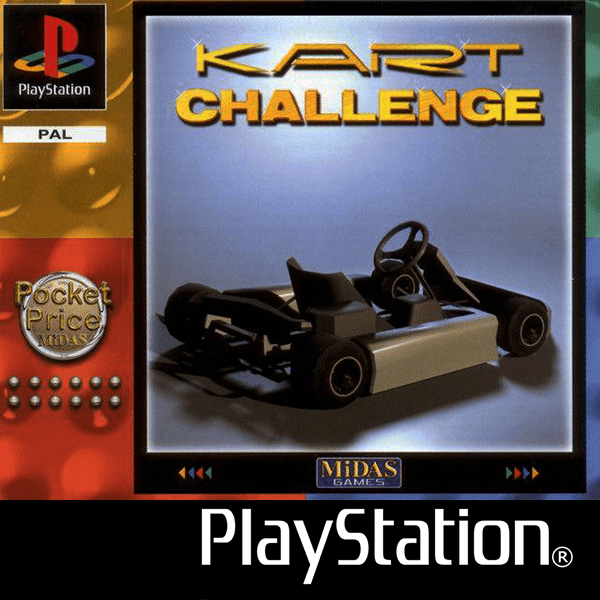
Kart Challenge and
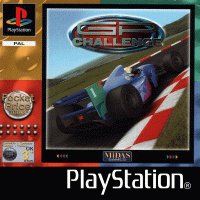
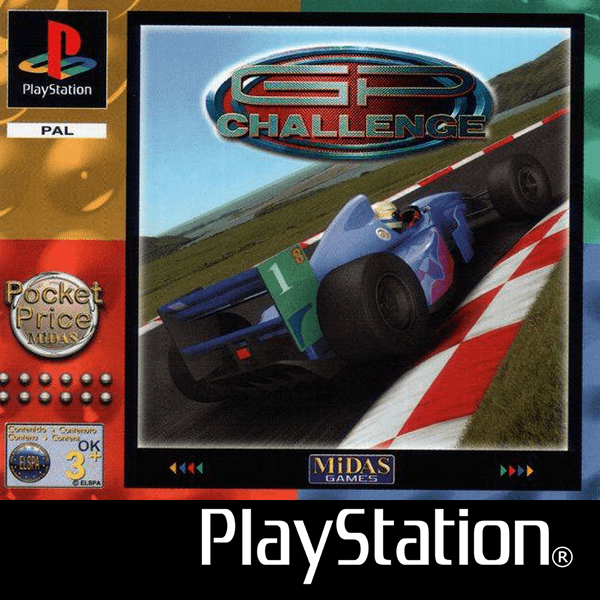
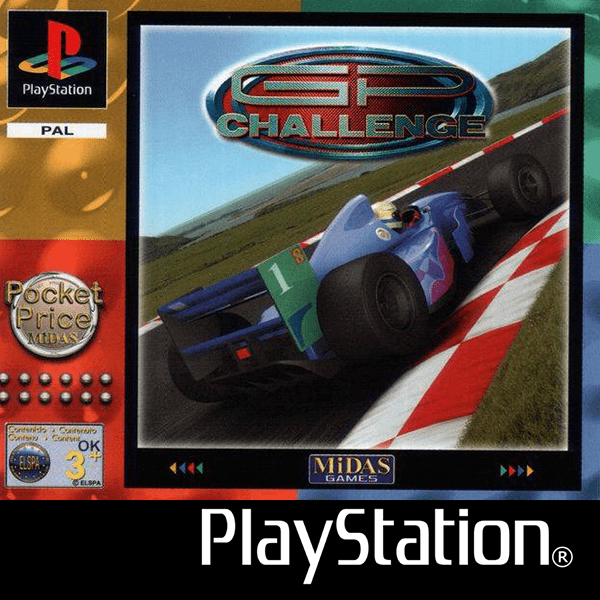
GP Challenge, the developer transitioned toward accessible open-wheel and kart racing mechanics, targeting the budget software market on PC and PlayStation. The engine developed for these titles prioritized high frame rates and responsive controls over complex simulation. This technical framework culminated in
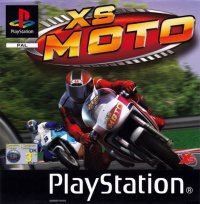
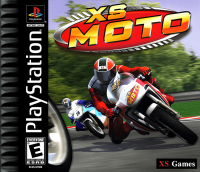
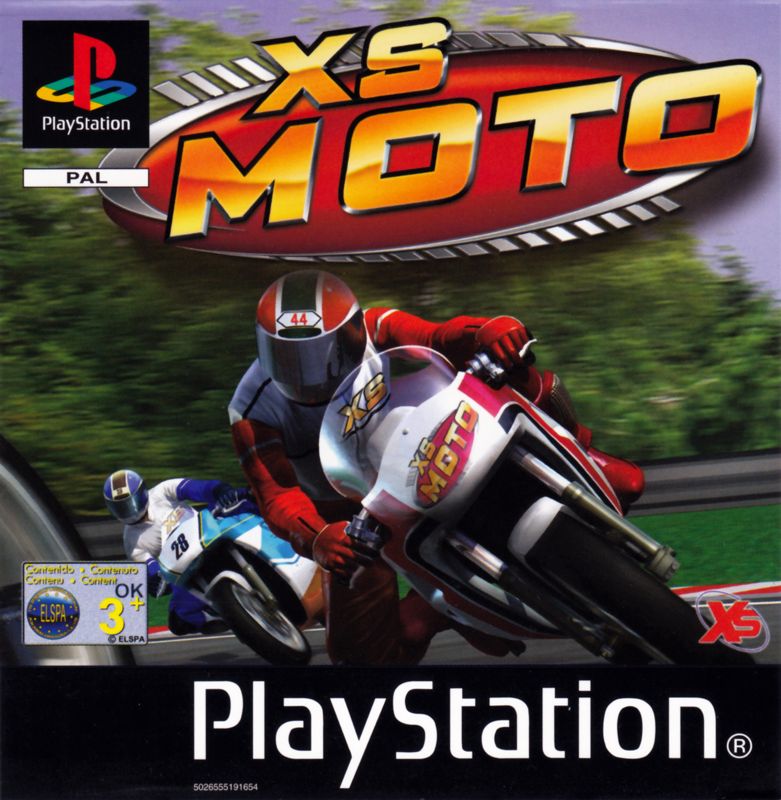
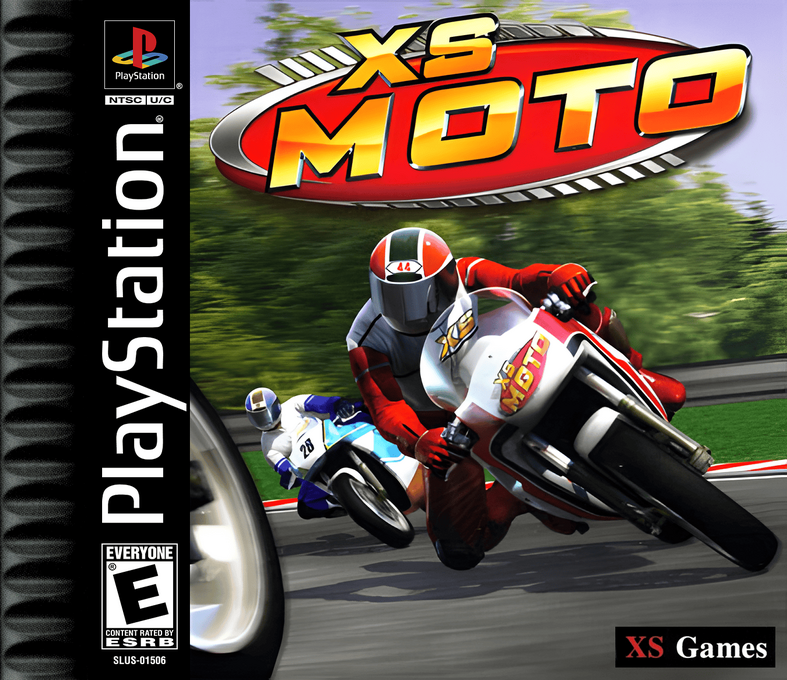
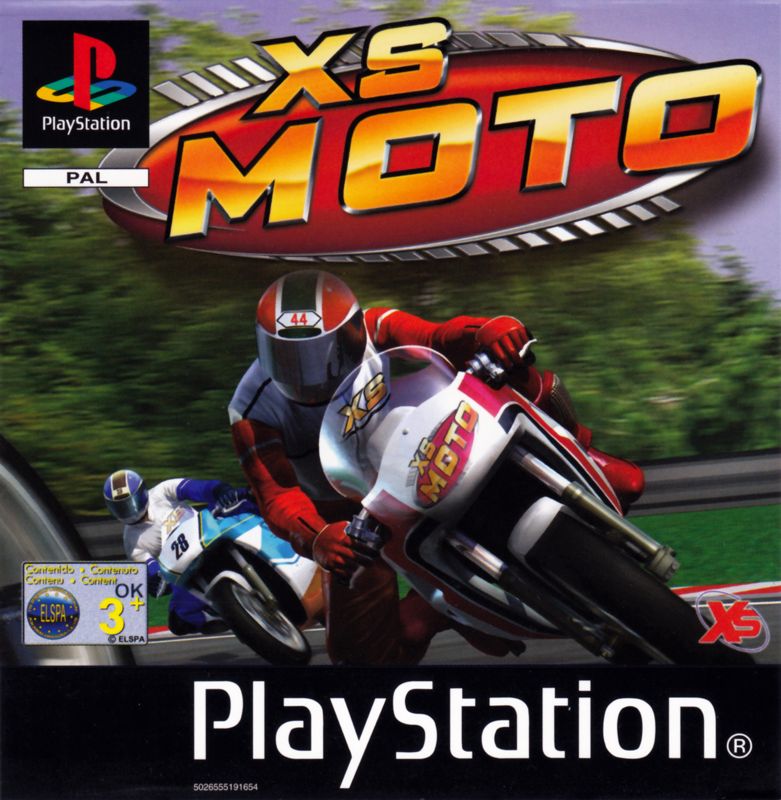
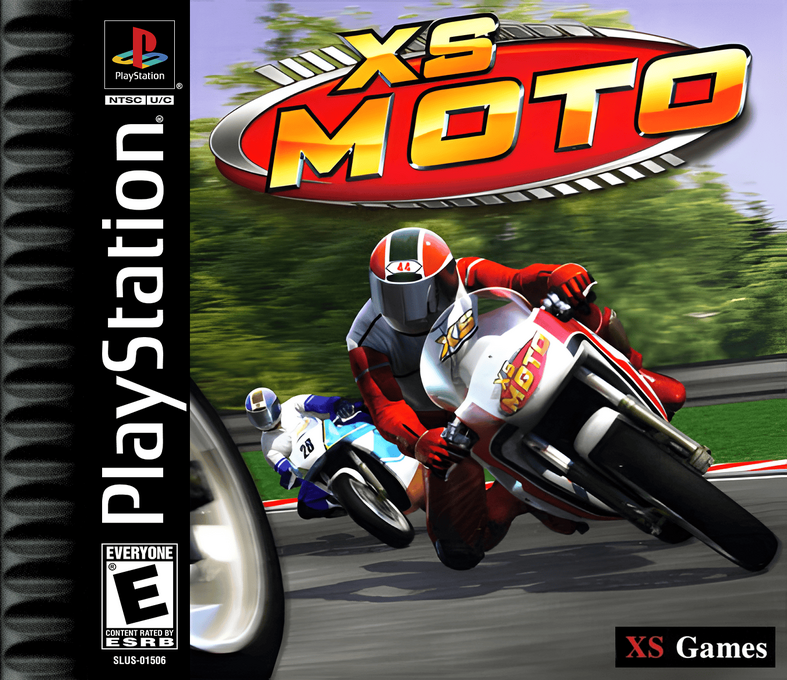
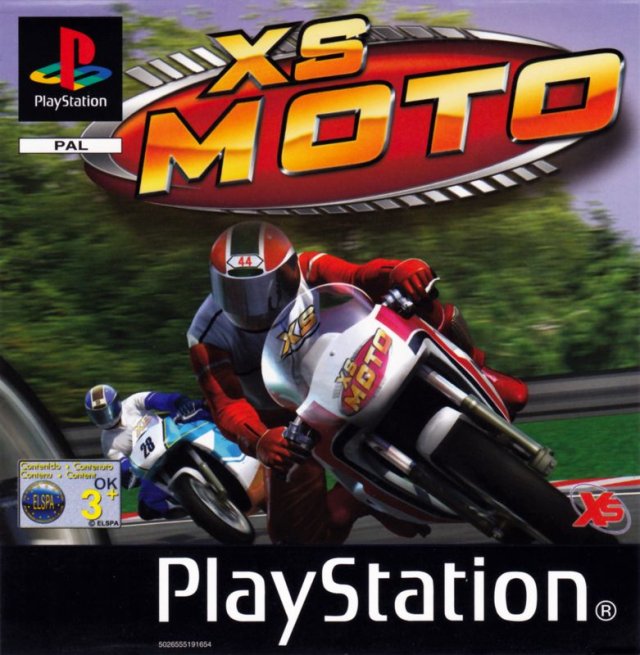
XS Moto (2003) and its subsequent
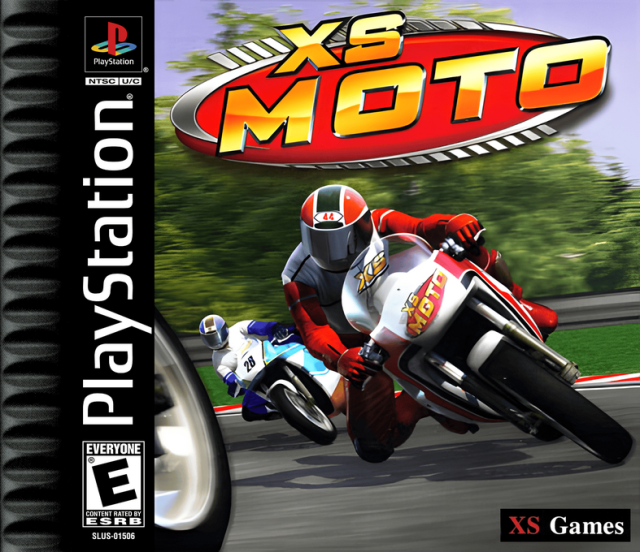
XS Moto (2004) port, which brought portable motorcycle racing to the Game Boy Advance. Published by XS Games, these final releases offered multiple engine classes and weather conditions, representing the studio's efforts to maximize the performance of handheld and late-lifecycle 32-bit hardware.